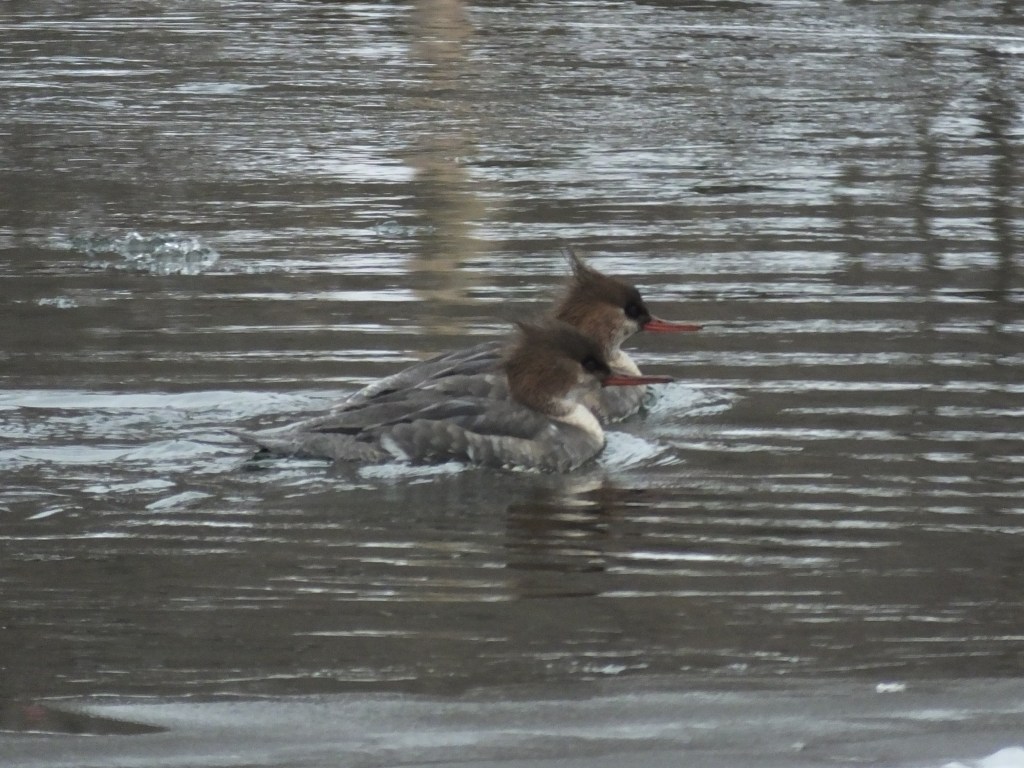
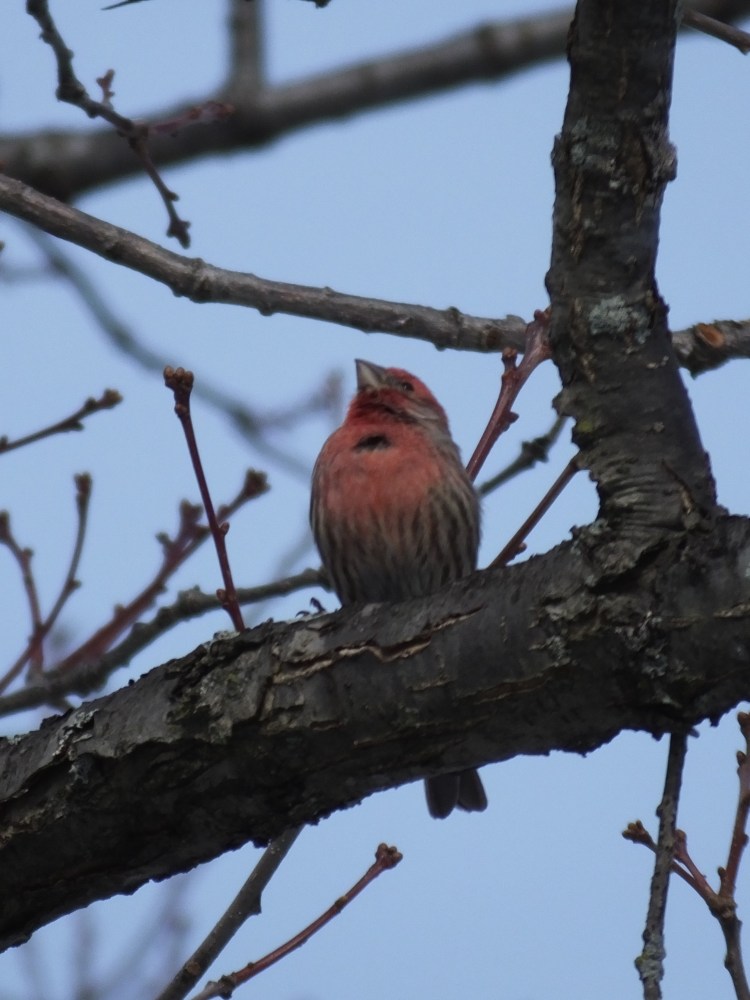
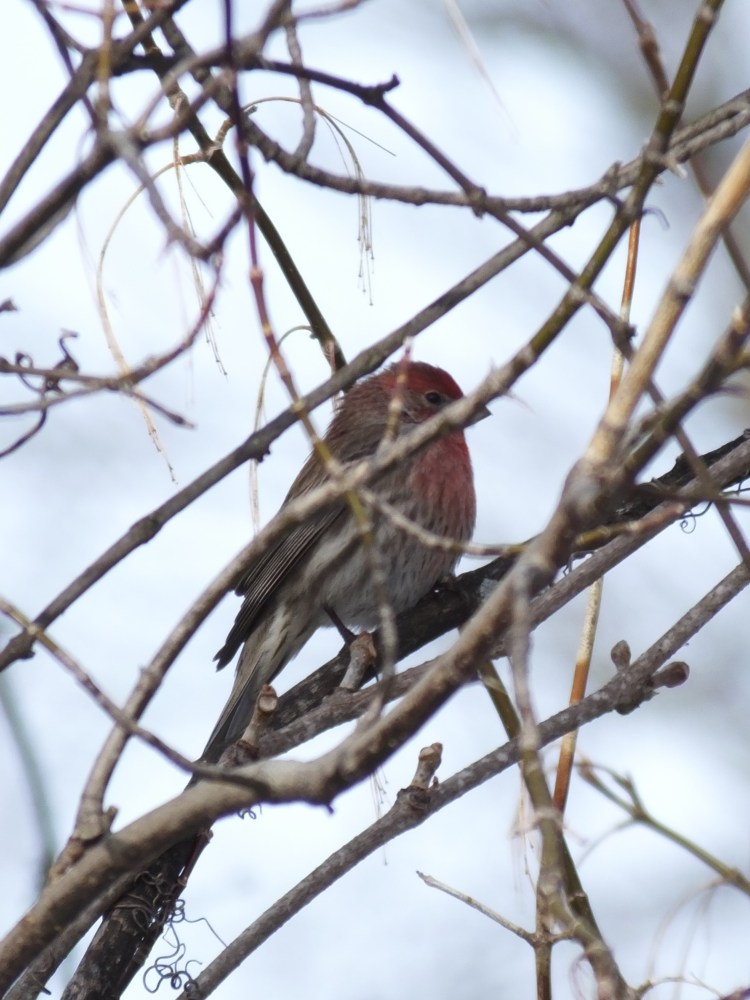
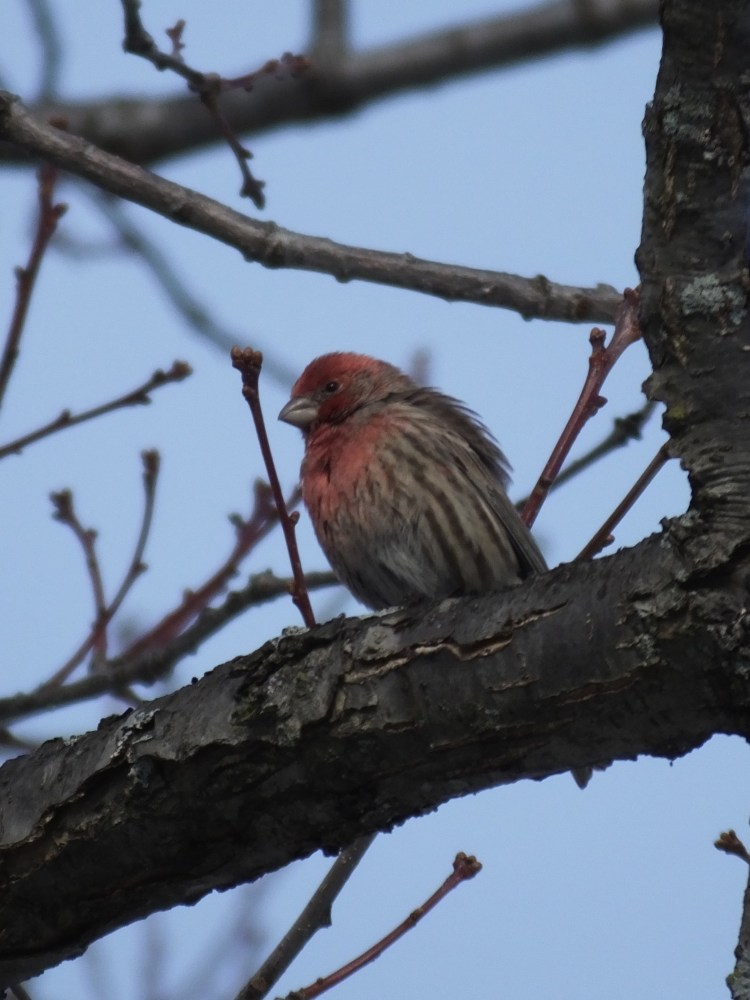
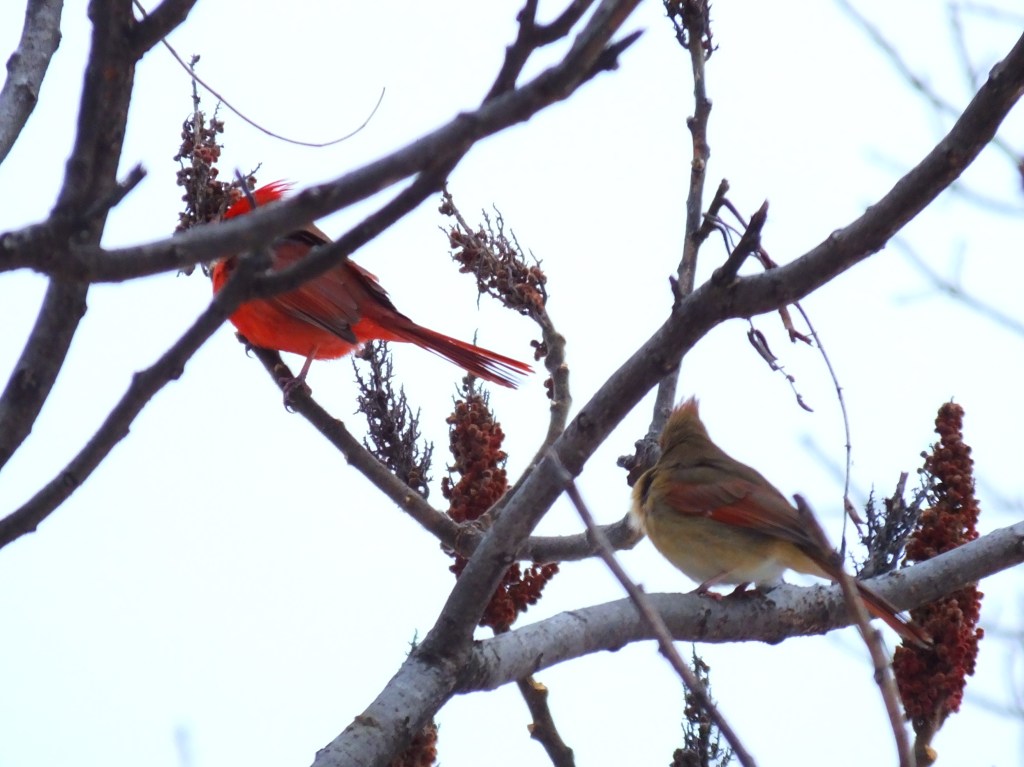
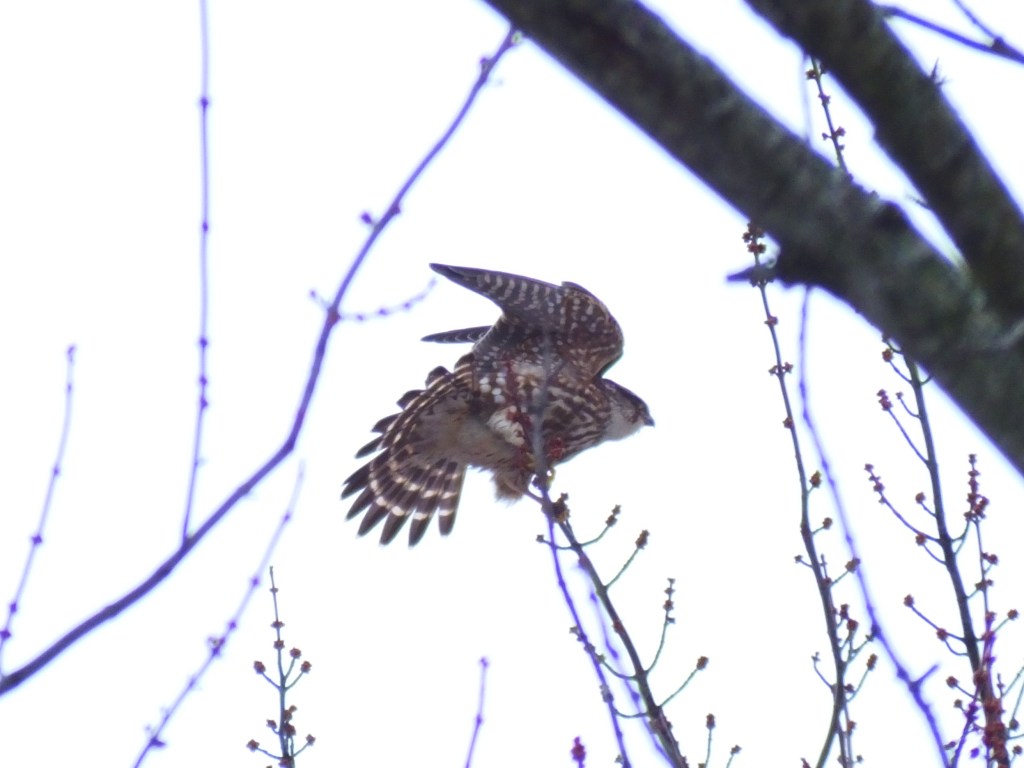
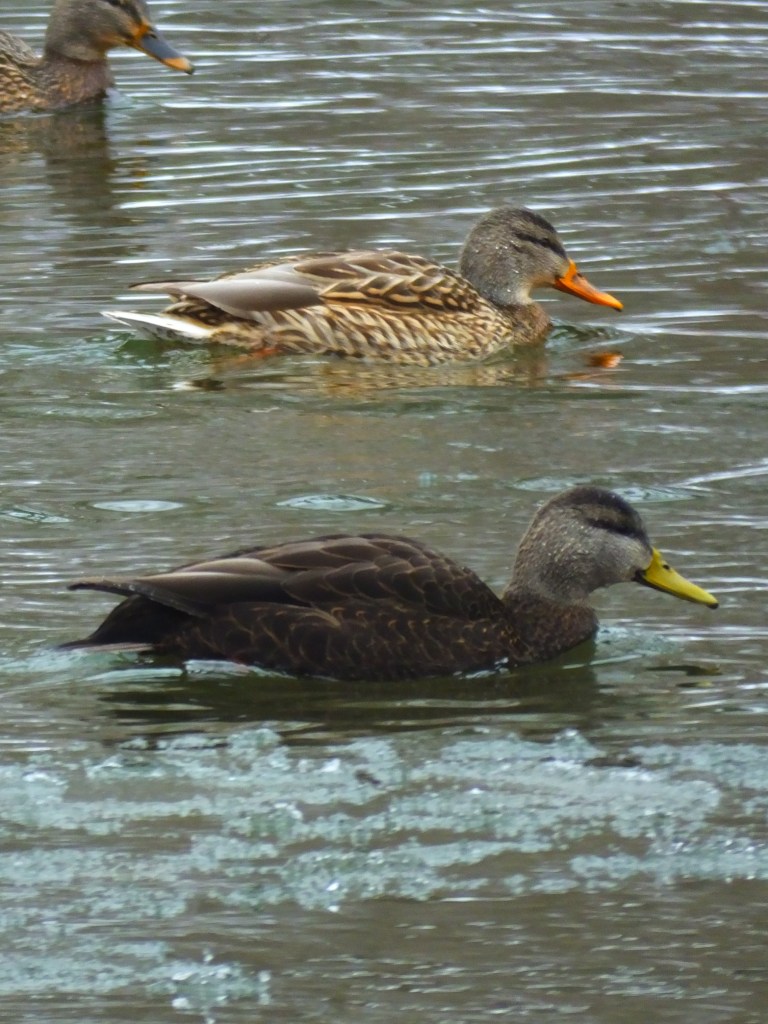
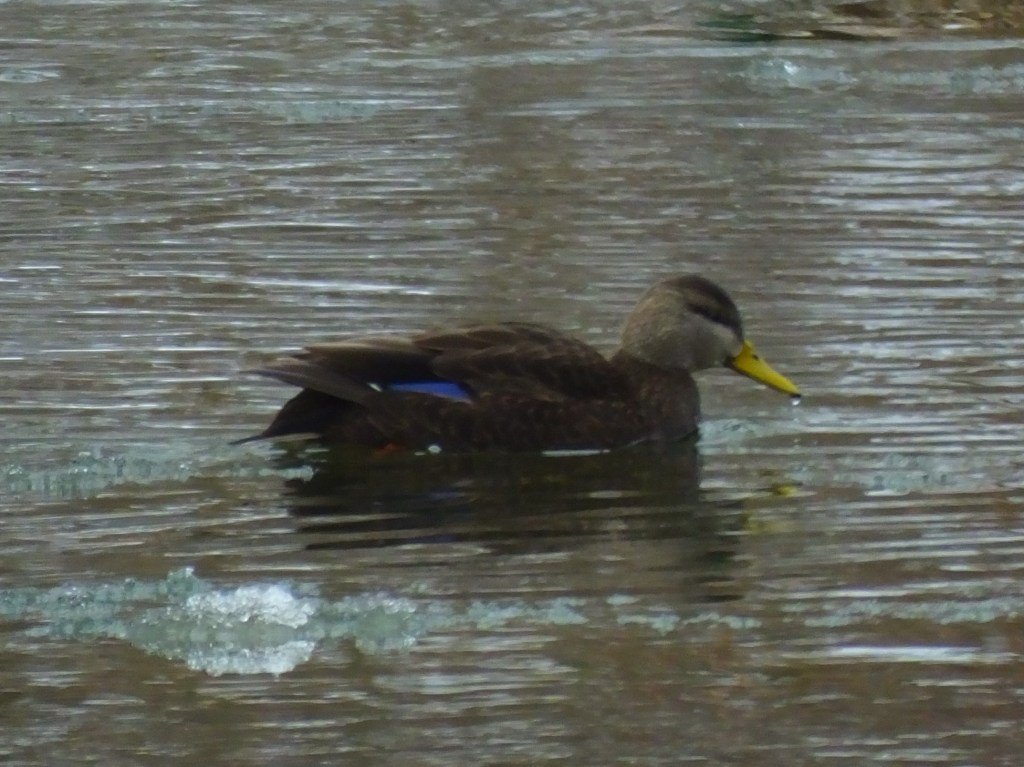
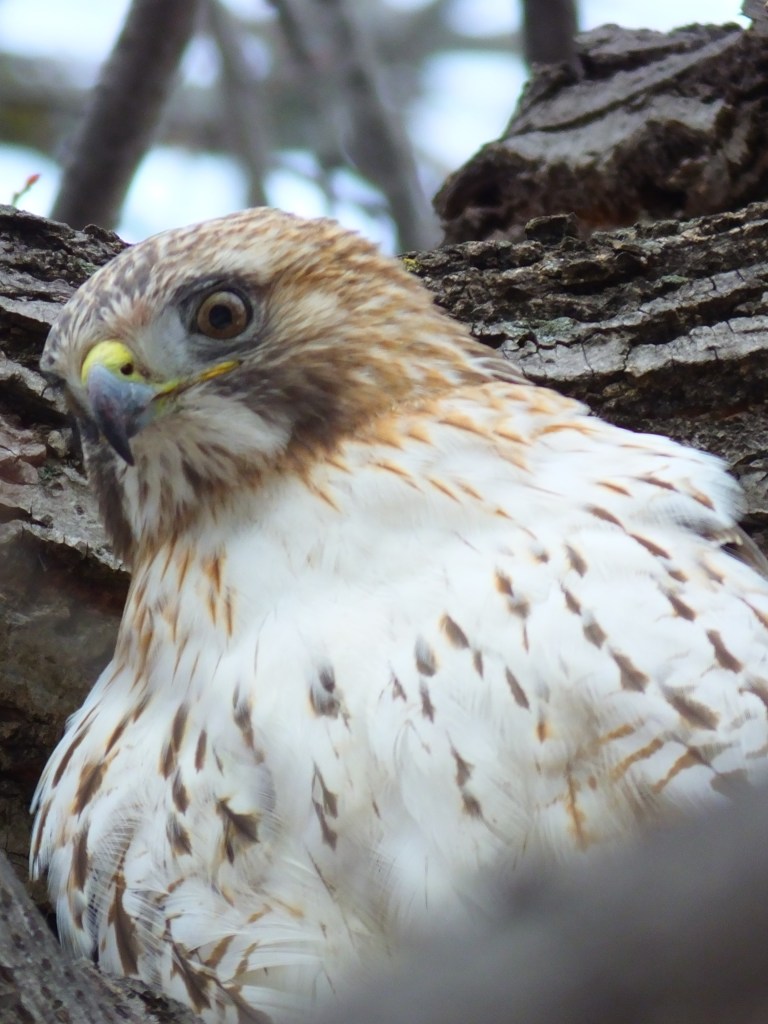
Lots of visitors this morning…

Thanks to eagle-eye Anne, this morning I finally got that baby bunny picture I’ve been after since first spotting them in May. This little cutie, barely bigger than my coffee mug, is probably from a new batch. They grow up so quickly.

Meanwhile, have you ever had that experience when you just get yourself all spread out on a nice leaf and then every spider and his brother has to come crawling all over you? Well this pale beauty, and yes, that’s its real name, (Campaea perlata) knows exactly how you felt.

Arachnids are not the only visitors these days. Below, from left to right, we’ve got a Gold-backed Snipe Fly (Chrysopilus thoracicus) on white campion (Silene latifolia subsp. alba), a damselfly of some type on American white water-lilies (Nymphaea odorata), and a pair of tiny hoverflies on field bindweed (Convolvulus arvensis).

Plus, a couple of butterflies. What might be a mustard white (Pieris napi) or a West Virginia white (Pieris virginiensis) “nectoring” on bee balm aka wild bergamot (Monarda fistulosa) at the  Benjamin Church House, and a red-spotted purple (Limenitis arthemis) on the trail down by the river not letting me get any closer.

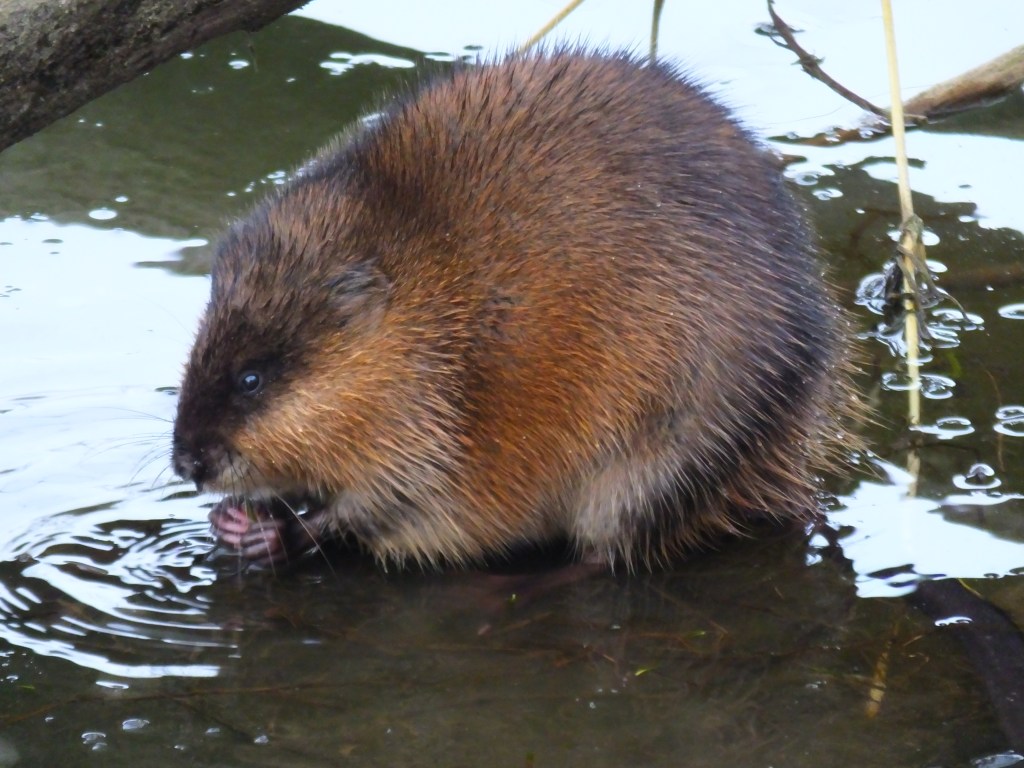
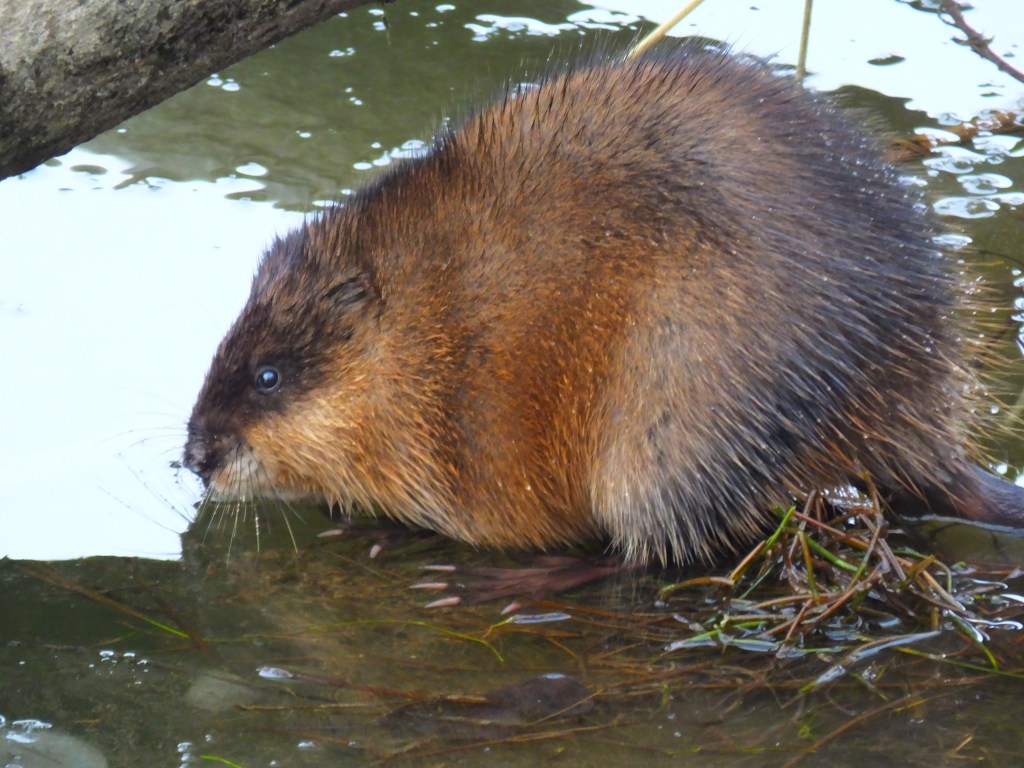
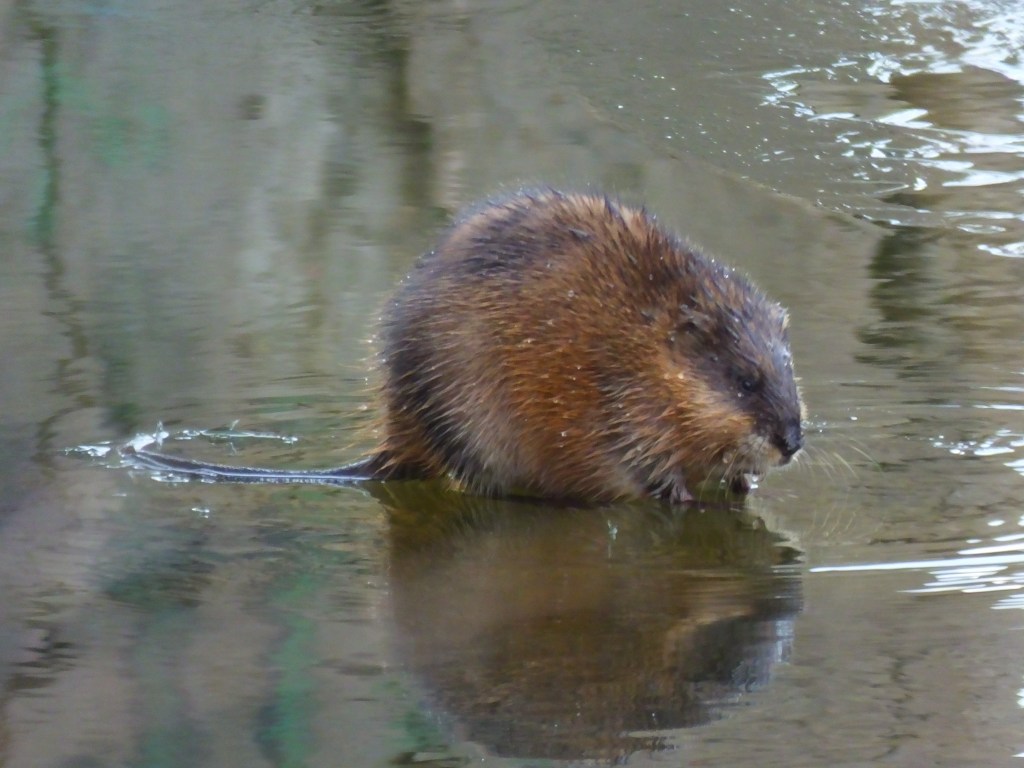
Finally, I spotted the muskrat again, who we haven’t seen in a while, right on the tiny path worn in the grass between the parkway and the south end of the pond. I didn’t manage to get a picture, but I’m as glad as you are to know he’s still around.

Everyone’s out for a morning stroll

Man, this string of beautiful mornings is really something, eh? Even the critters seem to be feeling it, and here are two out making the most of it.
The turtle was at the disc golf first tee, and the toad was in line at the beer garden. I let the turtle play on and told the toad that the beer garden hasn’t open yet and suggested that he’d be better off waiting in the woods until it does.

Also out were a young rabbit and a young deer.

As sometimes happens with these bouts of fair weather, yesterday afternoon wasn’t too shabby either, and here are some bugs making hay, or rolling in it, as the case may be, while the sun was shining.

Finally, something new. The American white water-lilies (Nymphaea odorata) are open on the river and looking resplendent. Mwah!

Ladies and gentlemen…the Beetles!

Well, one beetle, at least. You’ve got to know by now that I’ve been dying to use that headline for days, and today’s the day I just couldn’t wait anymore. If any of you are gardeners, you know darn well that if there’s one beetle, there are sure to be more, right?

I found this handsome character on some milkweed as I was checking on the monarch caterpillars we first saw yesterday. It looks just like a ladybug, such as Coccinella septempunctata, but the antennae are too long, and it’s body is more oblong than round.

Instead, it looks closer in appearance to the handsome fungus beetle (Endomychus biguttatus) except that all the images I can find of them always have just four black spots, not the cool, hieroglyphic-looking pattern our hero is sporting. Man, if you haven’t already found a rabbit hole in the interwebs and are looking for a good one, try identifying some random beetle you found in the park. If you happen to know what it is, or have some time to blow searching, please let us know!

Meanwhile, I found another empty eggshell yesterday, and isn’t it a beauty?

It was on the mudflats right by the river, in a well-traveled area, so I’m pretty sure it didn’t hatch right there. Instead, it appears to be a killdeer egg, I’ve seen them along the edge of the parking lot across the river, and they are reported to carry their empty eggshells away, for security reasons. Clever birds, eh?
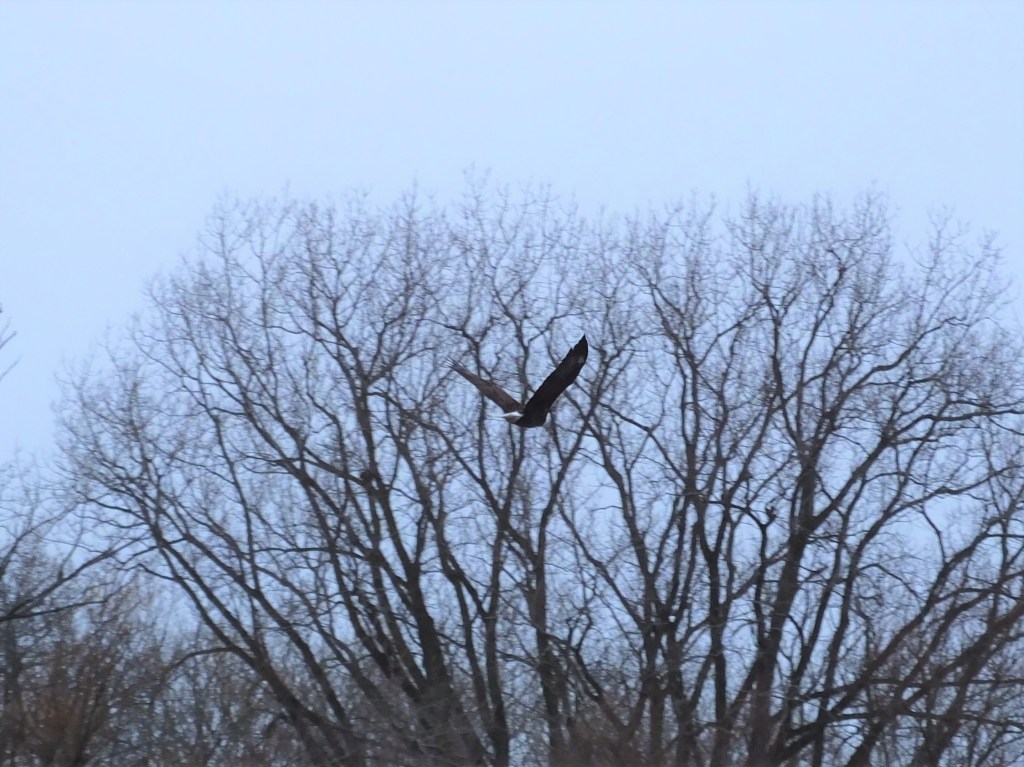
Finally, I spotted a different type of bird over the park this morning…

That’s a Sikorsky S-64 Skycrane, and yeah, I know it’s not very natural, but how often do you get to see a helicopter capable of carrying a 20,000-lb load? That’s 6.5 Prii! Based on its N-number, N6979R, it was built in 1968 and has a shiny new paint job. It’s task this morning was to replace one of the antennae on top of the WVTV tower across the river. I learned this from the friendly and talkative employee assigned to keep pedestrians out from under the flight path.

Heirs apparent!

Thank goodness their mom was able to find some native milkweed after such a long flight, eh? I hear the non-native milkweeds are actually bad for the monarchs. Thus, the less-than-fastidious lawn mowing in the park this summer is serving a greater purpose, it seems.
Meanwhile, the yellow salsify (Tragopogon dubius) has opened just outside the maintenance yard, and the lance-leaved tickseed (Coreopsis lanceolata) is feeding some tiny pollinator on the steep slope from the beer garden down to the river.

My favorite new pollinator, though, is this pure golden-green sweat bee (Augochlora pura) on the meadow garlic (Allium canadense) we first saw on Sunday near the base of one of the stairs down to the river. And, no, that’s not the typo I thought it was. They’re really called sweat bees, not sweet bees, as I had originally thought, because “they are often attracted to perspiration.” Luckily, “they are only likely to sting if disturbed,” and “the sting is minor.” Amazing color, though, eh?
Finally, here is a firefly without a flash (Pyropyga nigricans), as far as I can tell, near the base of another one of the stairs down to the river.

Well, that’s it for today, campers. Make sure you enjoy the fine weather out there, with appropriate precautions, of course, before it gets too steamy.

Smoke on the water…

The bright sun on warm days and a clear, cool night made for a nice mist rising off the pond this morning.

It would be a great morning for swimming lessons, if any of you are old enough to remember taking swimming lessons in the local pond on cold summer mornings.

I’ve got only one new butterfly for you today, a shy little summer azure (Celastrina neglecta). Maybe someday I’ll catch one with its wings open.

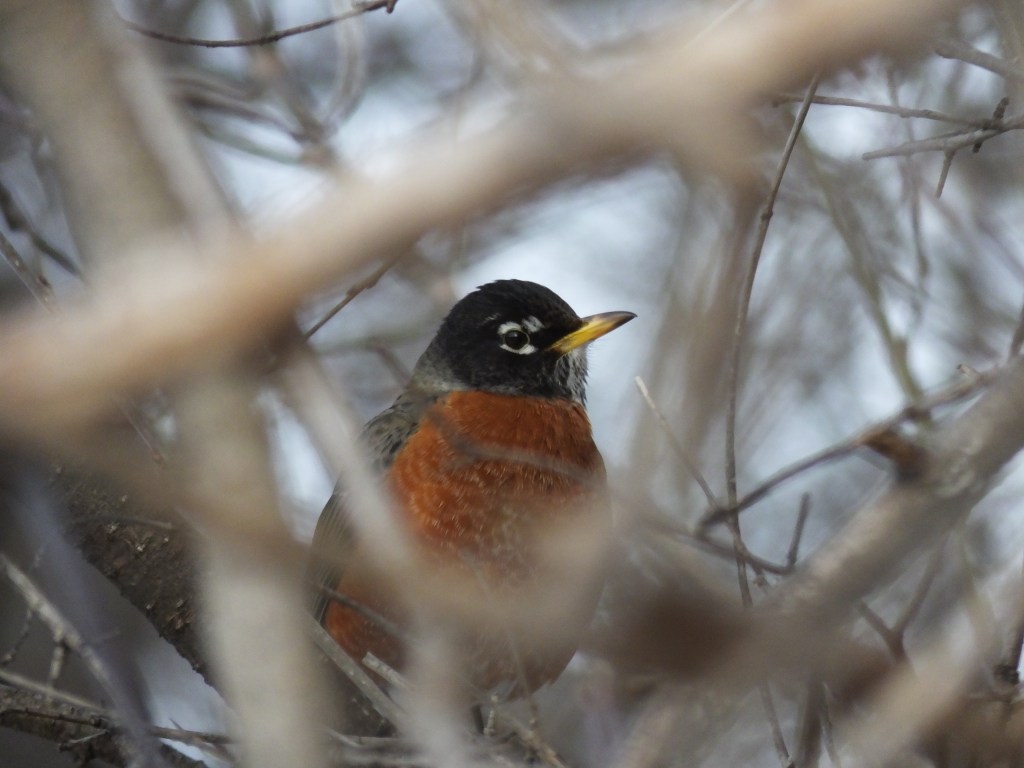
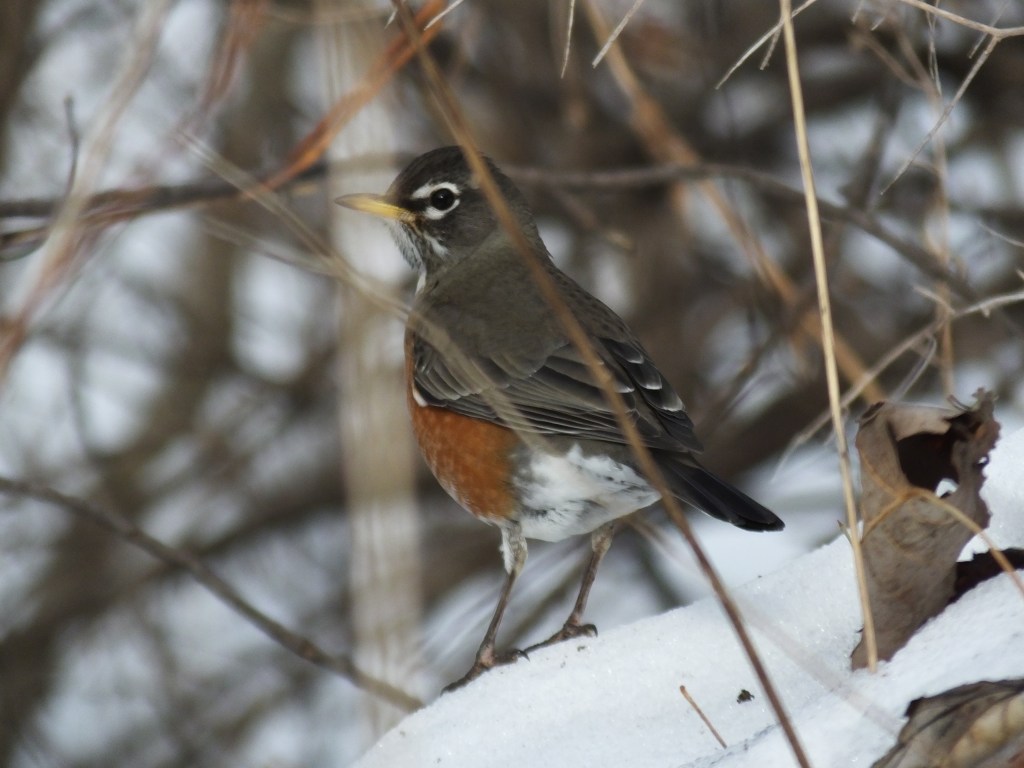
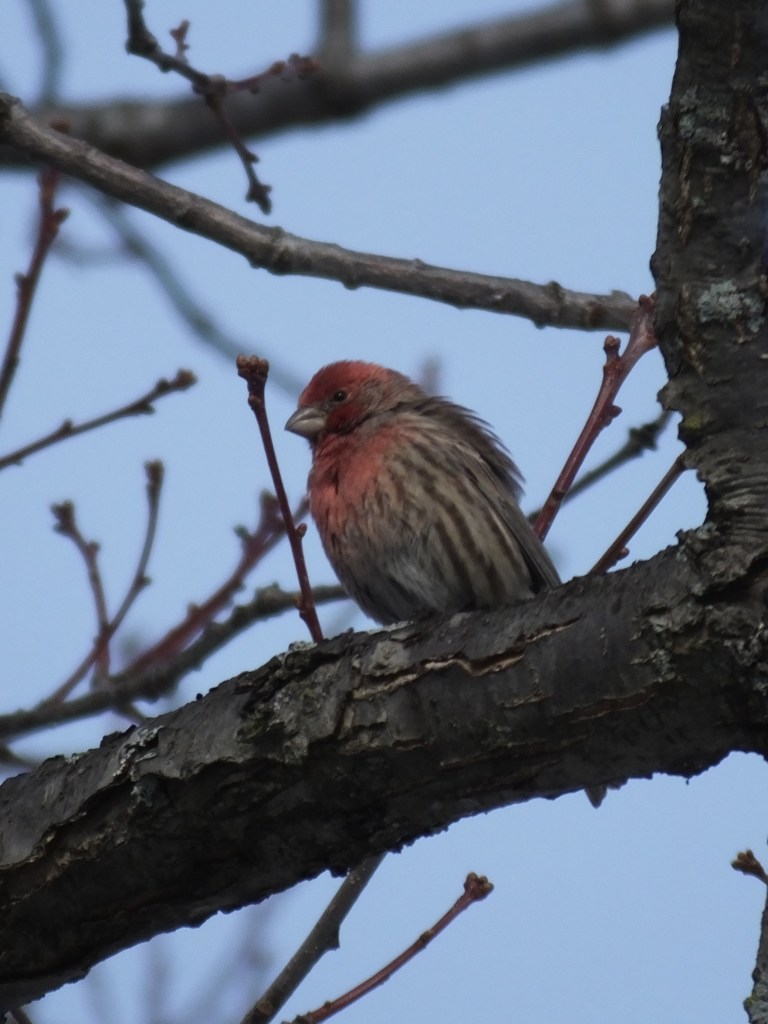
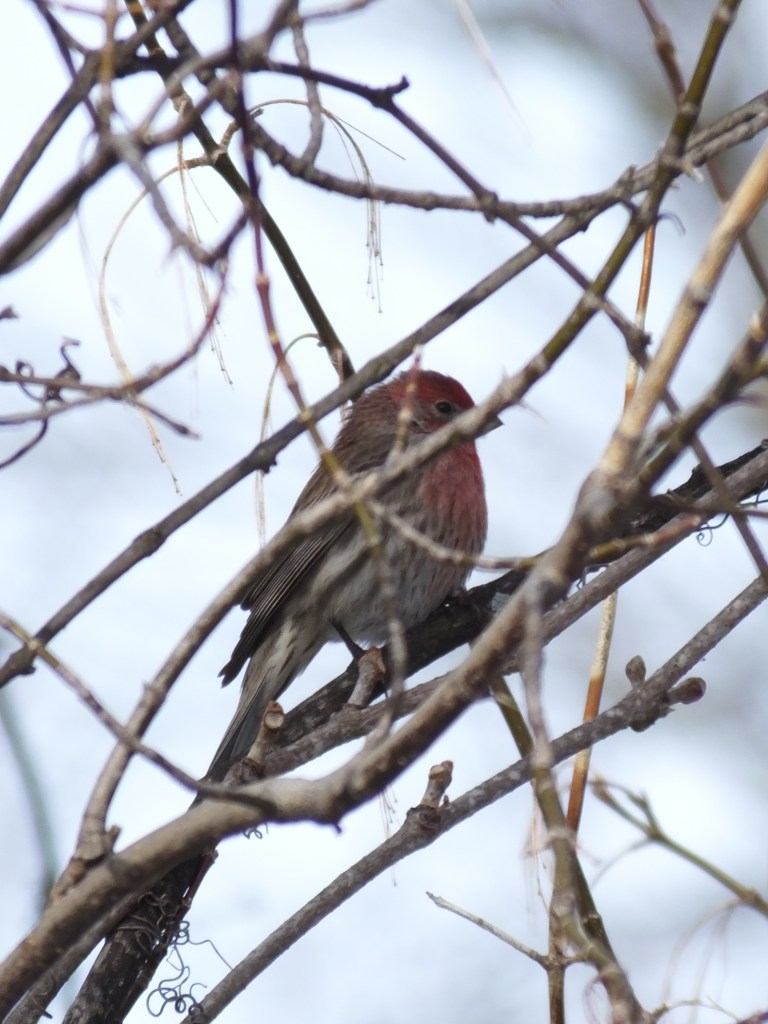
In the bird world, it is the season of the young and/or protective parents. From left to right, we’ve got a young robin still in spots out fending for itself, a pair that I can’t quite identify, and a female red-winged blackbird quite agitated by my presence by the pond. She looks just like the same one I annoyed on Saturday.

In the plant kingdom, the Solomon’s seal (Polygonatum biflorum) are now open and plentiful, and what I think is Crown vetch (Coronilla varia) just starting to open along the parkway.

Lastly, let’s hope this is the sign of one more successful launch. Right?

No matter what we get out of this
I know I know we’ll never forget

More babies and bugs

I am very excited to report the sighting of another duckling! This time it’s a good-sized blue-winged teal on the river with its mom on a gorgeous Sunday afternoon. You may recall that we first saw the Mr. and Mrs. on the pond back on April 11, when we still had frost on the grass and snow in the forecast. Isn’t it great to see that they’ve managed to make productive use of their time since then?

In the butterfly category, we have the surprisingly shy pink-edged sulphur (Colias interior) that made me chase it halfway across the soccer field just to get these partially-obscured images. It liked to land down low in the grass, so I had to get pretty close even to see it at all. I read that “the adult female lays eggs on blueberry plants,” so I sure hope it can find some, but doesn’t cause too much damage!

Our last new guy today is this tiny and striking white-spotted sable moth (Anania funebris) posing on some white dame’s rocket blossoms.

Notice how it managed to get its long tongue, coiled up in the image on the left, down inside the blossom in the image on the right. I don’t know why my pictures are so blurry, but the Bug Lady also remarks about how hard these guys are to photograph. Usually when they fly up to a leaf, they immediately tuck up on the underside. I guess that just won’t work on a blossom, so I was lucky this guy was hungry.

When I looked this little guy up, I was surprised to read that it is a moth. Heck, I had already composed the headline “More babies and butterflies”. After all, two of the traits I thought I knew for distinguishing moths from butterflies are nocturnal instead of diurnal, and feathery antennae instead of thin smooth antennae.

It turns out “moths are generally nocturnal, flying at night. However, there are moths that are diurnal.” Furthermore, “a butterfly’s antennae are club-shaped with a long shaft and a bulb at the end,” and our hero doesn’t appear to have bulbs.

Finally, there are deeper traits, such as the “frenulum, which is a wing-coupling device,” and the type of cocoon they spin, about which you can read much more at the Library of Congress, of all places.

What a bunch of babies…

Yesterday, long-time reader Dan stopped by, and we went on a field trip down the west side of the river to North Ave and back up the east side, about 3 miles round trip in the fabulous Milwaukee River Greenway. I brought my camera, just in case, and am sure glad I did, but let’s chalk these images up to Dan, who spotted the subjects first anyway, so we can enjoy them as guest photos even though they’re technically not from Estabrook Park.

They are, of course, in the order Dan spotted them, a few nearly-mature Canada geese, a deerlet still wearing its spots, and a baby robin who can fly if it needs to but seemed to prefer not. I don’t know if those are our goslings from the pond, but let’s suppose that they are, and I sure made another bird parent upset with me, so that’s twice in one day. I’d better wear a hat outside for a while, just to be on the safe side.

Meanwhile, back in Estabrook Park proper, there has been a whole lot of blossoming going on.

From left to right, we’ve got:

all growing on the steep slope from the beer garden down to the river.

There’s also Solomon’s seal and its impostors:

from left to right

  • Solomon’s seal, smooth Solomon’s-seal, or great Solomon’s-seal, (Polygonatum biflorum), which has taken forever to open and has leaves that look just like the
  • false Solomon’s seal, Solomon’s plume, treacleberry, feathery false lily of the valley, or false spikenard (Maianthemum racemosum), and
  • little false Solomon’s seal, star-flowered Solomon’s seal, starry Solomon’s seal, simply false Solomon’s seal, star-flowered lily-of-the-valley, or starry false lily of the valley (Maianthemum stellatum).

The latter two have already blossomed in the park weeks ago.

Want a little more color? We’ve got that, too.

Here we have, from left to right:

  • bittersweet nightshade, field bindweed, bittersweet, bitter nightshade, blue bindweed, Amara Dulcis, climbing nightshade, fellenwort, felonwood, poisonberry, poison flower, scarlet berry, snakeberry, trailing bittersweet, trailing nightshade, violet bloom, or woody nightshade (Solanum dulcamara) growing in various locations. Yikes, that’s a lot of aliases, and some of them don’t sound so good, but even the Village of Shorewood lists it as a noxious weed and invasive species, so maybe that’s why.
  • wild rose, smooth rose, meadow rose, or prairie rose (Rosa blanda) growing at the bottom of the bluff below the beer garden, and
  • common self-heal, heal-all, woundwort, heart-of-the-earth, carpenter’s herb, brownwort, or blue curls (Prunella vulgaris), of which the Pedia of Wik reports “self-heal is edible: the young leaves and stems can be eaten raw in salads; the plant in whole can be boiled and eaten as a potherb; and the aerial parts of the plant can be powdered and brewed in a cold infusion to make a beverage.” Furthermore “the plant is considered by the Chinese to ‘change the course of a chronic disease’; is commonly used for sore throats and halitosis; and is one of the main ingredients of popular commercial Chinese herbal tea;” so there’s that. It is starting to blossom in the lawn south of the pond.

That’s probably enough names and traits for now. Remember, this will all be on the quiz scheduled for next Tuesday.

Birds go ballistic!

Yikes it was a cold morning for June: 50°F, and the wind made if feel like 45°F. I had to break out a fuzzy hat, and maybe that’s what set off these red-winged blackbirds.

I was just walking around the pond on the paved path, minding my own business, and they were simply not having it! Besides all the shouting and glaring, there was a bunch of hovering just above me, which I found too mesmerizing even to think of taking a picture. Plus, I was worried about aerial projectiles, air-to-ground missiles, if you will.

Anyway, when I stopped by again on my way back south, they couldn’t care less, so at least I wasn’t too close to their nest or something. Maybe it’s the Stanley logo on the hat instead of Milwaukee Tool.

Meanwhile, the bugs were all still snug in their beds. Luckily, I’ve accumulated a couple of nice-looking bug pictures over the last couple of days that I’d better get out of the queue before they get too old.

First are these pair of common whitetail dragonflies (Libellula lydia). You may recall the male from Wednesday, on the left. He was enjoying the pavement again, but this time he allowed me a slightly clearer picture. Then I spotted what looks like a female, or so I thought, on the sand at the southern playground striking a similar pose. It turns out, according to the fine anonymous contributors at the Pedia of Wik, that:

females have a brown body and a different pattern of wing spots, closely resembling that of female twelve-spotted skimmer.

So that guy on the right above is an immature male common whitetail. As it turns out, I also managed to record a dragonfly that fits the female description:

But this one, on the right, truly is a female twelve-spotted skimmer, I believe. Man, it’s all so confusing! I wonder how even they manage to keep it straight.

Speaking of confusion, our next bug, which looks like a giant mosquito, is actually a crane fly, “a common name referring to any member of the insect family Tipulidae.”

Despite their alarming appearance, crane flies neither bite (fore end) nor sting (nether end) (though an ovipositor may look like a stinger),” but the parts that fascinates me are the “two tiny, stemmed knobs called haltare on their thorax,” which are “a vestigial second pair of wings … used for balance,” says the self-described Bug Lady at UWM. Wild, eh?
I’ve got some nice new flower pictures, too, but we’re nearing the end of my attention span, so I’ll just have to save those for the next morning when I come up empty.

Lastly, for those of you just joining us, welcome aboard. If you haven’t been keeping up on the website, I want to point out the big news from yesterday is the launching of our fundraising calendar project. The only detail for sure so far is that we’re doing a calendar, and the rest remains to be sorted out. If you have an opinion about it, I’d love to hear it, and if you know someone who might be interested, please forward them this link: signsoflifeinestabrookpark.net

A butterfly bonanza!

It was another cool morning, but maybe too cool for some critters. There was not a lot going on. Oh sure, the squirrels and rabbits were going about their business, and robins where everywhere, but the pond was empty until one female wood duck flew in, there were no deer to fear, and I haven’t seen the mallard ducklings since their big debut Tuesday morning. I hope they’re okay, wherever they are.

Luckily for us, there was plenty to see yesterday afternoon. Take this stunning male black swallowtail (Papilio polyxenes), for instance, checking to see if the dame’s rocket blossoms west of the southern soccer fields have any nectar to offer.

Or how about this red spotted purple (Limenitis arthemis) along a path by the river? Much more pleasing to the eye than the chrysalis we saw by the pond back on June 4, eh? Yes, I realize that it looks mostly black and blue, but I don’t name them, I just look them up online like an amateur. Check out how well it matches this picture, though.
By the way, the Pedia of Wik reports:

The red-spotted purple butterfly, also known as the subspecies L. arthemis astyanax, is a well known Batesian mimic. The palatable red-spotted purple mimics the unpalatable pipevine swallowtail (Battus philenor) with its overall dark wings with bright iridescent blue along the hind wings.

Note that, even though I managed not to capture the distinctive swallowtail, or lack thereof, that would make identification easier, you can still see that there is no little pattern of bright spots on the head behind the eyes that the pipevine swallowtail has.

If you’re in the mood for some warmer colors, instead, perhaps this red admiral (Vanessa atalanta) will do the trick. Admittedly, the outside cover looks a little dusty, but the inside? Ooh la la!

Continuing with the earth tones, we’ve got this little guy, a silver-spotted skipper (Epargyreus clarus), on a staircase landing just above the river.

I’d better stop there. You’re probably bored, and who knows when I’ll see something worth photographing again.

Finally, I am thrilled to announce the start of our calendar fundraiser project for Friends of Estabrook Park. The idea came from long-time reader, Anne’s mom, Joanne, who simply asked “are you going to make a calendar?” Genius, right?

Anyway, the idea, as you can probably guess, is to pick 12 pictures taken in the park that might look not bad when we blow them up, contract with somebody to print up a bunch of calendars, sell them at a huge profit, and then donate all the proceeds.

The Friends of Estabrook Park board voted to approve the idea last evening, so now we get to come up with all the details, such as which pictures to use, which holidays to include, how to handle the money, etc., for approval at the next board meeting.

I’ve started a new page to post these details as they become available. If you happen to have a calendar printer sitting idle in your basement, just want to get your order in now, or anything in between, shoot me a line at my email address, cleverly disguised on the contact page.

Drama in the high trees!

Man! What a super deluxe morning. The air was calm, cool, and crisp, and there wasn’t a cloud in the sky, but let’s get right to the action! Several Baltimore orioles took exception to where a crow had perched itself, and they expressed their displeasure with great enthusiasm.

The crow stuck it out for quite a while, but eventually took off, and I suspect left without what he or she came for.

Speaking of breakfast, Ol’ Blue was back at the pond, and I didn’t startle him this time, so he definitely did not fly away hungry.

Oh, and FYI, you can click on an image to turn these galleries into a slideshow to see one full-sized, and slightly blurrier, image at a time.

Finally, the mammals were very friendly this morning…

The young deer nearly walked right up to me, as I tried to explain that I didn’t have anything it could eat and asked if I could take a picture instead. The squirrel carefully explained to the rabbit that it was sitting in the wrong spot. “He won’t be able to get an image of the two of us in portrait orientation to go in a gallery with the deer picture he already has.” The rabbit answered “don’t worry, he’s still got the lens cap on.” Sheesh! Everybody’s a critic.