A snake in the grass…

Wow! That was a cool, dim, and damp morning for early August, eh? The park was very quiet, especially now that it seems only buntings and wrens are singing to mark their territory.

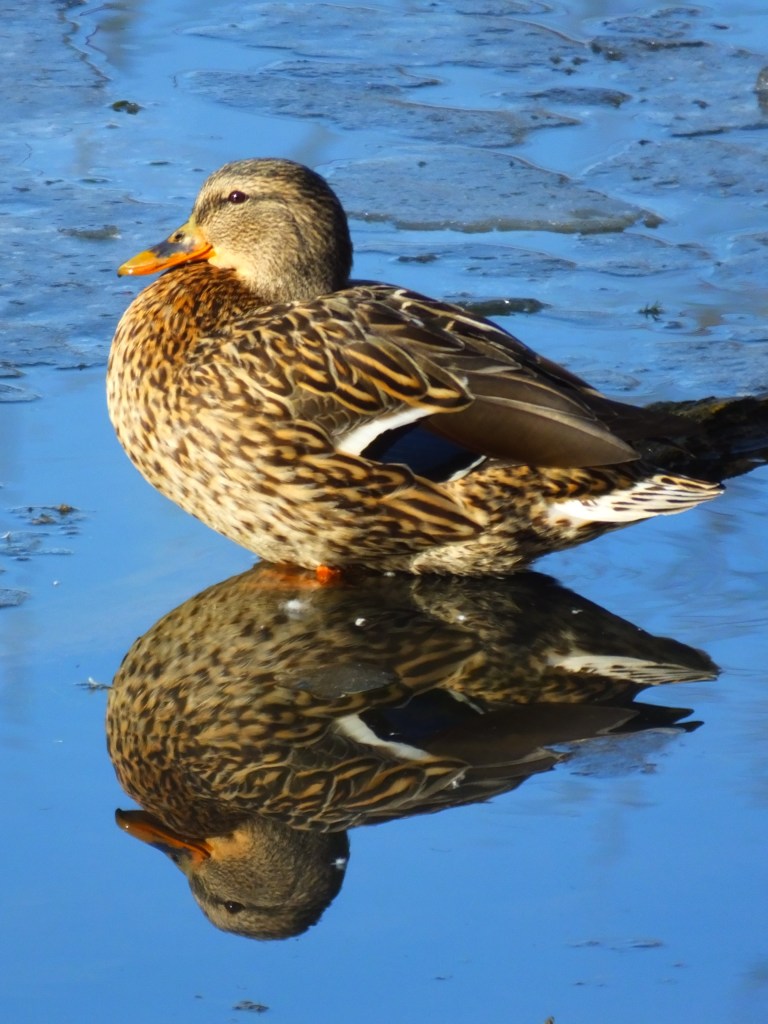
The closest to a newcomer I found this morning is this immature wood duck on the river. In the left/top image, you can see the characteristic ring around its eye, but much less pronounced than on a breeding female, and in the right/bottom image, you can make out the patch of blue edged in white on its wings.

The little stream from the pond down to the river, in which we saw baby bullheads and creek chub, has been dry as a bone for the past couple of days, and the rain last night filled that right back up again. This morning, I saw both critters in the river near where the stream enters, but the pictures are no better than the ones you’ve already seen.

These blossoms keep opening along the boardwalk south of the falls, but there is just one of each, and I’m having a heck of a time identifying them. My best guess today is something in the mint family (Lamiaceae), either in the hyssop genus (Agastache), or the mint genus (mentha). Species might be blue giant hyssop (Agastache foeniculum) or maybe horse mint (Mentha longifolia). If anyone has a better guess, please don’t keep us in suspense.

One new blossom that I’m pretty sure I have identified correctly is white snakeroot (Ageratina altissima) growing in various places along the river path. Do not eat it!

As the Pedia of Wik details:

White snakeroot contains the toxin tremetol; when the plants are consumed by cattle, the meat and milk become contaminated with the toxin. When milk or meat containing the toxin is consumed, the poison is passed on to humans. If consumed in large enough quantities, it can cause tremetol poisoning in humans. The poisoning is also called milk sickness, as humans often ingested the toxin by drinking the milk of cows that had eaten snakeroot.

During the early 19th century, when large numbers of European Americans from the East, who were unfamiliar with snakeroot, began settling in the plant’s habitat of the Midwest and Upper South, many thousands were killed by milk sickness. Notably, milk sickness was possibly the cause of death in 1818 of Nancy Hanks Lincoln, mother of Abraham Lincoln.

It was some decades before European Americans traced the cause to snakeroot, although today Dr. Anna Pierce Hobbs Bixby is credited with identifying the plant in the 1830s. Legend has it that she was taught about the plant’s properties by a Shawnee woman. The Shawnee woman’s name is lost to history, but she and her people would have had deep knowledge of the herbs and plants in the area.

In addition to cattle, the plants are also poisonous to horses, goats, and sheep. Signs of poisoning in these animals include depression and lethargy, placement of hind feet close together (horses, goats, cattle) or held far apart (sheep), nasal discharge, excessive salivation, arched body posture, and rapid or difficult breathing.
This plant may serve medicinal purposes. Root tea has been used to treat diarrheakidney stones, and fever. A root poultice can be used on snakebites.

Thus, if your goats are depressed and lethargic lately, you’d better check their pasture for white snakeroot, and don’t drink their milk. Sorry about the teaser headline, but that’s as close as I’ve come to finding a snake in Estabrook Park so far. I’m still hoping and keeping my eyes peeled, however, and if you find one, please let me know. Take a picture, if possible, and send it in.

Finally, now that it’s August, it’s time to try to sort out what if anything we might do about the calendar. You may recall that I was thinking about printing some up as a fundraiser for Friends of Estabrook Park, and I had a hope of gauging your interest by having you indicated which pictures you’d like to see in it and how many you might buy. Well, since that announcement, it appears that we only need to print up 8 of them, which isn’t much.

The possibility exists, however, that you meant to add a comment, but just forgot, or that you have joined us after that announcement. In either case, now’s your chance to chime in. I’m scheduled to report to the Friends of Estabrook Park board on August 19, so I’ve got until then to decide how many we might print, if any.

A bird named Al

Man, we’ve got a special treat today with not one, not two, but three, count them, three reader photos of the week!

The first one is the most amazing picture, perhaps a once-in-a-lifetime shot, of an albino sparrow taken by long-time supporter Carolyn in her yard right here in Shorewood, WI. She calls him Al because she was listening to that Paul Simon song when she took this picture.

I read that we have to check for red eyes, which I can’t quite see in this image, before we can declare true albinism. If the eyes are dark, then Al has leucism, instead, and can “produce melanin but can’t deposit it into [his] feathers.” Nevertheless, truly an exciting find. Thank you Carolyn!

Next up is this statuesque glossy ibis (Plegadis falcinellus) sent in by frequent contributor, Dr. Bob in Maine, which he spotted in the Scarborough Marsh along the Eastern Trail. He did not include a name for the ibis with this picture.

Finally, we’ve got this little, as yet nameless, cutie that Carolyn also sent in from her front porch.

All righty, then. Let’s see what I’ve been able to scrounge up in the confines of Estabrook Park.

First up is the littlest baby bunny I’ve managed to spot so far this season in the grass just east of the beer garden.

I also spotted this little guy right beside the steps from the falls up to the beer garden emphatically chirping that if they’re out of the dunkle, he’s might just skip the beer altogether today.

Finally, I am pleased to show you that I finally [sic] caught someone enjoying the amazing blazing star blossom, which first started to open a week and a half ago, along the boardwalk just south of the falls. From left/top to right/bottom, we’ve got our old friend, the silver-spotted skipper (Epargyreus clarus), and our new best buddy, the handsome little Peck’s skipper (Polites peckius).

That’s the roundup for this sleepy first Sunday morning in August. It is supposed to stay cool and partly cloudy today, so there should be perfect conditions for a visit to the Farmers Market and a stroll through the park. Maybe I’ll see you there.

Happy August!

The move went so well yesterday that we finished early, I was able to get back into Estabrook by midafternoon, and I am sure glad I did because we’ve got new birds, caterpillars, and flowers to look at this morning, if you can believe it.

Let’s start with the birds. The sky was bright white, which is the worst for trying to take a picture of a bird up in a tree, but I’m learning more tricks with my camera, and this one came out well enough to identify somebody new. Say hello to a pair of purple finches (Haemorhous purpureus), as far as I can tell, over the riverbank. They definitely have finch beaks, he definitely has a red head, which might look “raspberry red” if the lighting were better, and she is “coarsely streaked below” with the right wing markings. Who would have guessed at this late date that we’d still be coming across birds we haven’t seen before, eh?

I actually thought I might be capturing an image of a female indigo bunting, because I had just taken this nice image of a male stretching out between songs over the wildflower meadow just 10 yards inland.

And the reason I was standing on the riverbank at all is that I had glimpsed at least a dozen cedar waxwings hunting insects over the river again. As soon as I showed up, of course, they mostly paused on branches across the river, but I managed to stand still long enough to capture these less-cautious but no-less-dashing characters.

The meadow was not only abuzz with birds, and here are a pair of swallowtail butterflies getting to know each other. Remember when I said they don’t sit still if there’s more than one? Well, here’s your irrefutable evidence!

My already-cushy “job” would be so much easier if they would just sit still as monarchs do.

A little less flashy, but similarly as important, are these guys, ’cause you can’t have butterflies without caterpillars, right? On the left/top is somebody new to us, and I read these guys can be tricky to identify, but as far as I can tell, it’s a very pale yellow woolly bear or yellow bear, the caterpillar of the Virginia tiger moth (Spilosoma virginica). On the right/bottom, of course, is our old buddy, the easily-identified monarch caterpillar looking for just the right spot on a swamp milkweed to start munching.
Speaking of swamp milkweed, check out who I found sipping from blossoms on the mudflats south of the falls. Yes indeedy, that’s the snowberry clearwing (Hemaris diffinis), which we’ve seen a few times before, but this time in enough light that my camera could crank up the shutter speed a bit for some not-too-shabby stop-action.

This next image is just gratuitous, because we’ve seen these before, too, but it was posing so nice and I just watched Aliens with Anne last evening, so here you go: yet one more great black wasp (Sphex pensylvanicus). They look so peaceful sipping nectar, but I’ll let you read further about how they provision for their young on the Pedia of Wik. Did you think Dan O’Bannon come up with something nature hadn’t already devised?

Finally, we come to the striking new blossom in the park, the arrowhead, probably common arrowhead or broadleaf arrowhead (Sagittaria latifolia). The mudflats are full of them, and just a few right in the river have bloomed.

I gotta quit there, mostly because I’m out of pictures, but I’ll be off to the park soon looking for more. In the meantime, I read that we are forecast to have some cooler weather in the coming days, so enjoy your break from the heat.

Skippers Galore!

What a nice cool morning, for a change, eh? It sure keeps the bugs down for a bit. Happily, I was out yesterday afternoon when the bugs were livin’ large, and it turns out that right here in Estabrook Park we’ve got many more kinds of skipper butterflies, besides the two we’ve already seen, then I even knew existed.

First up is this nicely-understated Crossline Skipper (Polites origenes) with just the slightest hint of a row of light spots on its wings.

Next up is this striking Fiery Skipper (Hylephila phyleus) with wings so light yellow it can sport dark spots.

Finally, another look at a Peck’s skipper (Polites peckius) from yesterday and that is almost splitting the difference between light and dark.

One fun detail that I didn’t notice until yesterday afternoon is how these little guys often hold their wings.

As always, the Pedia of Wik explains “adults typically visit flowers and hold their wings together while feeding,” as we saw yesterday. It continues, however, that the subfamily Hesperiinae, which includes these three, “are unique in that they hold their wings partially open while resting, with the forewings and hindwings held at different angles. This is known as the “jet-plane position.”

Also stopping by was this nice and new looking monarch.

This flighty black swallowtail swung by, but didn’t really stop. The purple cornflowers were right there, but he wanted to sip from this red bergamot without taking a break from fluttering.
Well, there you have it. We’re gonna have a short report today because I get to go help someone move this morning, and I hope these colorful little guys can tide you over until next time.

Lots of wings and legs today.

What a beautiful morning it was: not too hot, not too cool, and very still. Many of the birds are starting to quiet down, especially the grackles and red-winged blackbirds, so the few that are still singing, wrens and buntings, really stand out. Happily, there are still plenty of creatures, old and new, willing to let me take their picture.

First up is everyone’s favorite, the woolly bear caterpillar (Pyrrharctia isabella) crawling beside the parkway. I read in the Pedia of Wik that if the “brown band is wide, winter weather will be mild, and if the brown band is narrow, the winter will be severe,” and the brown band on this guy looks to be nicely not too wide and not too narrow. Yay! Right?

Next is another pretty little ‘summer’ spring azure or just summer azure (Celastrina ladon neglecta) posing on some white sweet clover (Melilotus albus). We first saw an azure back in June, and the white sweet clover started to bloom a couple of weeks after the yellow sweet clover.

Here’s a handsome little Peck’s skipper (Polites peckius), which I don’t believe we’ve seen before, in the same butterfly family, Hesperiidae, as our old friend, the silver-spotted skipper.

Here’s a regular in these reports, a slightly roughed-up pink-edged sulphur (Colias interior), but posing on a new blossom at the south end of the park, the striking Prairie Ironweed (Vernonia fasciculata), glowing in yesterday’s late afternoon sun.

Here’s a pair of new sulphurs, clouded sulphurs (Colias philodice), with a distinct row of dark spots on theirs wings that the pink-edged sulphur lacks, and seen here in the process of making more sulphurs. Good thing the wings offer some privacy so we can keep this operation rated PG, eh?

While we’re at the ironweed, check out the wear and tear on this male monarch. Holy moly does he look like he’s been through the wringer. He’s one tough old “bird”, though, and still flying nevertheless!

On the other hand, here appears to be a spanking new female black swallowtail (Papilio polyxenes) in the meadow at the north end of the park. She was either too cold or too wet from dew this morning to worry about me clumsily trying to line up this shot.

Finally, our old friend the indigo bunting was also in the meadow this morning and singing his song from amongst the Queen Anne’s lace this time.

That’ll do it for today, and how there are still new critters to see in the park after all this time sure is a mystery to me, but let’s enjoy it while we can.

Not done yet!

Ha! As soon as I say we haven’t seen ducklings in days, look who shows up on the river.

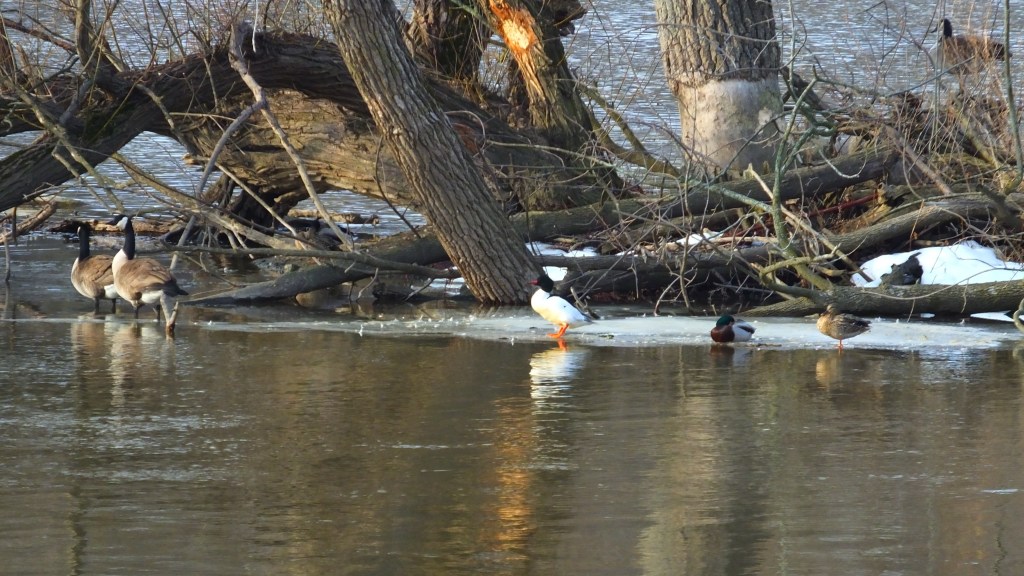
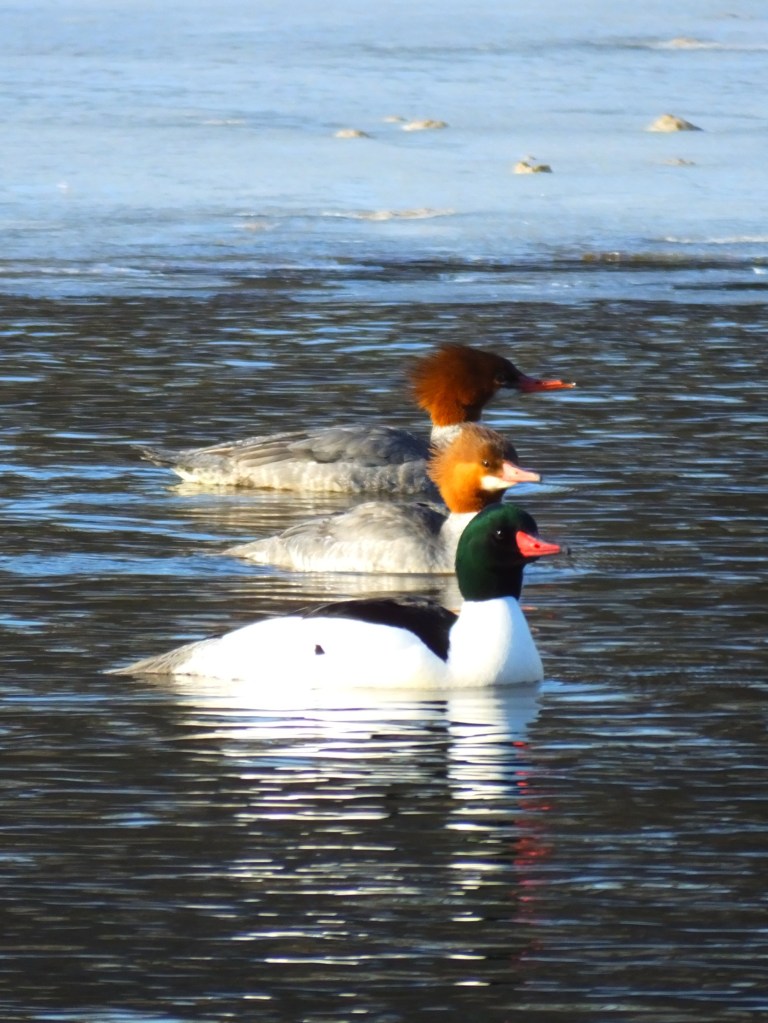
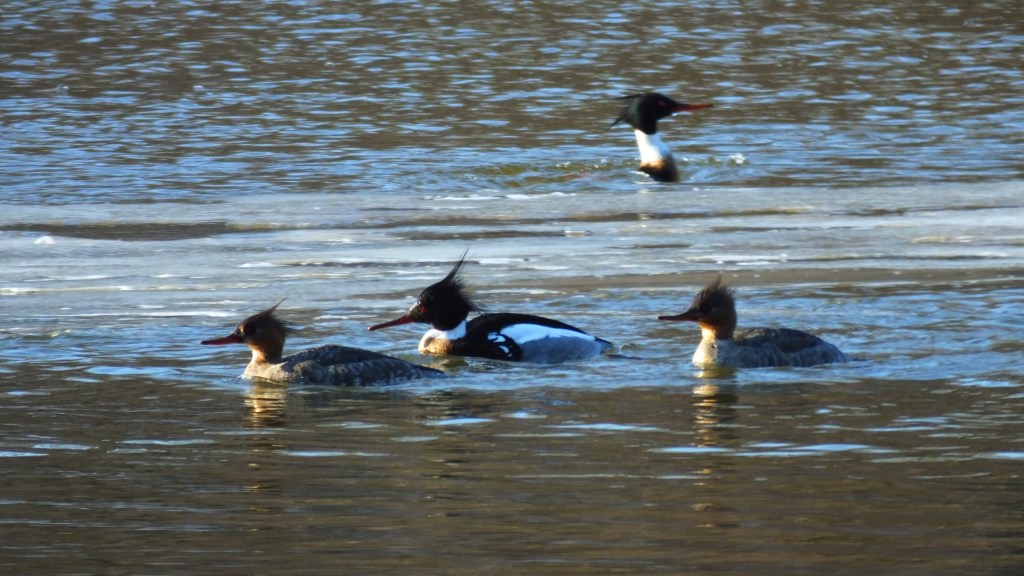
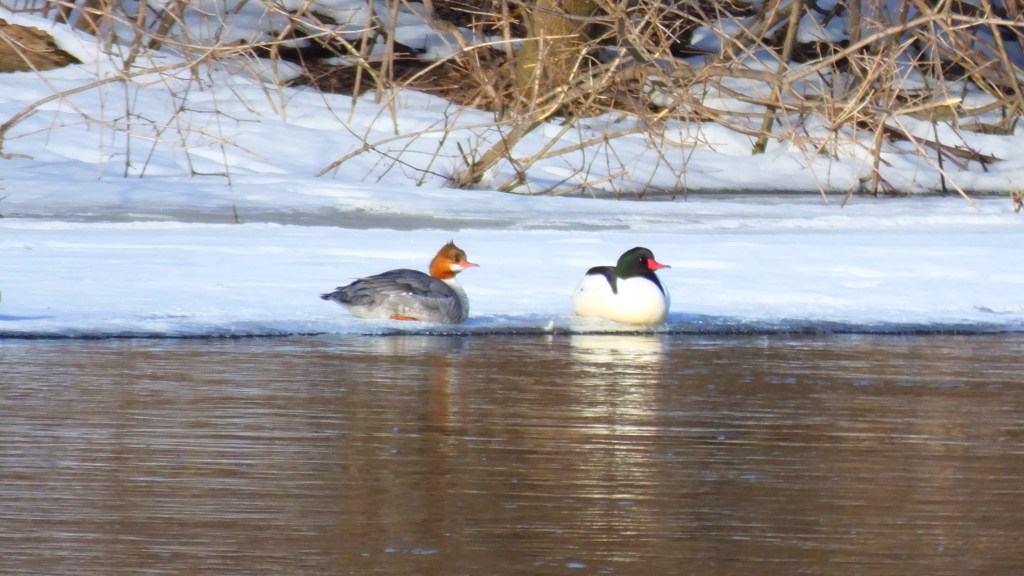
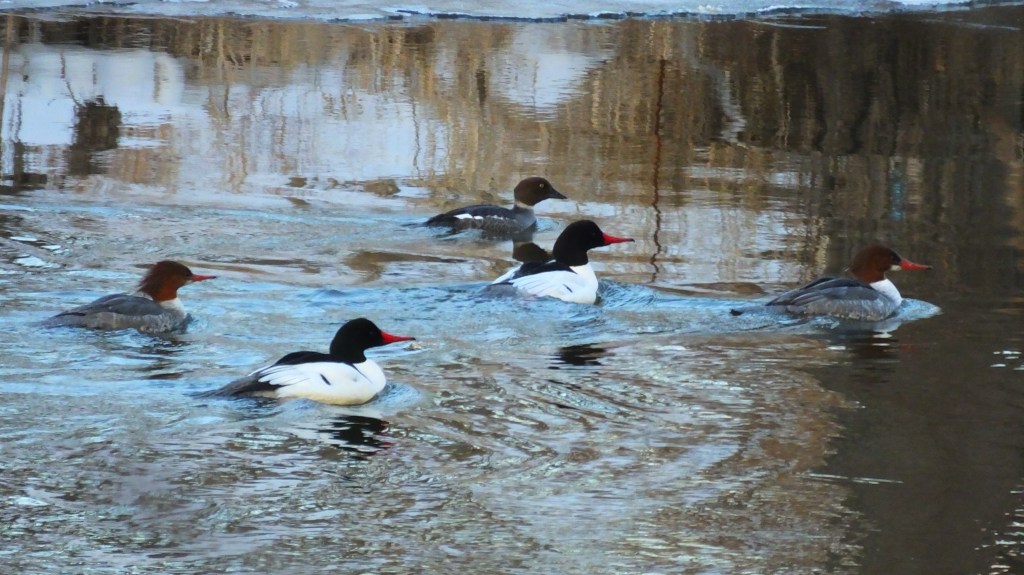
And just to keep things interesting, a female or juvenile common merganser (Mergus merganser), which I don’t believe we’ve seen in the park before, was heading down river this morning. After I caught just enough of a glimpse with my binoculars to know it was something special, I had to drop everything and sprint down the river trail to get along side of it for even this not-too-great image. Yay! Something new.

I also saw three blue herons fly by and was lucky enough to stumble across one pausing to get a bite and who appears to be a juvenile, which we haven’t seen before, either.

Wow. That’s a lot of waterfowl all of a sudden. Happily, there were some bugs out and about to mix things up a bit. First up is our old buddy, the silver-spotted skipper (Epargyreus clarus). This morning he chose Queen Anne’s Lace to pose on and got photobombed by a bee.

And here’s a pink-edged sulphur (Colias interior), which we just saw a couple of days ago, but who could say no to this image?

Finally, we’ve go one more newcomer, and according to Identifying Hairy Caterpillars, it is either a Cream-spot Tiger Moth, a White Ermine Moth, or a The Ruby Tiger Moth, all of whom are stunners, eh?

Oh, and I collected my winnings from MKEBrewHero this morning. I don’t have any pictures, but they took some, and I’ll include a link if and when they post them.

Slowing down

As we approach the dog days of summer, with the heliacal rising of the dog star, Sirius, scheduled for August 15, things seem to be slowing down in the park.

I haven’t seen a duckling in days, and I hope, as I know you do too, that they merely moved on to fresher water, but I definitely don’t mean “to a pond upstate.” The river is getting pretty low, and the oxbow pond must be getting pretty stale now that it is isolated from the river, so let’s all suppose the ducklings are just out exploring new parts of the river that I can’t get to.

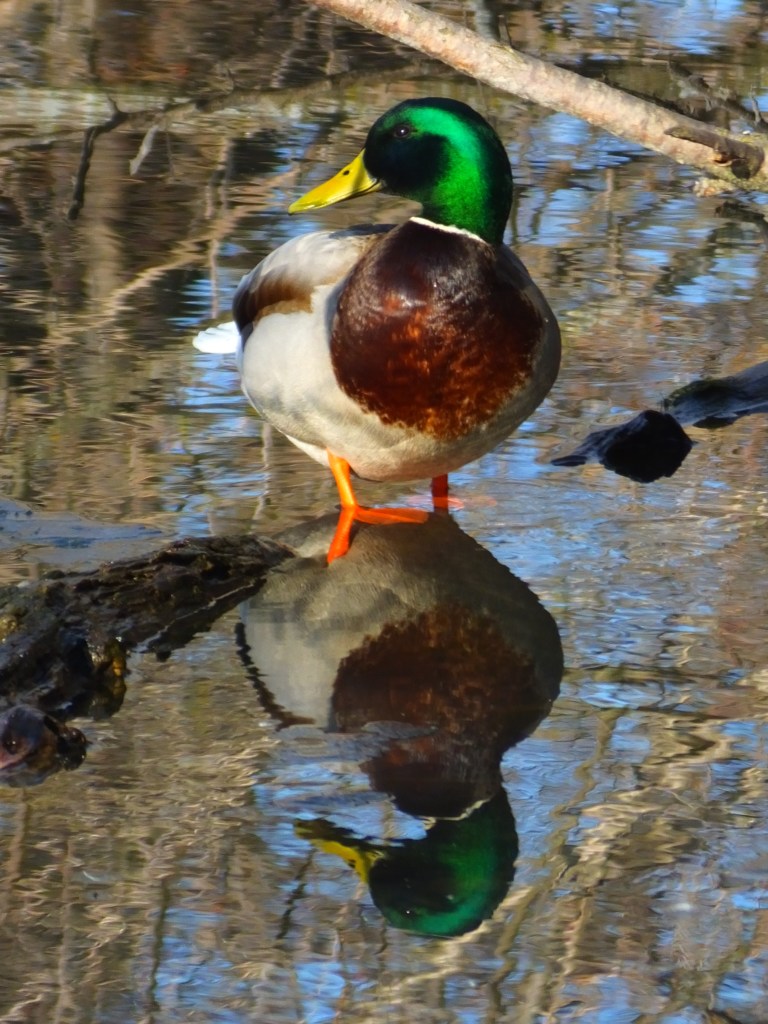
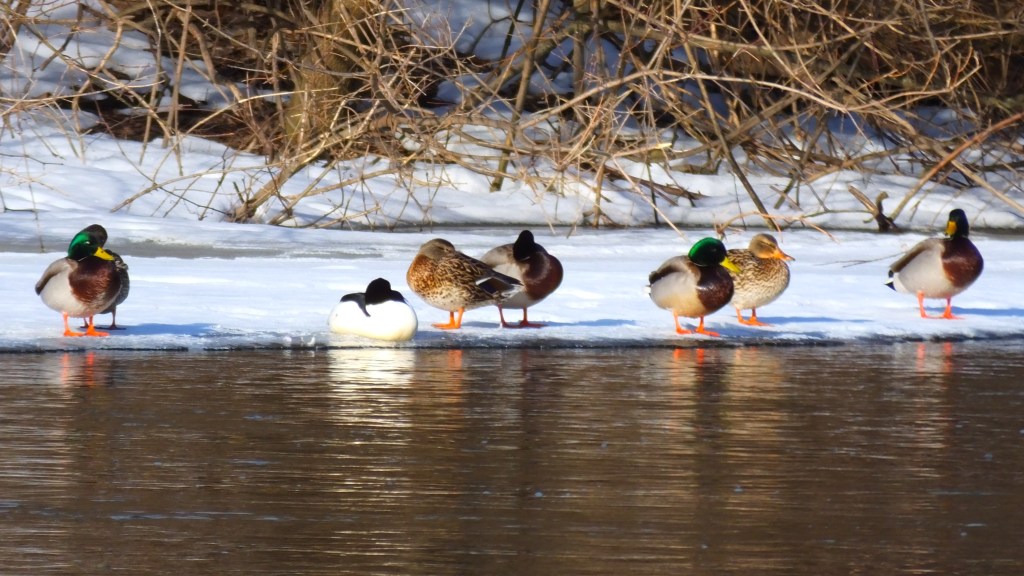
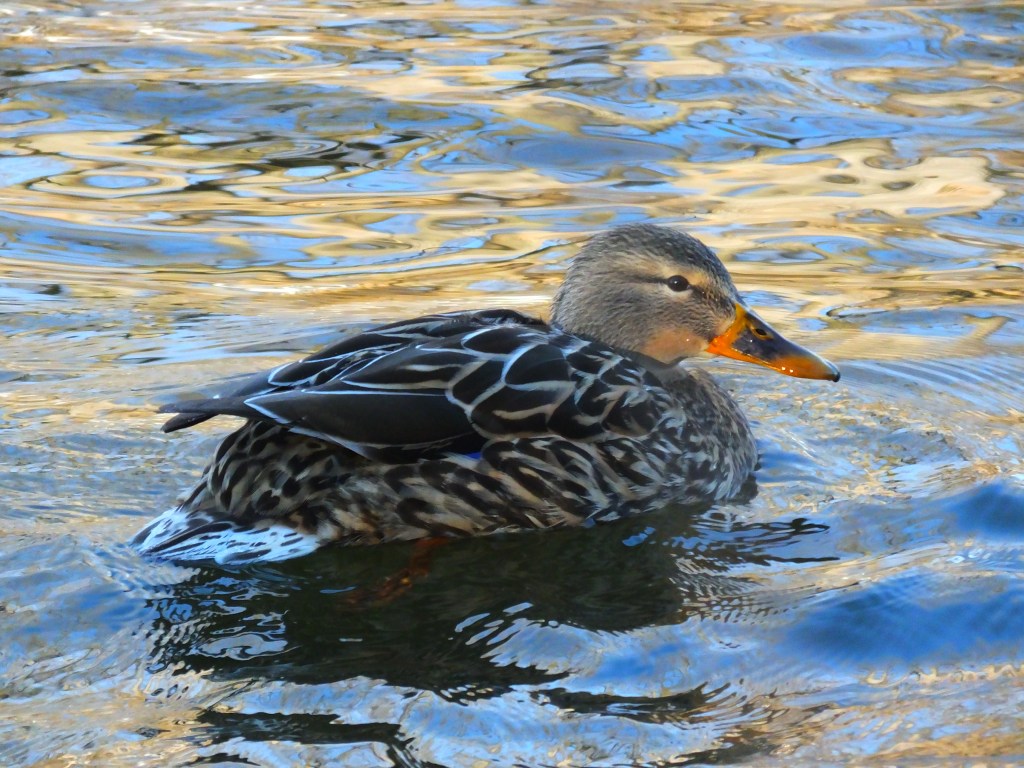
I did see one wood duck hen on the pond and a couple of mallard hens on a sandbar in the river this morning.

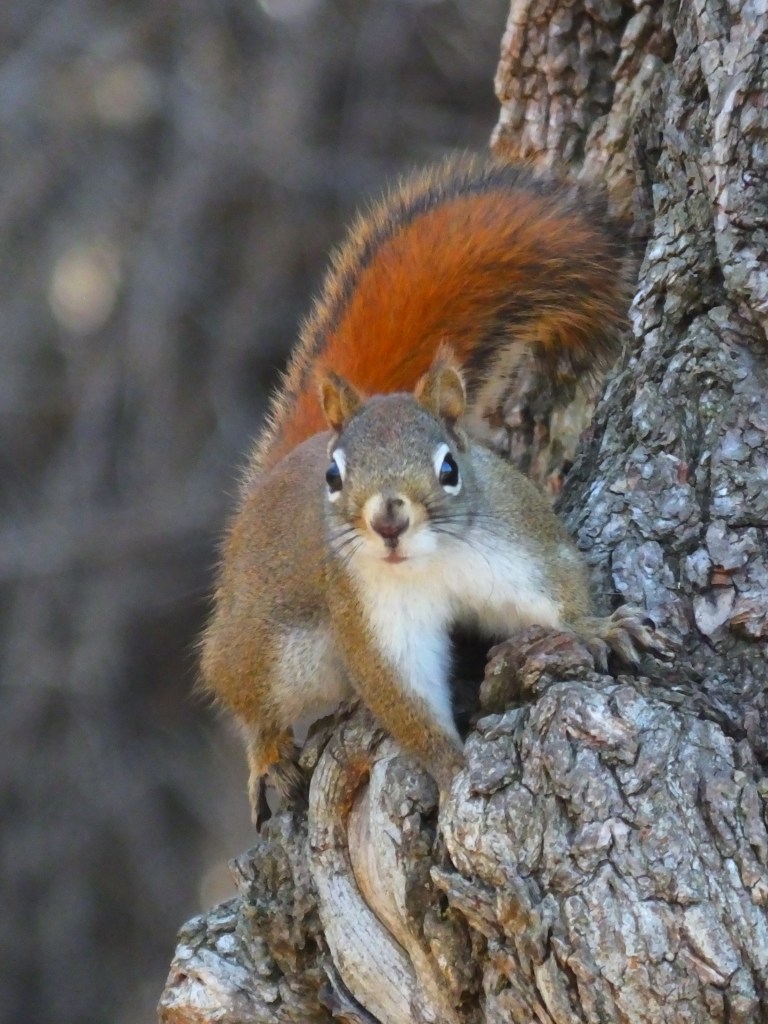
The most exciting sighting today was another red squirrel, this time by the pond. He seemed quite upset about something, and here he is asking me if I’m talking to him.

Also, the juvenile sandpiper appears to be getting more comfortable in front of the camera, and here he is practicing his crane kick.

Generation 3 or 4 monarch caterpillars are busy munching on milkweed, both common milkweed by the pond and swamp milkweed by the river.

Finally, the stinging nettle blossoms have really opened up since we last saw them, and don’t ask me how I know.

And that’s the news from Estabrook Park this morning that I saw fit to photograph and write about.

One fun side note is that Milwaukee County Parks started a program to encourage people to pick up litter a while back, and two readers immediately emailed me about it when they saw the announcement. Anyway, to play the game, you post pictures that somehow depict your delittering efforts on Instagram with the tag #mkebrewhero.

Since I was already picking up litter and taking pictures, I figured starting to post some on Instagram wasn’t that much more of a hurdle. Okay, okay, now the fun part, at least for me. They have drawings to see who gets some swag, and you’ll never guess who was the winner of the “FIRST official drawing for the Brew Hero program at Milwaukee County Parks!”

Yours truly. Ha!

Just bugs

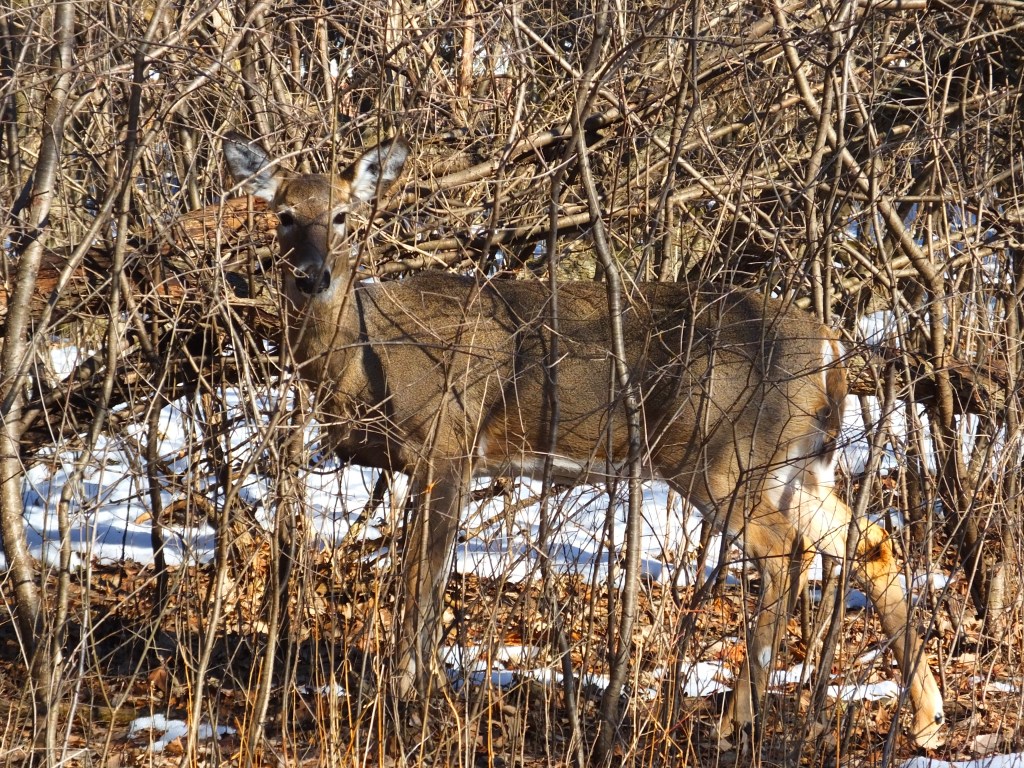
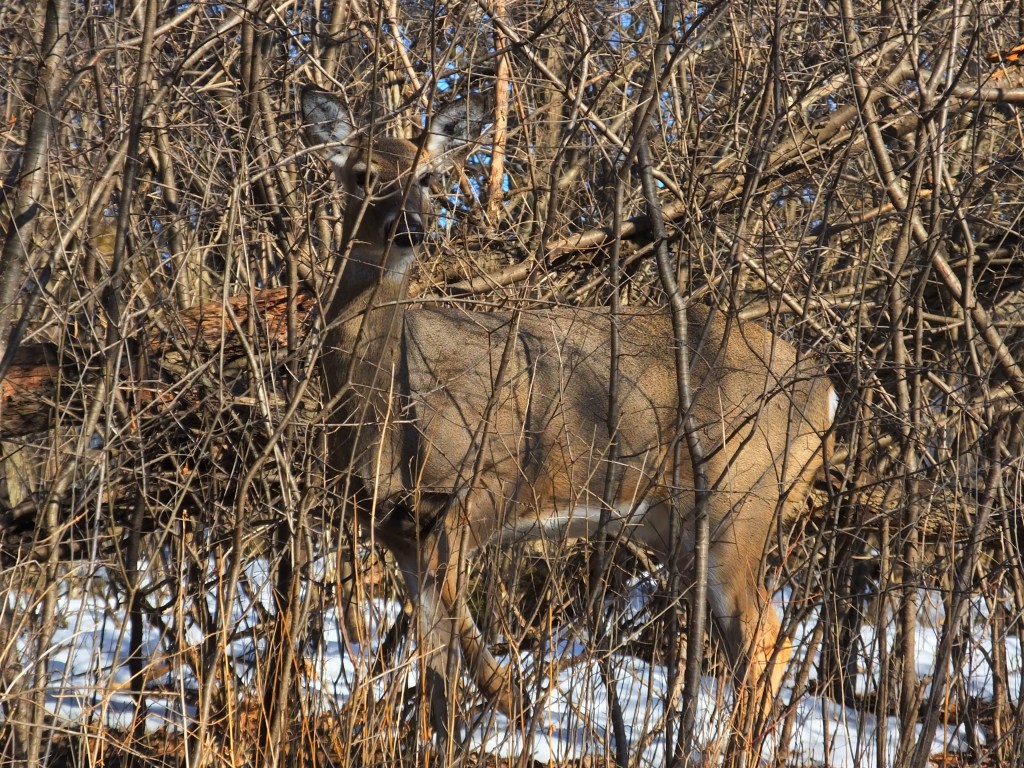
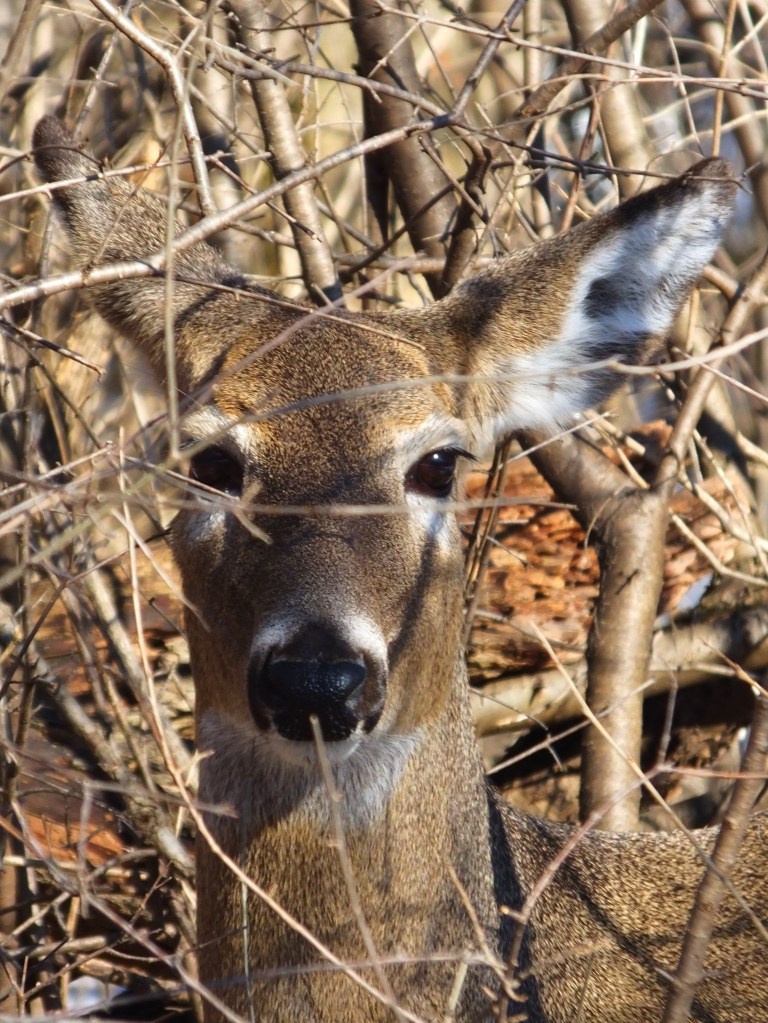
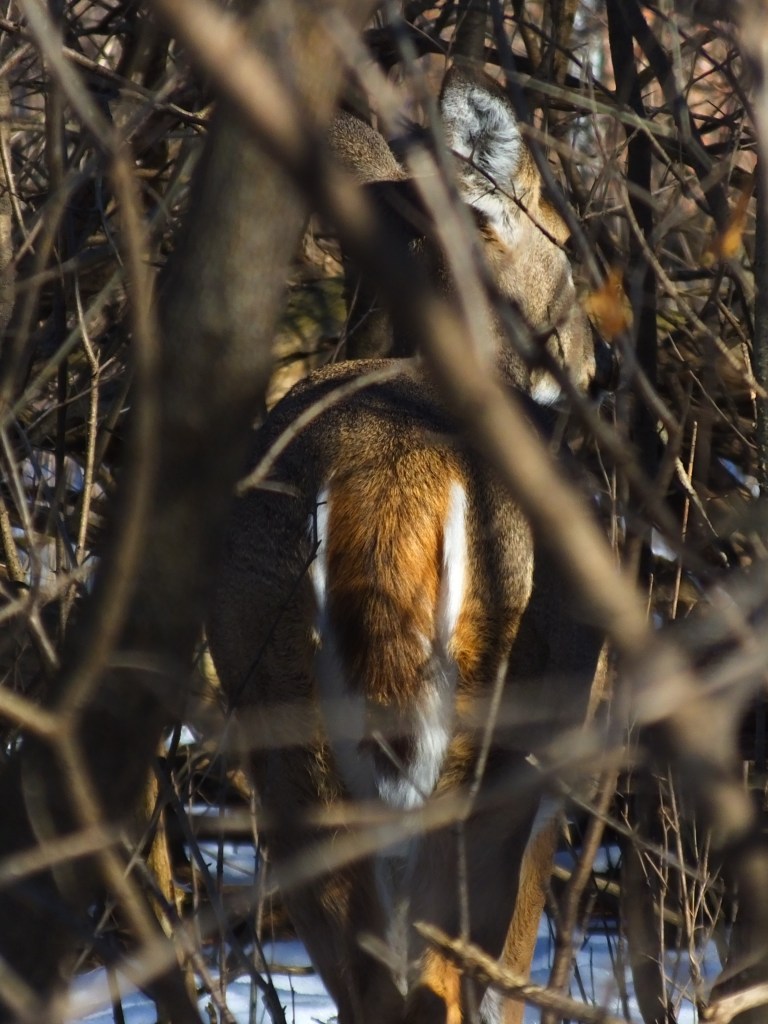
I did see the doe and fawn again today, but they were in the brush, and neither were in the mood for hanging out, so no pictures. Instead, all I’ve got for you is bugs.

The first bug is this red admiral (Vanessa atalanta), which we first saw back in June, on a eastern purple coneflower (Echinacea purpurea) on the slope between the falls and the beer garden. The flower was kind of low and in the weeds, so my angles were limited, and this little stinker took its sweet time working its way around to this side for its photo op.

Next is a little pink-edged sulphur (Colias interior), which we also first saw back in June, on a purple coneflower by the boat launch at the north end of the park.

Next is another female eastern black swallowtail (Papilio polyxenes), like the one we just saw yesterday, on a purple coneflower by the boat launch.

Finally, a male eastern black swallowtail (Papilio polyxenes), which we first saw on the same day in June as the red admiral above, on a purple coneflower in the little garden by Capital Drive at the very south end of the park.

Man, when there are two butterflies of the same species, either male and male, or male and female, good luck having anyone sit still long enough for a picture. Instead, all I got was endless hyjinx like this.

And there you have it. Nothing but butterflies on purple coneflowers today. Maybe tomorrow I’ll find something brown or grey for you.

The Wanderer

Here’s Red, the red-eared slider (Trachemys scripta elegans) I met this morning in the grass by the parkway north of the Benjamin Church House.

Red was on a mission, but I think maybe the landscape has changed since he last came this way, and he was not going to like what he found. Therefore, with the Farmers Market imminent, I violated the Prime Directive once again, and brought Red back to a better spot on the river, where I have seen several other turtles before. Happily, Anne just happened to be nearby and recorded my transgression.

Red was pretty funny. He’d just hang out, looking around, as I hiked along the trail until he could hear or see water. Then his claws went wild, and I had to hold on tight. As we neared the big mudflats I had in mind, we crossed yet one more stream, and he really let me have it. I didn’t actually drop him, but if I didn’t set him down right away, I might have. I grabbed my camera in hopes of getting a goodbye shot, maybe with him looking over his shoulder at me with a tear in his eye, but he was not having it. I thought maybe I’d done enough damage for today, and I just let him go.

Here’s hoping that he likes the new spot on the river better than the one he left and can now stay put until next time. I’m pretty sure he’s not going to find what he’s looking for east of the parkway.

Anyway, the monarchs sure seemed to be in a photogenic mood this morning because they were posing everywhere. Here they are on purple coneflower, on swamp milkweed, and on bull thistle.

Maybe it was the weather because they weren’t the only ones so inclined. Here’s a stunning female eastern black swallowtail (Papilio polyxenes) on red clover and a pretty little banded hairstreak (Satyrium calanus) on Queen Anne’s lace.

And that’s a wrap. Till next time, stay cool out there.

An Enchanted Morning.

It was another fabulous morning in Estabrook Park, and I was just walking up the middle of the parkway, which has been close to car traffic since Memorial Day weekend, and I was approaching the middle parking lot, when this young deer, still sporting spots, simply could not figure out what to make of me. I’m gonna guess he’s a male, based on what look to be two pedicles on the top of his head.

His mom came out once, early on, to check out the situation, but seemed less than thrilled, and quickly headed back into the brush. It happens. Our young hero, on the other hand, seemed to be having the time of his life and pranced out twice to give me a closer look, coming all the way to the curb one time. I did my best to act like this was just a normal thing and nothing to get excited about.

What an adventure he looked to be having, and what an absolute treat he was for me to watch.

His was not the only debut this morning, either. Here are two more striking new blossoms on the slope up from the falls to the beer garden. On the top/left appears to be Royal catchfly (Silene regia), which is supposed to be “pollinated by the ruby-throated hummingbird“, so we’ll have to keep our eyes peeled for that; and bottom/left is a mystery that I cannot yet solve. Drop me a line if you have a good guess.

Meanwhile, two other beauties continue to dazzle on the same slope. Top/left might be small-head blazing star (Liatris microcephala), a not-very-dense dense blazing star (Liatris spicata), or even prairie blazing star (Liatris pycnostachya); and bottom/right is fairy wand, blazing-star, devil’s bit, false unicorn, or helonias (Chamaelirium luteum).

Finally, long-time-reader Gary commented on yesterday’s report that “an avid fisherman friend of mine verified that although that school of tiny fish you keep seeing are technically a type of catfish, they are actually baby bullheads. And darn cute bullheads they are. Much cuter now than when they grow up.”

I read about bullheads, specifically black bullhead catfish (Ameiurus melas), that they have “a squared tail fin, which is strikingly different from the forked tail of channel and blue catfish,” and sure enough, that’s the tail on our river fish from yesterday and on the ones in the pond a couple of weeks ago. Just look at all those square little tail fins. Thanks, Gary!

Let’s call that our report for today and take a break from the bugs and mushrooms for a change, eh?