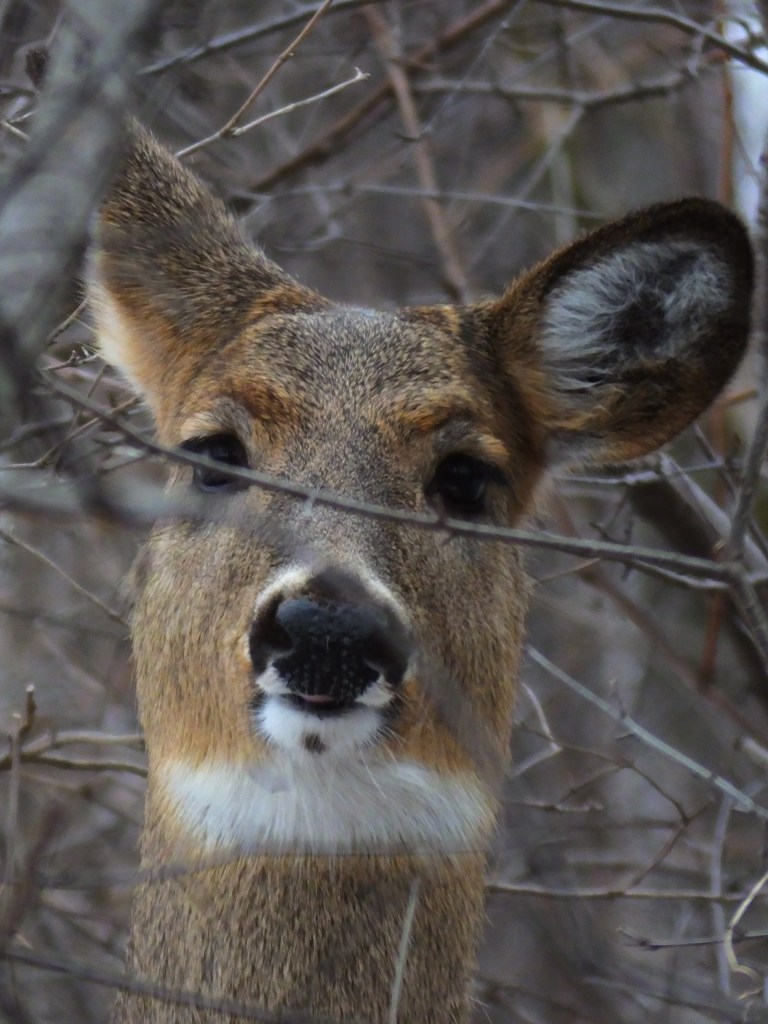
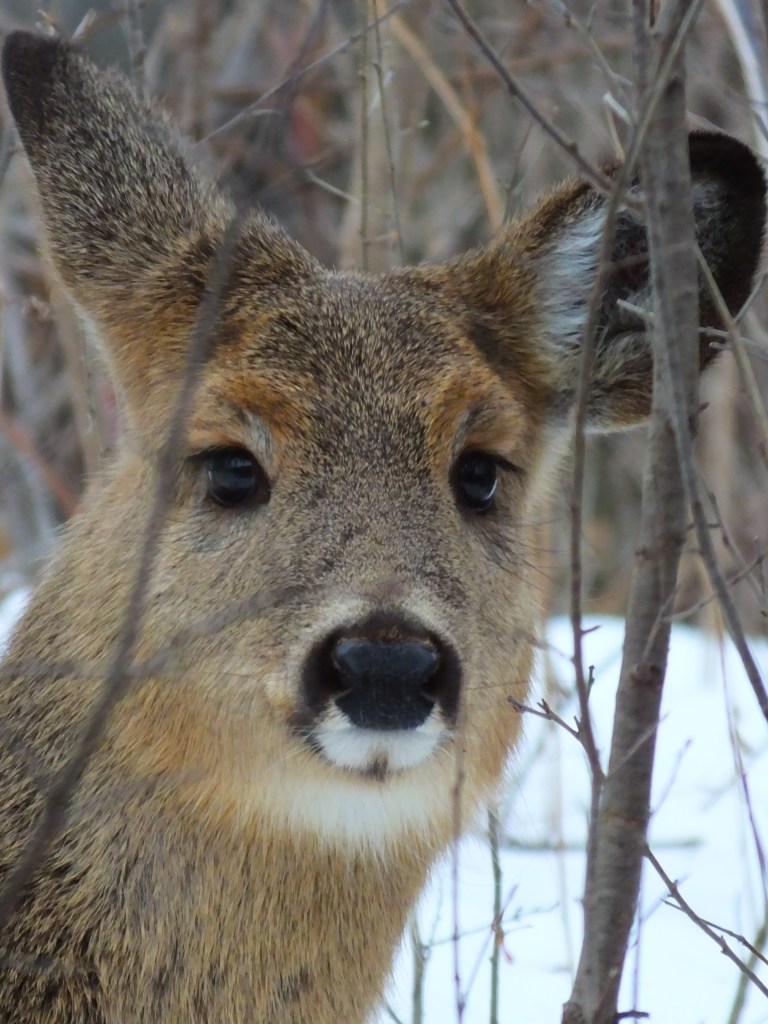
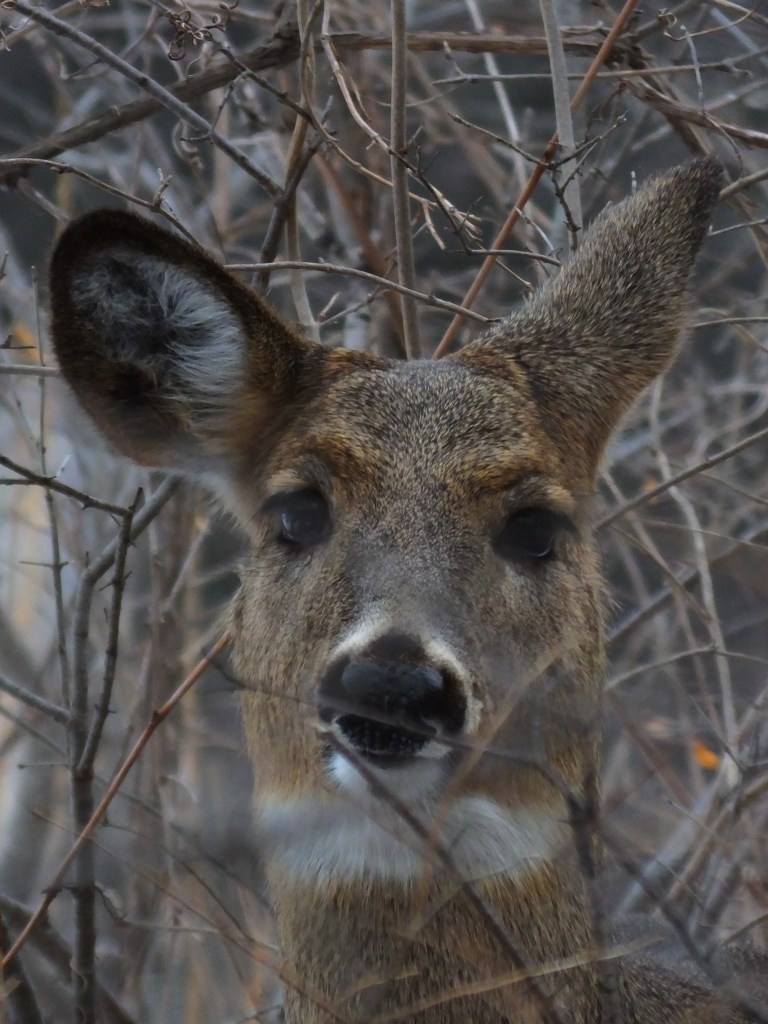
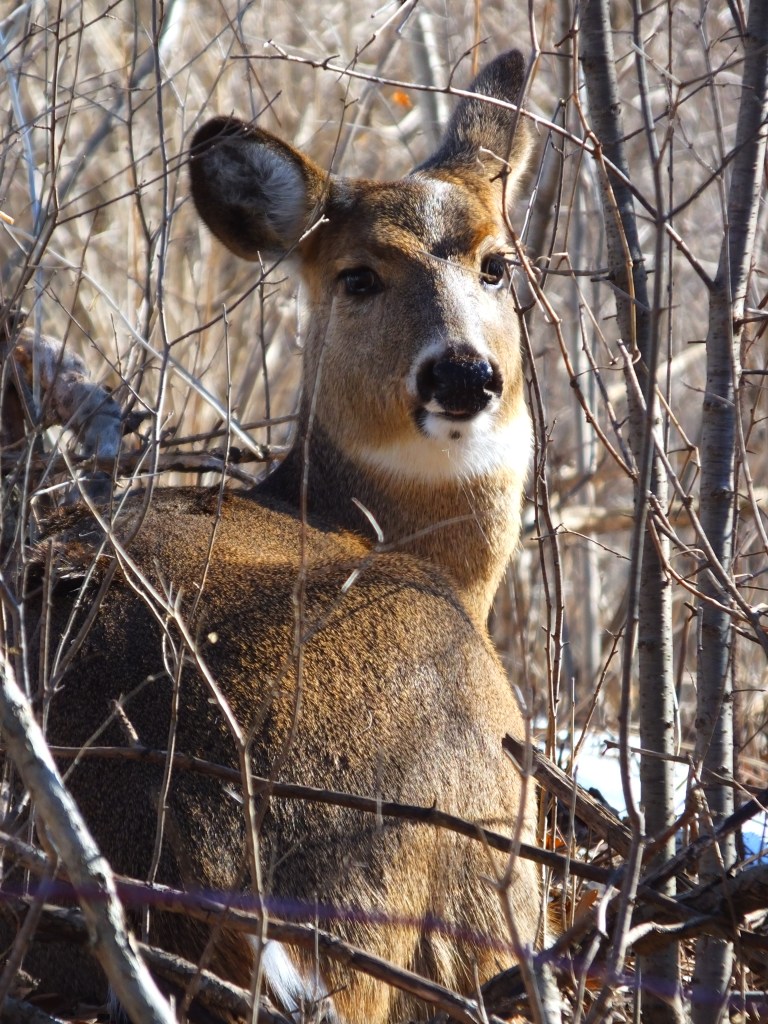
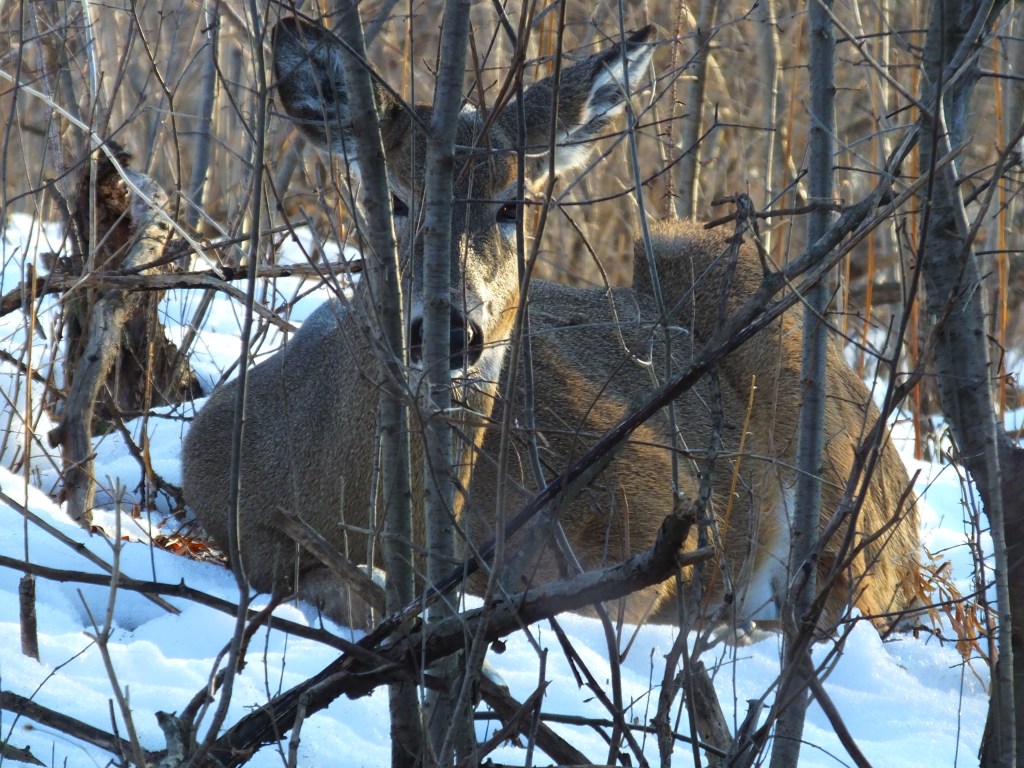
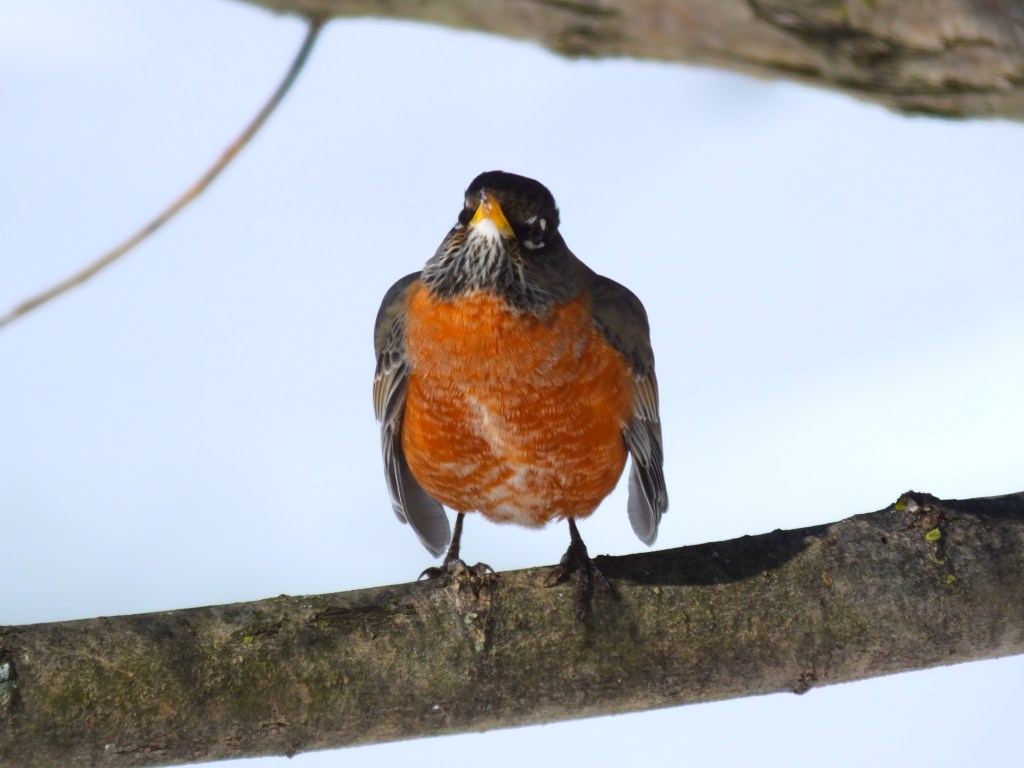
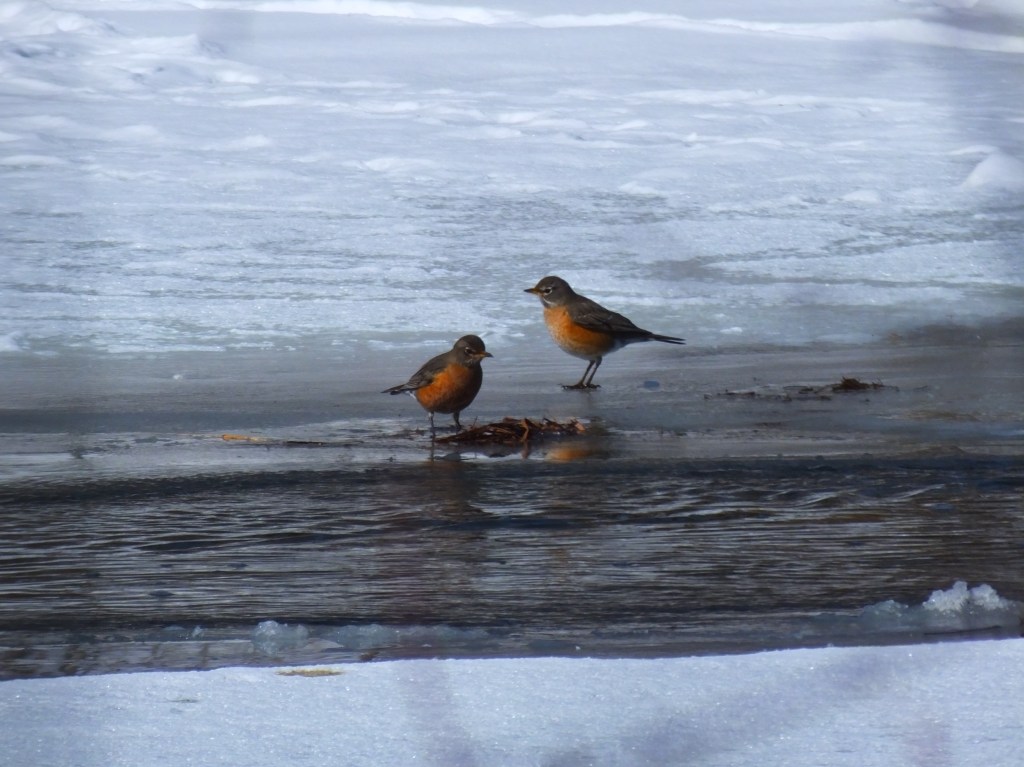
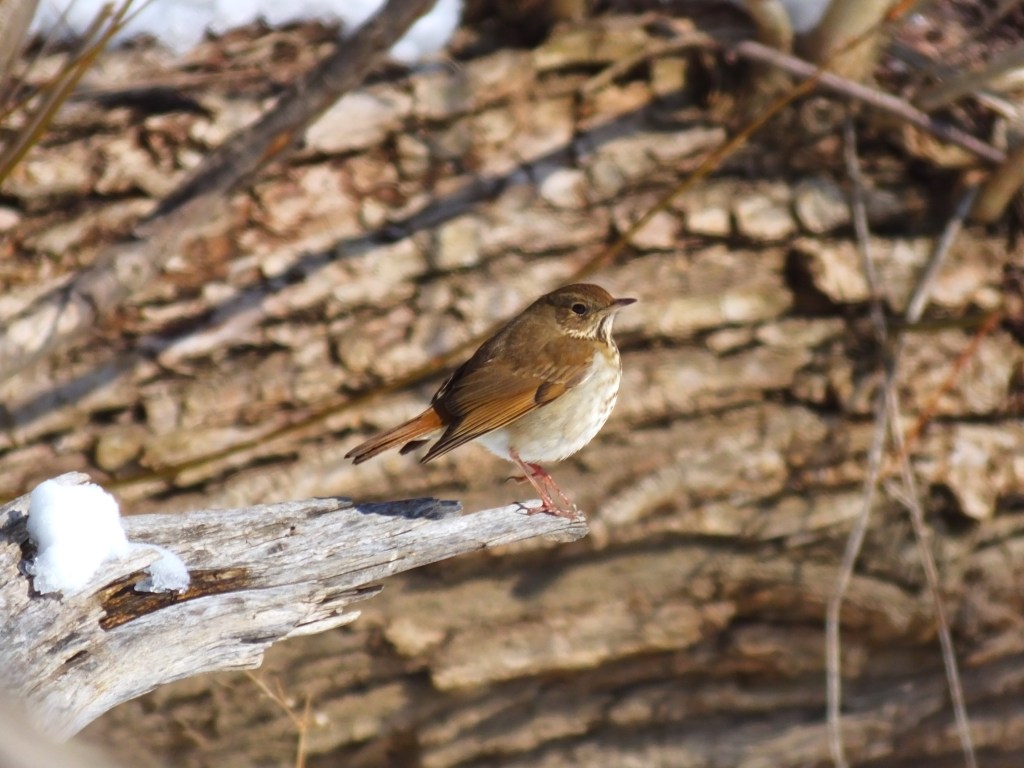
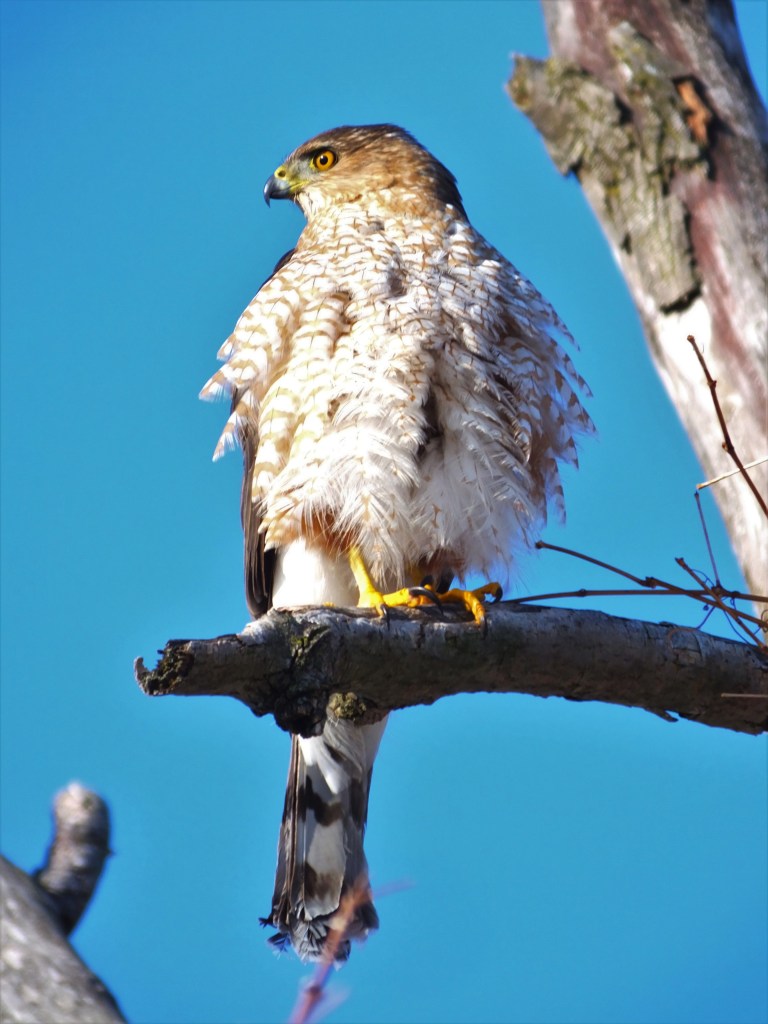
Pick your poison…

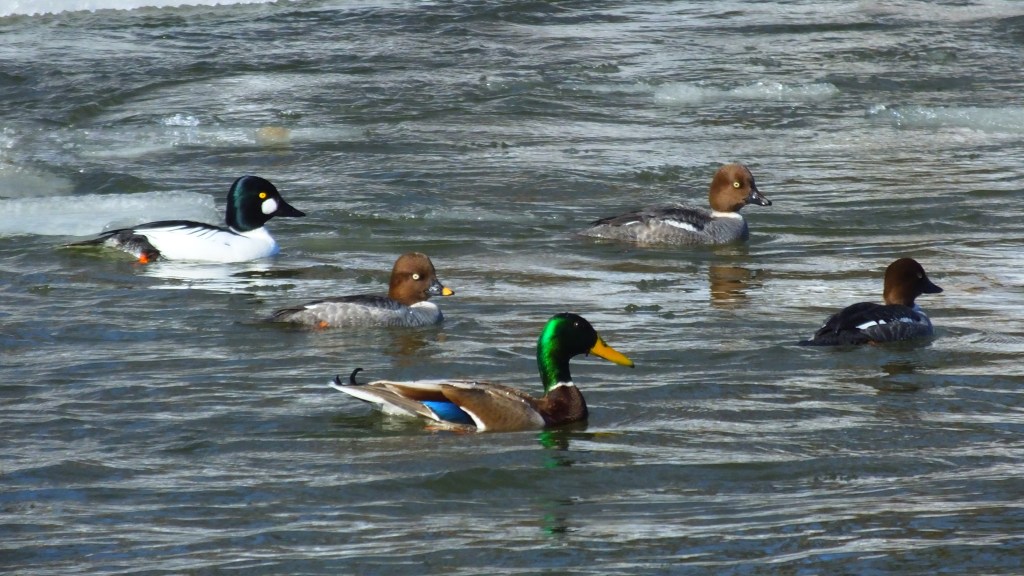
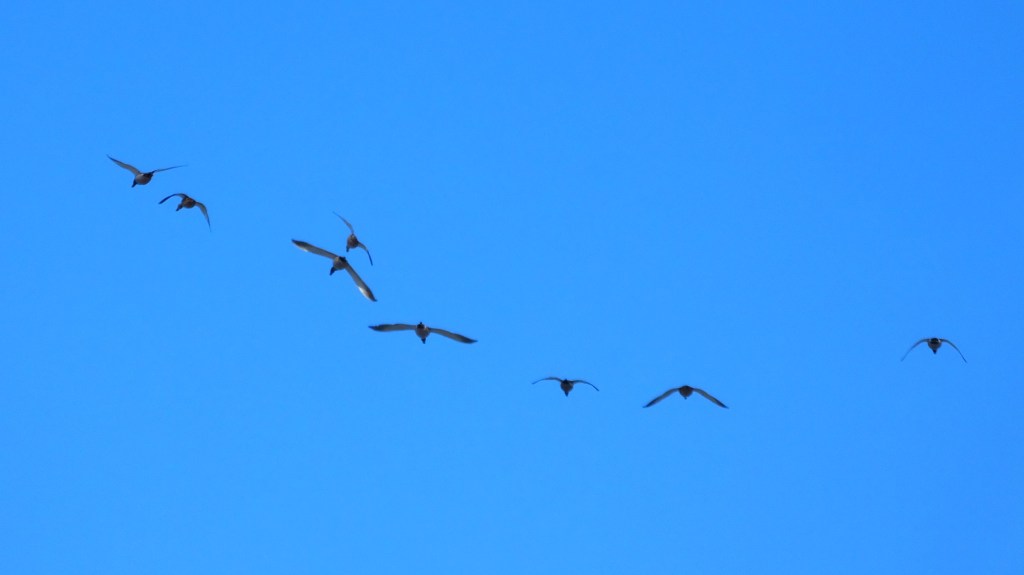
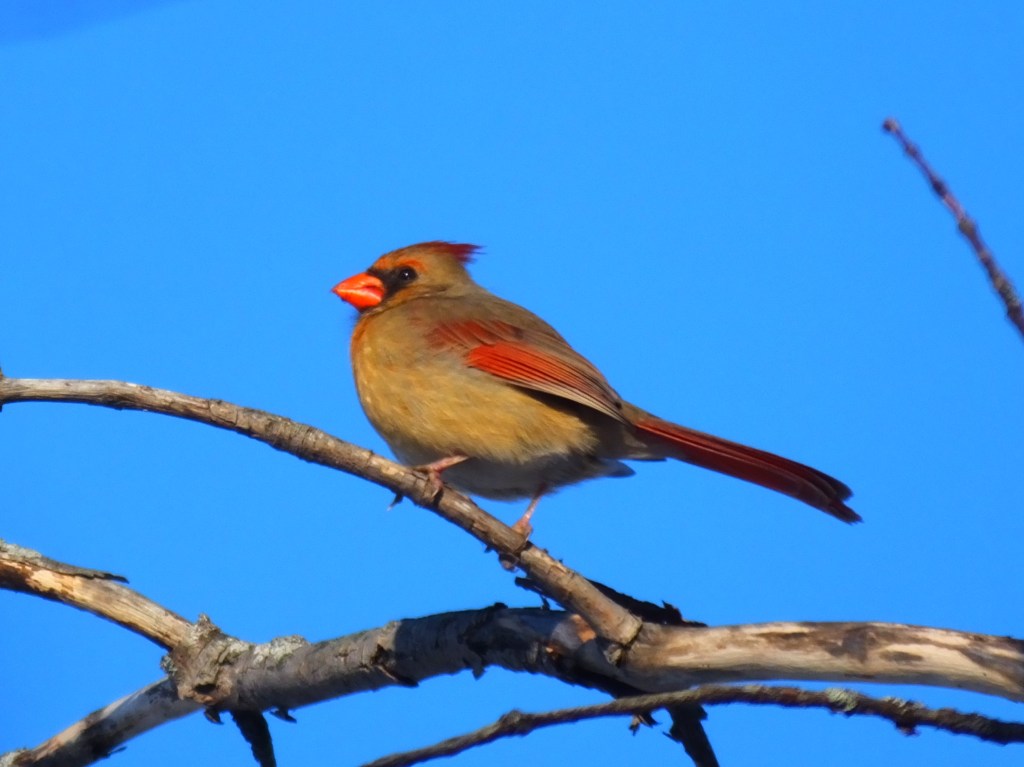
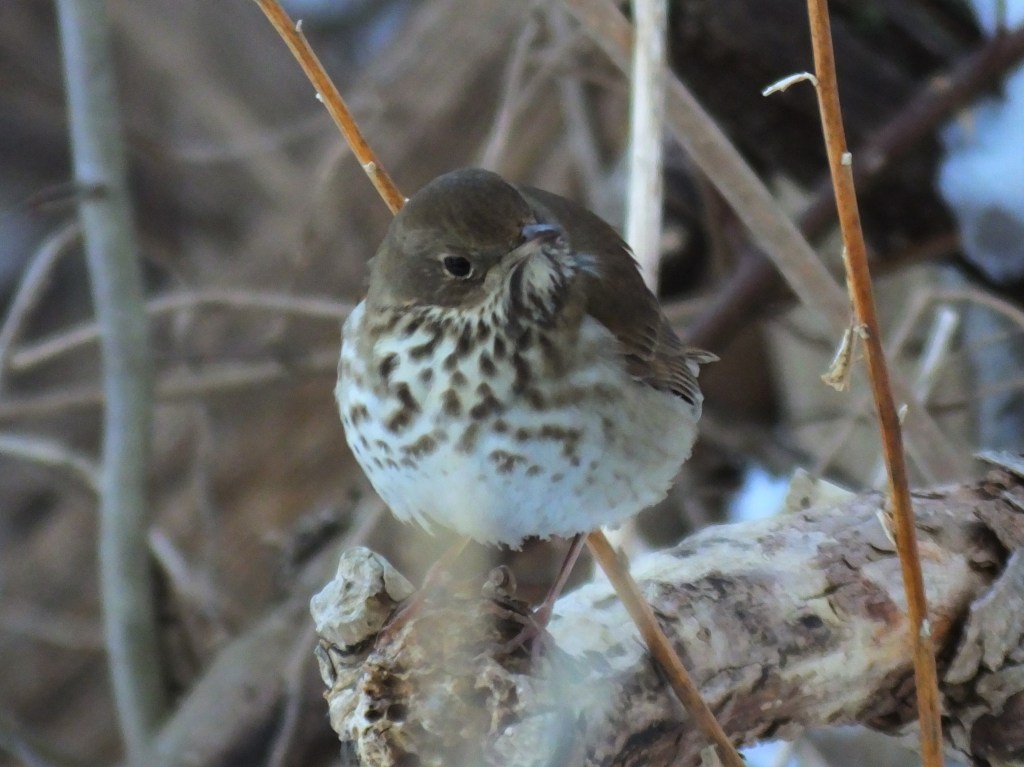
It was another gorgeous morning in the park with cool air, calm winds, and sunny skies. Most of the critters were laying low, it seems, and I didn’t see a single duck. There were at least 3 belted kingfishers, however, on the same branch as yesterday, but the pictures aren’t even as good, so I’ll spare you.

Instead, here’s yet another monarch butterfly, a female based on her lack of dark spots males have, on the northern parking lot soaking in a little morning sun to warm her bones. Ha ha. Just kidding. Butterflies are insects, and so have exoskeletons, not bones. They do, however, have muscles, which they need to warm up after a cool night for optimal performance. Monarchs also happen to be “foul tasting and poisonous due to the presence of cardenolides in their bodies, which the caterpillars ingest as they feed on milkweed.”

Okay, onto our first new arrival of the day. Say hello to spotted water hemlock, spotted parsley, spotted cowbane, or what the Iroquois call suicide root (Cicuta maculata), “a highly poisonous species of flowering plant in the carrot family” growing down by the river.

Next up is the relatively nondescript common nettle or stinging nettle (Urtica dioica), also growing by the river, which I only noticed after I rubbed up against it. The Pedia of Wik reports that it has “many hollow stinging hairs called trichomes on the leaves and stems, which act like hypodermic needles, injecting histamine and other chemicals that produce a stinging sensation upon contact (“contact urticaria”, a form of contact dermatitis).” A couple hours later and after a shower, I can still feel the sting along my left arm and leg. Yowza!

In keeping with the poison theme, the bald-faced hornets are adding to their nest by the pond, a bumblebee is feasting on a bee balm blossom, and a great black wasp is feasting on some Virginia or common mountain-mint. According to John Bartram, (March 23, 1699 – September 22, 1777) an early American botanisthorticulturist and explorer, “the sting of this wasp is painful.” Thanks, John, good to know.

Less poisonous, but equally striking are a grasshopper, perhaps an adjutant wainscot moth (Leucania adjuta) feeding on a purple coneflower, and a pile of lethargic millipedes, “characterized by having two pairs of jointed legs on most body segments.”

One more new plant growing along the river, which is also non-poisonous, is the joe-pyeweed, either spotted (Eutrochium maculatum) or hollow (Eutrochium fistulosum), both of which are a “larval host to the Clymene motheupatorium borer mothruby tiger moth, and the three-lined flower moth.”

Finally, I spotted another school of catfish, this time in the river.

Oh, before I forget, Anne and I went out for what might be our last look at comet Neowise last evening, and on the way were thrilled to see the aerial acrobatics of several bats for the first time this year. With the binoculars, we did see the comet, although it has dimmed, and also picked out a couple of Jupiter’s moons. All-in-all, it was a great night for observations.

Till next time…

A cool day in July…

It was a nice cool morning and a good thing that I could wear long pants and sleeves because man-o-man the mosquitos are getting thick out there! I sprayed insect repellent straight on my face after getting bit in my eyebrow! Luckily, I thought to close my eyes first. At least I stayed out of the water this time.

The light was better than yesterday, which helped me get a little better picture by the boat launch of the juvenile spotted sandpiper we saw yesterday.

After doing my best with the sandpiper, I heard the call of a belted kingfisher down stream, and I took a look just in time to catch this scene. That’s a male (upper left without a “chestnut belly band”) delivering a nice, big, fresh fish to a young female (lower right with a “chestnut belly band”). That’s a sweet father-daughter moment, eh?

I watched him deliver fish twice, and then I tried to move down river myself for a better shot. He called once in a while, but he never came back before I gave up. I did have a much better shot, but she seemed just as tired of waiting as I was. You know how teenagers get when waiting for food, right?

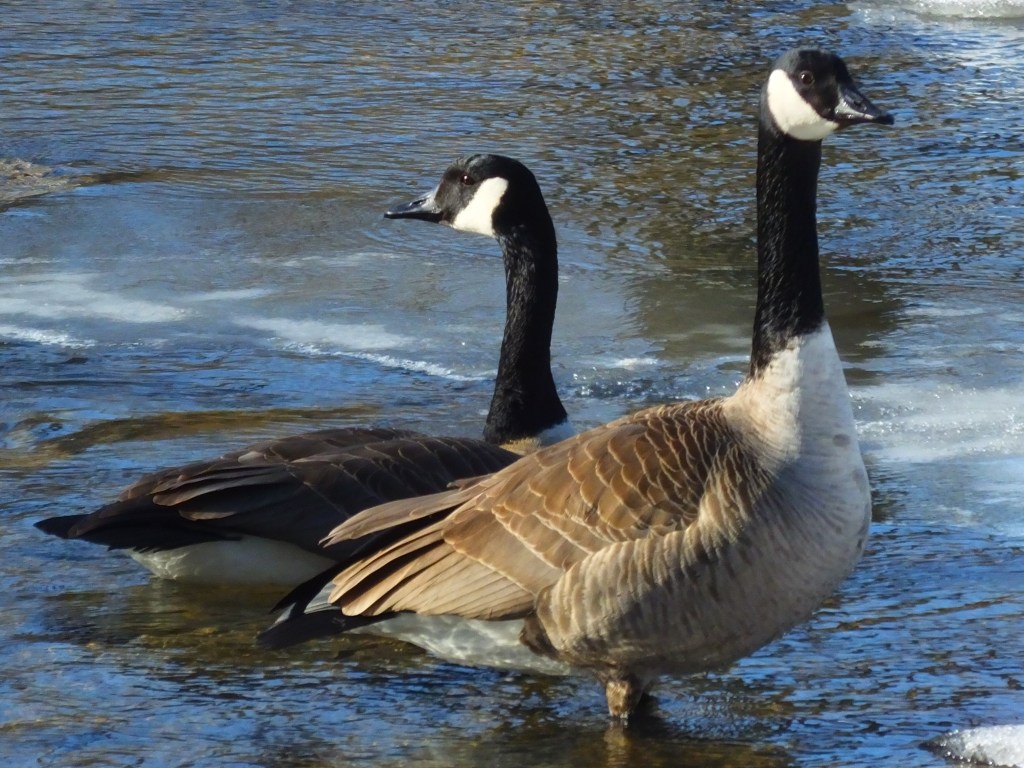
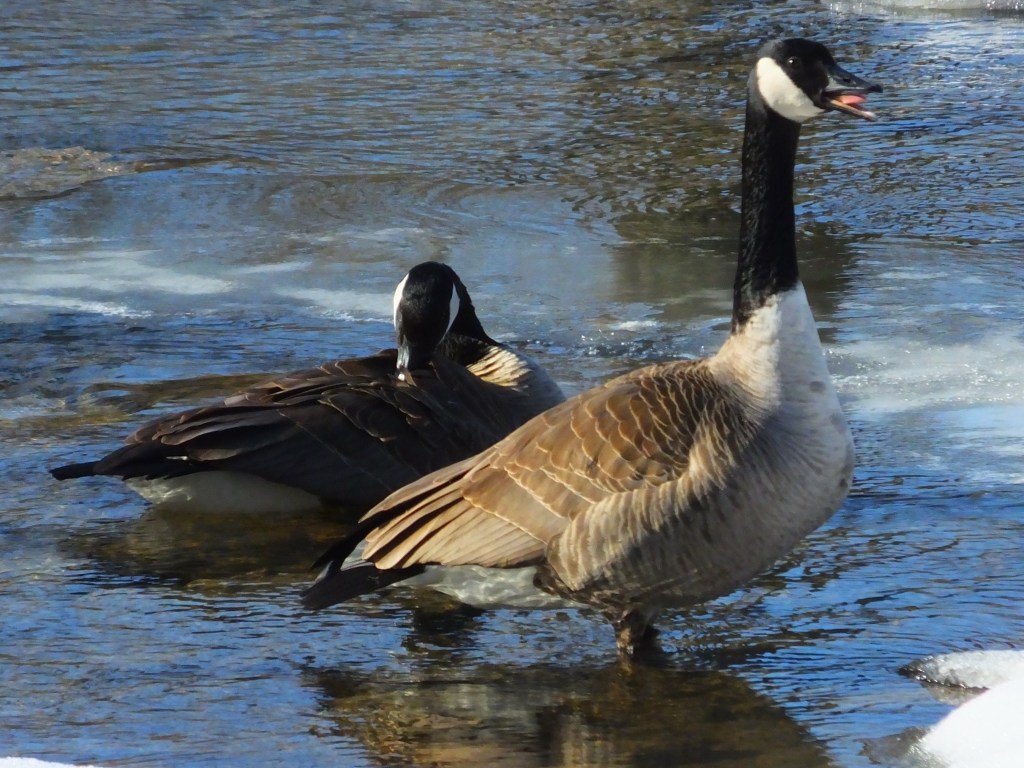
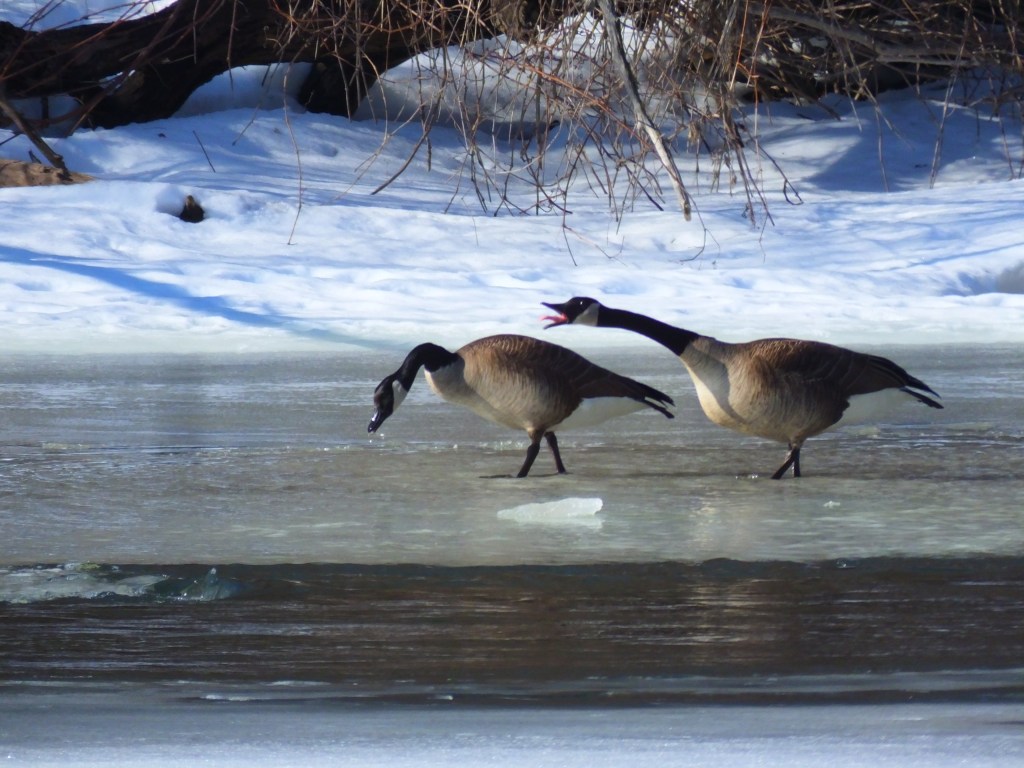
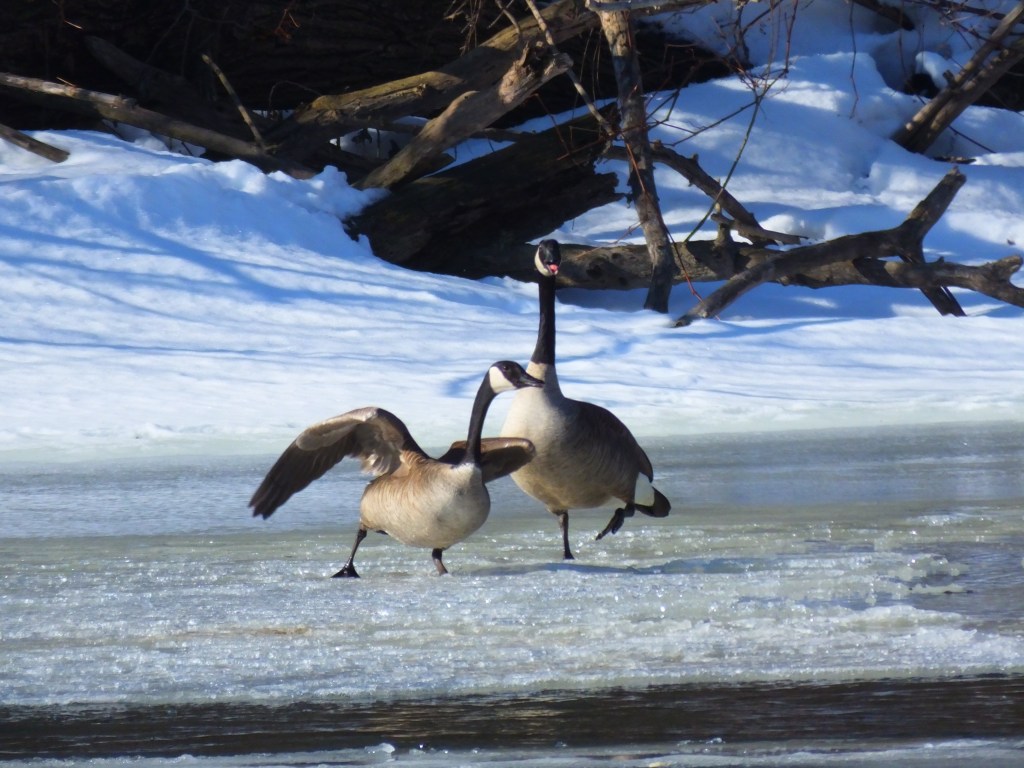
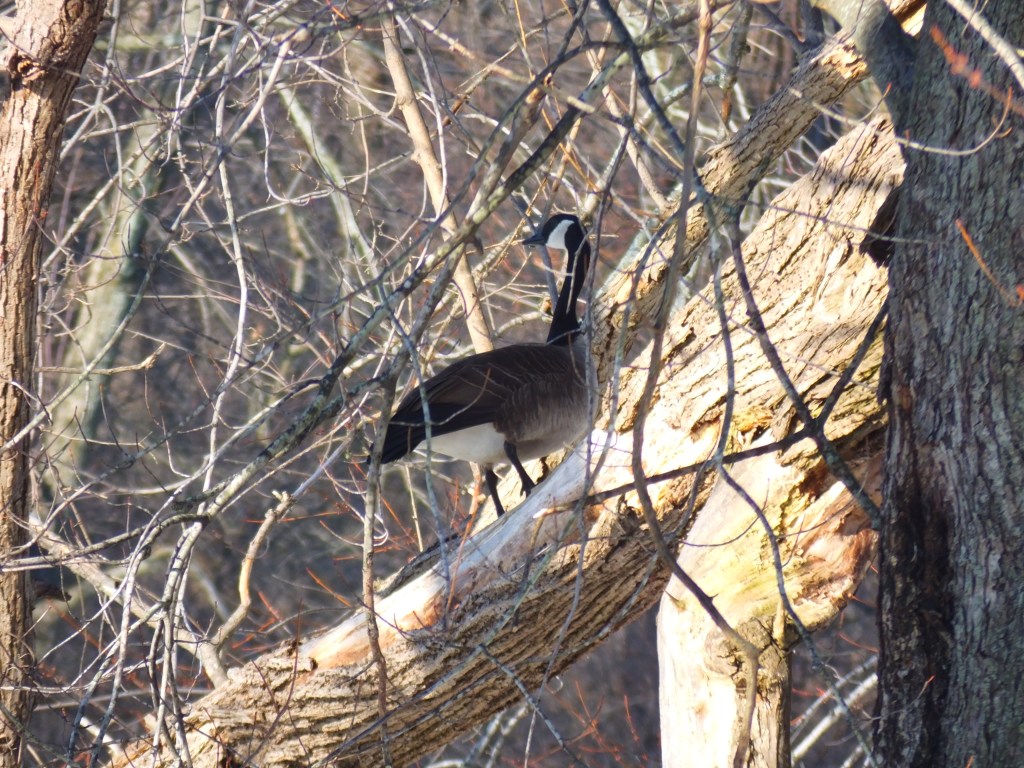
The good news is that I was treated to this spectacle for my troubles. Canada geese! Remember them?

Meanwhile, back on shore, the parade of blossoms continues. From left/top to right/bottom, we’ve got what appears to be fairy wand, blazing-star, devil’s bit, false unicorn, or helonias (Chamaelirium luteum) below the beer garden; and wild teasel (Dipsacus fullonum) by the boat launch, similar to but pinker than the cutleaf teasel (Dipsacus laciniatus) the we saw last week.

Common evening-primrose (Oenothera biennis) is blooming in several places, especially along the Oak Leaf trail; and tall hairy agrimony (Agrimonia gryposepala) is blooming along the river south of the falls.

Finally, these bees are really digging this sow thistle in bloom by the southern entrance from Wilson Drive.

Enjoy this break in the heat, because I hear it will be returning soon.

A morning of ups and downs in Estabrook

I’ll spare you the suspense and report that the biggest down was me falling into the river. Don’t worry! The camera is fine, and I’ll dry out. I did manage to get this picture, however, of the mallard hen with her two nearly-grown ducklings before I went in. We’ve seen them a few times before at the big mud flats down the bank from the southern playground.

I cleaned up as best I could and continued north until I came upon this pair of spotted sandpipers (Actitis macularius) on our side of the river for a change. On the left/top, without spots, appears to be a juvenile, and on the right/bottom, with spots, appears to be a breeding adult.

As I’m trying to get shots of these skittish birds, which we’ve been after for weeks, guess who shows up.

That’s right! The three mallards that watched me fall in just 10 minutes before. I guess they figure I must be completely harmless after that stunt.

Better yet, they marched right up onto the path and into the weeds on the east side. I eventually gave up on continuing north and backtracked to go around them. Little stinkers are getting bold!

Here’s mom keeping an eye on me while her kids have their second breakfast.

After the detour, I got back down to the river and spotted these pretty new flowers below the beer garden. On the right/top might be small-head blazing star (Liatris microcephala), a not-very-dense dense blazing star (Liatris spicata), or even prairie blazing star (Liatris pycnostachya); and on the left/bottom might be Virginia or common mountain-mint (Pycnanthemum virginianum).

I finally reached the oxbow pond north of the falls and found our mallard family with the yellow duckling, and this morning mom and all five ducklings are back together! Woo Hoo! Maybe junior just felt off and was self-quarantining for the day, eh?

Once they see me, well, then it’s bath time, of course, and after their bath, they march right up the bank, which is pretty steep at this point, and onto the path! What the heck did I step in this morning, besides the river, right?

Here’s the second mom this morning suggesting that I go around! What the heck is growing on the east side of the path today? Ducknip?

And there you have it. I sure am as glad as you all must be to see those five siblings back together again. Yay!

It seems some kids might not be alright…

First, the good news. A monarch butterfly seemed to really enjoy that eastern purple coneflower (Echinacea purpurea) on which we saw a green inchworm just yesterday.

A few birds seem much more willing to pose for a picture recently. From top/left to bottom/right, we’ve got an American goldfinch, who we last saw on some Canada thistle; what appears to be an juvenile eastern phoebe, whose elders I’ve never seen sit still for so long; and our new best buddy, the indigo bunting, showing off his blue wings this time so we know for sure he’s not a blue grosbeak.

Those  dryad’s saddle, aka pheasant’s back (Cerioporus squamosus) that were “in the “pig nose” stagejust three days ago sure have grown!

Finally, the sad news. The wood duck hen was by herself on the pond again this morning, and of the five mallard ducklings, including the yellow one, only four remain. 😢

So it goes, I guess. Perhaps that the price for having minks.

Still no wiser…

Our top story today is that Anne took me out to the south parking lot of Estabrook Park to see the Neowise comet last evening, and we found it pretty easily with the help of some binoculars, right below the big dipper as advertised. That’s the first time I’ve seen the tail of a comet with my own eyes, and I highly recommend it.

Meanwhile, this morning in the park, there was a sole wood duck hen on the pond but no duckling, and we all hope against hope that the duckling was just elsewhere, right? And ha! Check out the frog photobombing our picture that I only just now noticed.

The family of mallards with the one yellow duckling were on the oxbow pond by the river, and that yellow one really seems to like staying in the water long after mom and the four siblings have hit the weeds. It will be fascinating to see what it gets for adult coloration, eh?

The indigo bunting (Passerina cyanea), in the wildflower meadow by the river, is perhaps becoming less annoyed by my presence.

A tiny, bright green inchworm was checking out what looks to be an eastern purple coneflower (Echinacea purpurea) on the steep slope from the beer garden down to the river.

A bumblebee was hard at work on the newly opened blossom of what appears to be a spear thistle, bull thistle, or common thistle (Cirsium vulgare), “the national flower of Scotland.”

A cabbage white (Pieris rapae) was taking its time with a common dandelion (Taraxacum officinale) blossom.

Finally, some bald-faced hornets (Dolichovespula maculata) are expanding a nest in the little fruit tree on the northeast lawn of the pond. Sorry, but I’m not getting any closer.

And that rounds out today’s top stories. I wonder what tomorrow will bring.

A good Sunday for laying low…

It’s another hot and humid day in the park. The sky keeps threatening, but the rain has left the Farmers market alone for now.

The ducks are taking the day off, and the painted turtles (Chrysemys picta) seem to be in no mood.

The tiger lilies, aka tawny lily (Hemerocallis fulva) are open along the west edge of the police station parking lot, which is close enough to the park, eh? One has attracted, what appears to be, a young, hence the very short wing stubs, curve-tailed bush katydid (Scudderia curvicauda). The lilies are invasive, but dang, those colors, am I right?

The native self-heal (Prunella vulgaris) has attracted what appears to be a white spring moth (Lomographa vestaliata), and the wild bergamot, aka bee balm (Monarda fistulosa), which is also native and blooming like crazy along the Oak Leaf trail, has attracted a fast-moving snowberry clearwing moth (Hemaris diffinis).

A young blue jay (Cyanocitta cristata) is busy alternating between crying to be fed and tasting everything in sight to see what might be good to eat.

Finally, a young robin (Turdus migratorius) has found some relief from the heat.

Stay cool out there.

The kids are alright.

First things first, since I know you’re worried, all the ducklings looked hale and hearty this morning: the single wood duck on the pond, two broods of five mallards each on the oxbow pond, and one brood of two older mallards on the river south of the falls.

The wood duck hen even snagged another frog! I’ve been watching the wood ducks on the pond since March, and man, she sure had me fooled.

Once again, the younger brood of five seemed skittish, heading for the hills as soon as they see me, and the slightly older brood with one yellow duckling seemed to like posing for the camera.

Also looking fine this morning was our old friend, the great blue heron. After I startled him twice (by accident!) as I just walked along the river trail, he finally moved to the far side of the river, where he seemed able to ignore me and concentrate on his fishing.

Even the little sandpiper was out and running around on the far riverbank.

There’s a funky-looking new mushroom growing out of the side of a tree on the riverbank. Apparently, this is what dryad’s saddle, aka pheasant’s back (Cerioporus squamosus) looks like when it is young, tender, and “in the “pig nose” stage.”

Finally this splendid common toadflax, yellow toadflax, or butter-and-eggs (Linaria vulgaris) is blossoming at the top of the wall beside the falls. I read that “because the flower is largely closed by its underlip, pollination requires strong insects such as bees and bumblebees.” They are in the same family, plantain (Plantaginaceae), as snapdragons (Antirrhinum), but the Linaria genus is distinct and commonly called toadflax instead.

And there you have it. It’s supposed to be a scorcher out there today in the upper Midwest so be forewarned if you venture out. The humidity is high, and the sky is even hazy, so I feel like a kid again enjoying the classic “hazy, hot, and humid” from my youth in Ol’ Conn.

Waterfowl abound!

I am thrilled to report that the wood duck hen and her duckling continue to look like they are thriving on the pond. I saw them both yesterday afternoon and again this morning, and both times, mom repeated her trick of snagging something nutritious right out of the water. The entré in the image below appears to be fish, maybe bluegill. The Pedia of Wik claims “they mainly eat berries, acorns, and seeds, but also insects, making them omnivores,” but it appears an update may be warranted, eh?

Meanwhile, the river continues to provide new surprises, at least to me. Below are a mallard with her two, quite grown-looking ducklings taking a break on a sunny afternoon and a painted turtle sporting much less algae than the one we saw Sunday.

The plant world is also keeping up its pace with new blossoms from what appears from afar to be swamp milkweed (Asclepias incarnata), a native on the river bank, and lesser burdock (Arctium minus), which is not native, unfortunately, but at least its “leaves, leafstalks, roots and flower stalks are all edible when prepared correctly.”

Another invasive species in North America, I am sad to report is the magnificent cutleaf teasel (Dipsacus laciniatus), “that may grow up to two to three meters” tall, and “rain water can collect in the cup-like receptacles that form where sessile leaves join the stem; this structure may perform the function of preventing sap-sucking insects such as aphids from climbing the stem. A 2011 experiment has shown that adding dead insects to these cups increases the seedset of teasels (but not their height), implying partial carnivory.” Yikes!

Finally, it’s time for the reader photo of the week, sent in by my very own sister, Deb, who spotted a pair of swans, probably mute swans (Cygnus olor) given their location, with their four cygnets on a reservoir in Connecticut. Deb used the fancy term cygnets because she is in fact a trained, licensed, and practicing veterinarian, whereas I merely play a naturalist on the interwebs. I read that “the mute swan is one of the heaviest flying birds,” and “one unusually big Polish cob weighed almost 23 kg (51 lb) and this counts as the largest weight ever verified for a flying bird.” Also, “the white cygnets have a leucistic gene.” So there.

And that’s all I’ve got for you today. Be sure to tune in tomorrow for the next exciting episode of Signs of Life in Estabrook Park!

Double the excitement!

It’s a banner day on the pond, boys and girls, so let’s get right to the main event!

That’s right! Mrs. Wood Duck has a duckling, and it appeared quite energetic this morning. I read that “they usually nest in cavities in trees close to water, although they will take advantage of nesting boxes,” and I would be fascinated to know just where she managed to pulled this off right under our noses. That makes our third hatching, if you’ve been counting: first the goslings at the end of April, then the mallards at the beginning of June, and now wood ducks in July.

But wait. There’s more!

Yup, Mrs. Wood Duck also eats frogs, a behavior that I have not witnessed until this morning. In fact, she was heading for cover with her duckling when she stopped to grab this little bite, and it took her quite a while to choke the hapless critter down. The duckling occupied itself by tasting everything in sight while mom was busy.

Will wonders never cease? Just when you think you know somebody, they go and surprise the heck out of you, right?

Meanwhile, down on the oxbow pond by the river, the mallard ducklings have gotten so used to me that when I startled them from their nap by accident, they merely paddled about 10 feet away and fell right back to sleep!

I’m beginning to think that looking harmless may be my superpower, and man-o-man, I sure felt like I needed a superpower yesterday afternoon. I was just walking along the river trail when I encountered another giant ichneumon wasp (Megarhyssa atrata), and this one was quite alive! After I chased down my skin and climbed back inside, I tried to get a picture, I really did, but there’s something about a wasp that looks like it’s sporting a cardiac needle that dissuaded me from getting close enough.

Another thrilling aerial performance was going on over the falls when I arrived: a squadron of cedar waxwings was flying sorties out over the water catching bugs. At first I thought they were swallows, of whom I’d love to get a picture, but that was not the case. These meager images don’t do the scene justice, of course, but you can just make out the bright yellow band at the tip of their tail feathers, and their display was much more brilliant when in flight.

Finally, in keeping with this morning’s bird theme, this little house wren was belting out his tune by the wren house at the south end of the pond. If this were a Disney movie, he’d be announcing the debut of the heir to the throne of the pond.

And there you have it. Wonders simply will not cease.

Some birds put on a show…

I finally got that nice shot of an indigo bunting (Passerina cyanea) I’ve been after for months. He was by the canoe/kayak launch and pretty high up, so still not super crisp, but you can see the little glint of his eye, which suggests that he’s at least in focus. Even the background isn’t too bad.

Best of all, he was giving singing lessons: 1. stretch, 2. puff up your chest, 3. let ‘er rip!

Speaking of the boat launch, I startled yet another family of mallards there yesterday afternoon, and they booked it out across the river before I could explain that I’m harmless. The trip looked a bit arduous for the little ones, just as it did for the goslings months ago.

While I was keeping an eye on their progress, I spotted the sandpiper across the river again. Best or worst of all, while I was there watching the birds, a small dark brown varmint trotted across the boat launch almost over my toes. If I had to guess between a stoat, mink, or muskrat, I’d go with mink (Neovison vison) because I didn’t see any of the white fur that a stoat sports, and it looked slimmer and sleeker than a muskrat.

Anyway, that new mallard family, or its spittin’ image, was at the oxbow pond this morning, and as soon as the little ones spotted me, they booked it for the river again, as you can see in the blurry image below (top/left). Even wilder, though, the family with the one yellow duckling, which we’ve seen many times now, were already at the river (center), and they headed straight towards me once they saw me, like we were old buddies, while the first family looked on in disbelief from a safe distance (bottom/right). It sure was a hoot to watch, though, with lots of waddling.

Meanwhile, there are also several new blossoms in the park that I simply can’t identify. The first (top/left) looks like either a phlox or a catchfly, but I can’t tell which. The other two are complete mysteries. Can anyone help me out? (See comments below for some fantastic suggestions already!)
Finally, you may be as stunned to learn as I am that there are two different tree-like sumac species in the park: smooth sumac or white sumac (Rhus glabra), which had white blossoms, bloomed first, and is done blooming now; and staghorn sumac (Rhus typhina), which has red blossoms, bloomed second, and is still in bloom. Good thing is that neither are poisonous, right?

Well, it’s time to quit playing with this and go pay my taxes. I’d better not put it off another day, eh?