When I left the house this morning, the forecast was calling for less than a 50% chance of rain, but I sure got more than 50% soaked. Given that this was on track to be our driest May ever, I guess that I should say “we needed the rain”, but couldn’t we have needed it before sunrise?
Anyway, before the rain came, I was thrilled to spot this wild turkey strutting across the southern soccer fields.


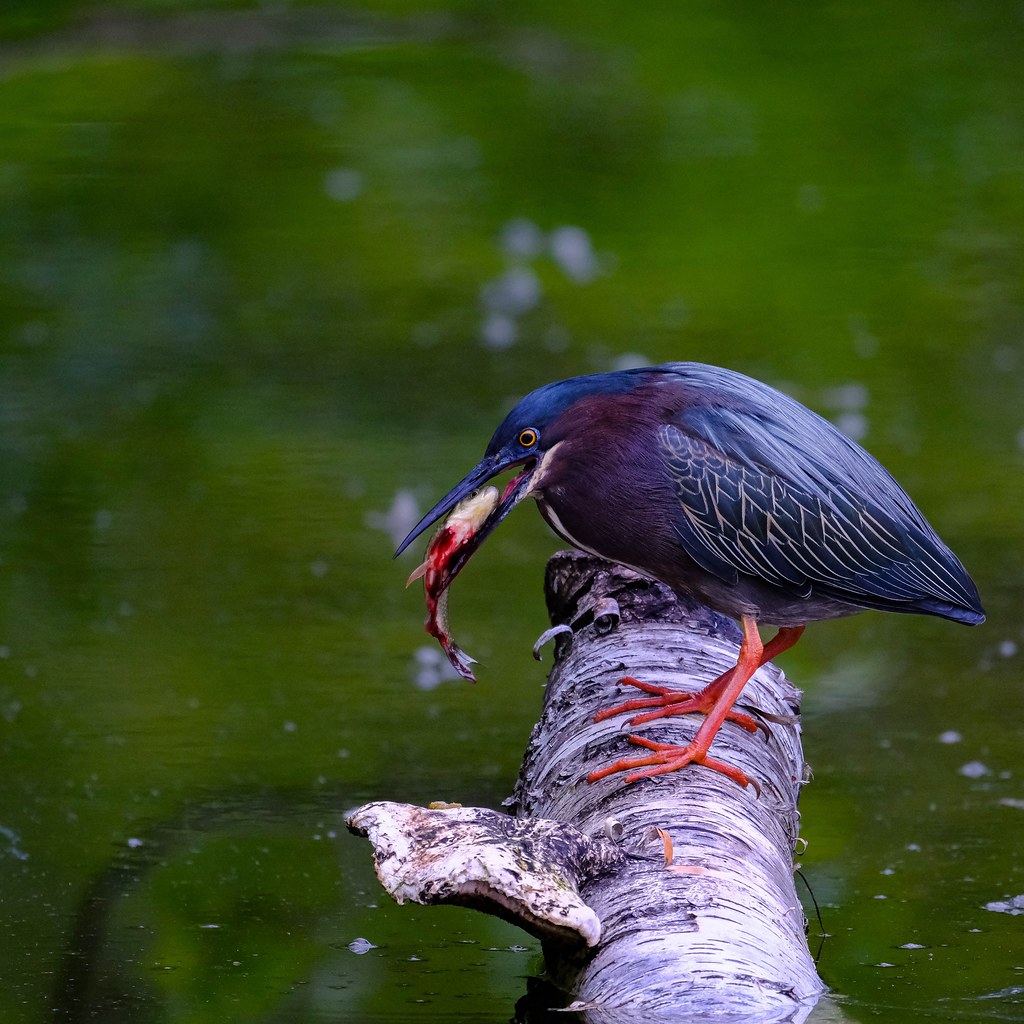
Much more common, but no less thrilling, was this green heron on the pond. The heron was able to up its game, however, by reeling in this fish while I watched.

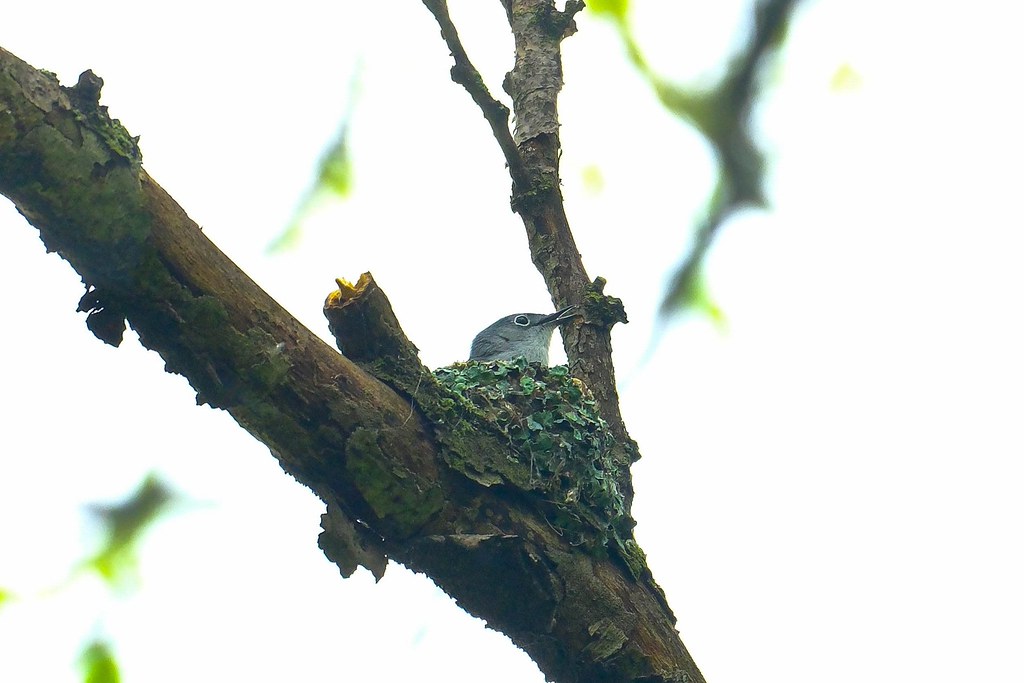
Then the rain started, and just in time for my ride up to Kletzsch Park to meet the Milwaukee Birders. Luckily, they announced a rain delay, so I had time to scoot over to a nearby gas station to savor a cup of coffee and dry out a bit. Happily, the rain did soon quit, there was a nice turn out for the walk, and one of the most exciting finds was this blue-grey gnatcatcher sitting in its nest.

Barely fifty yards from the gnatcatcher, Kletzsch Park delivered again with this adorable screech owl.


That’s it for the pictures today, and I’m surprised I even have that many, given the weather. On the plus side, it does leave me a little room to continue chipping away at the pile of recent trip pictures I still have, so here are a few more from the Korsman Bird Sanctuary.
This first pretty face belongs to a spur-winged goose (Plectropterus gambensis), and I read that “they are among the largest true African waterfowl (besides the wading Goliath heron) and are, on average, the world’s largest “goose”.” As for the bald face, I read further that it acts as a mating display, a maturity marker, an excess heat radiator, and something easier to clean than feathers for a bird that regularly digs into mud for tubers.


As luck would have it, this next bird, a heron with reddish and blueish parts, is just such a Goliath heron (Ardea goliath), “the world’s largest living heron.” They are, on average, twice as heavy as the great blue herons we often see in Estabrook Park.


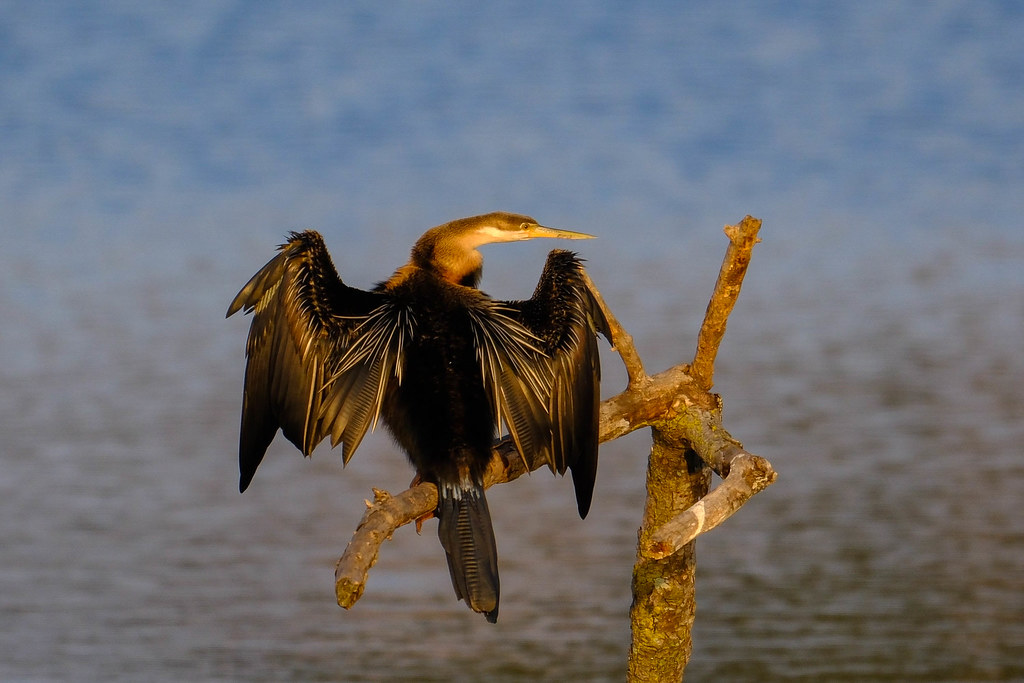
Finally, here’s an African darter (Anhinga rufa) and close cousin to the Anhinga we most recently saw in Florida.

Welp, I’d better wrap this up so I can get out and enjoy some of the nice weather that has finally arrived, but before I go, let me point out that I will be at the beer garden parking lot tomorrow morning at 7am and again at 8am for our weekly wildlife walk. With an easing of the wind out of the north, it felt this morning as though warblers have started to continue their trip north, but they certainly haven’t all left yet, so this might be your last best chance to see them. Also, the winds are supposed to be pretty light, the temps pretty mild, and the skies clear, so the odds are that you won’t get soaked.

