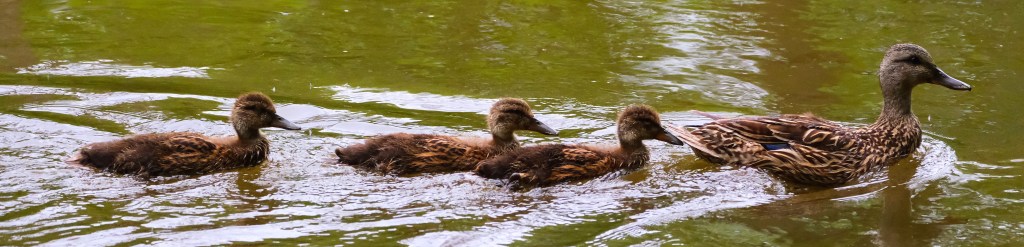
The parade won’t stop, can’t stop…

On this beautiful day in April, we’ve got something for everyone.

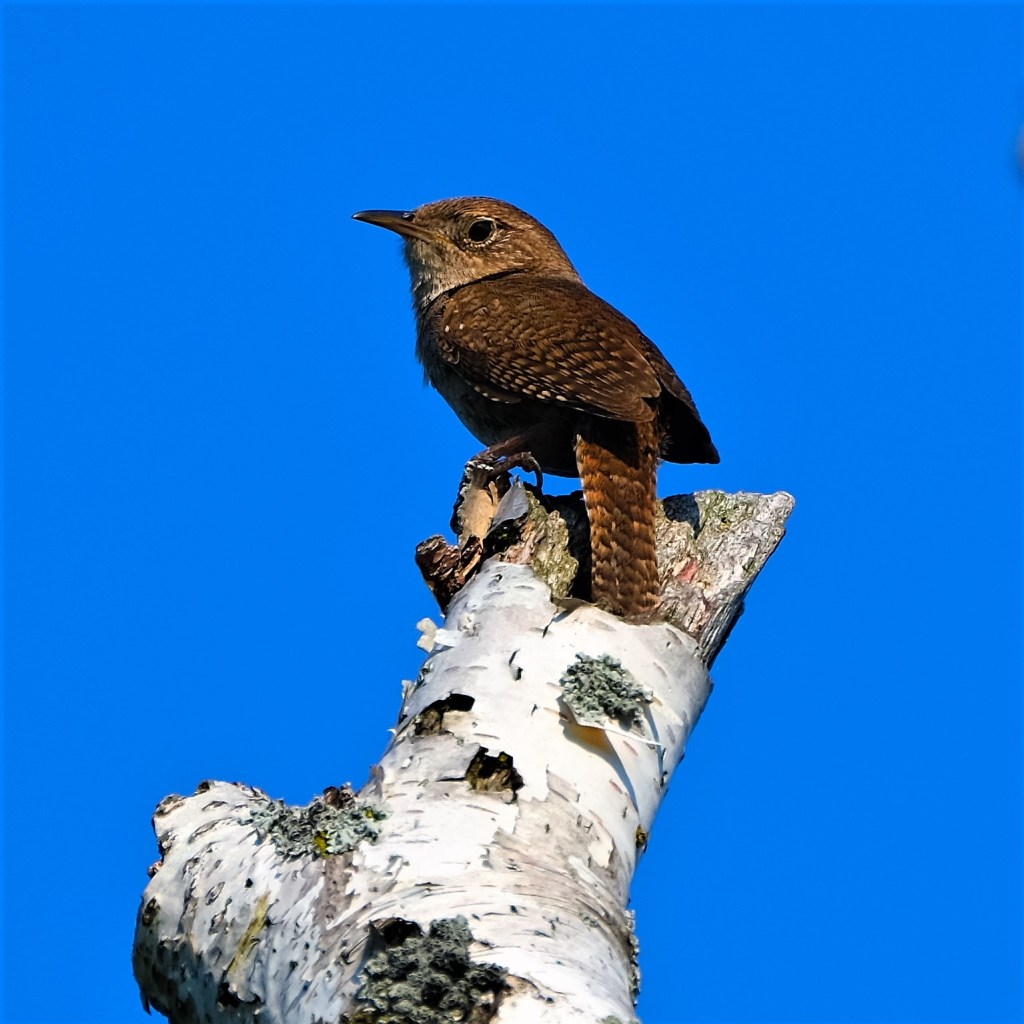
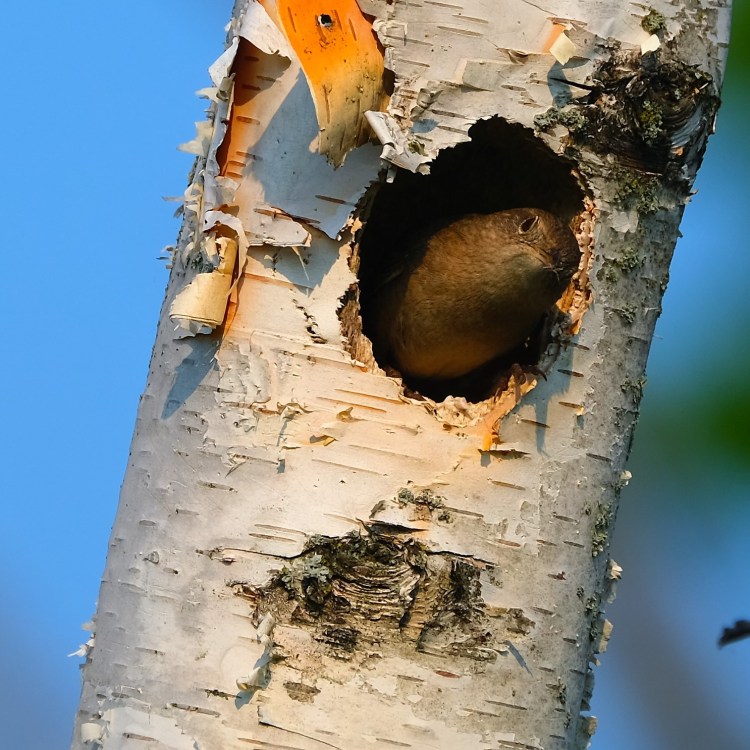
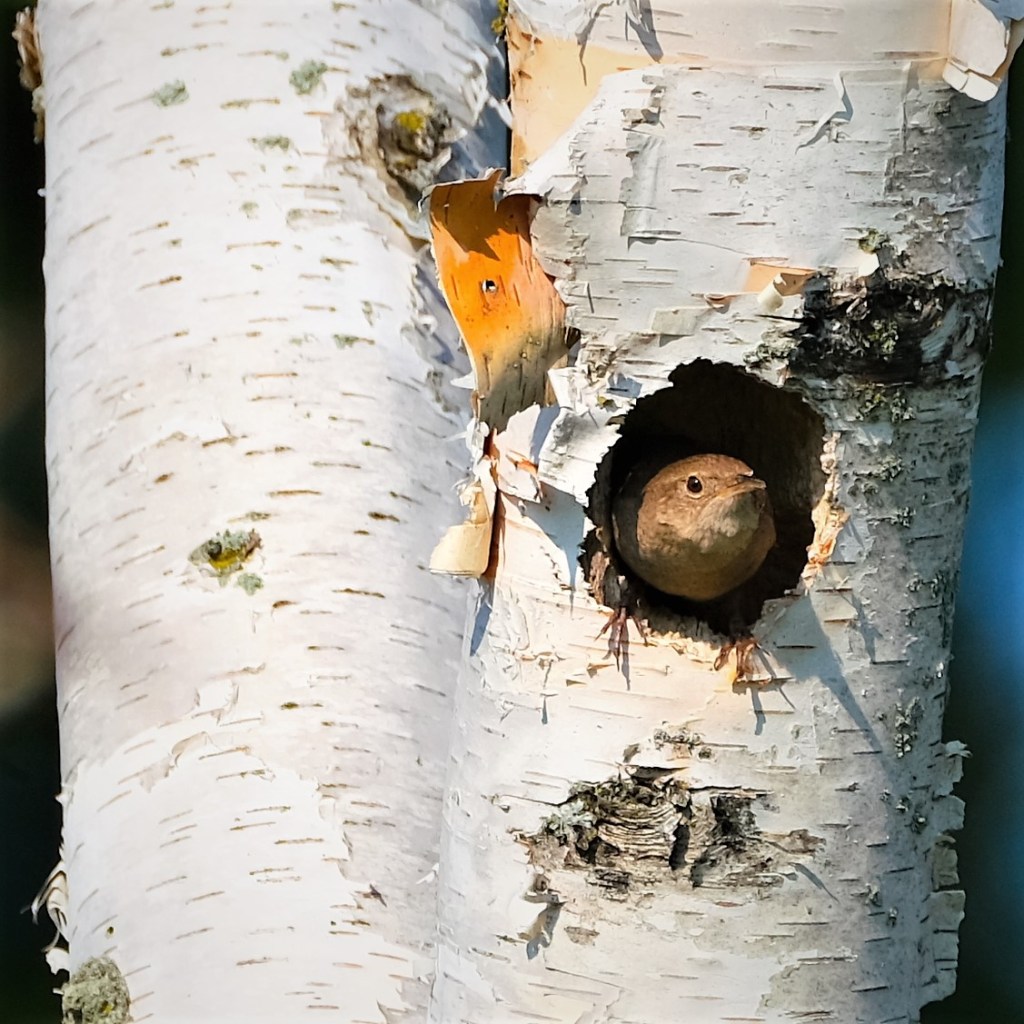
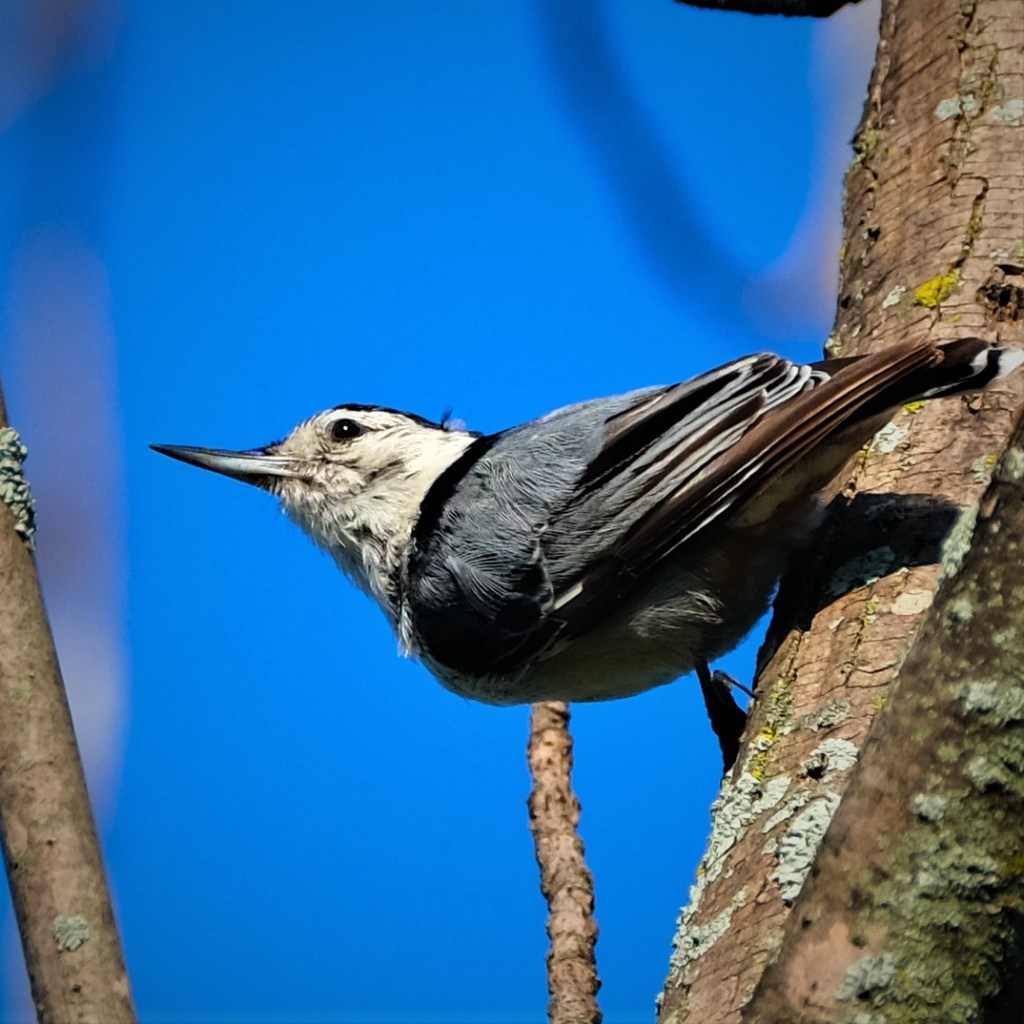
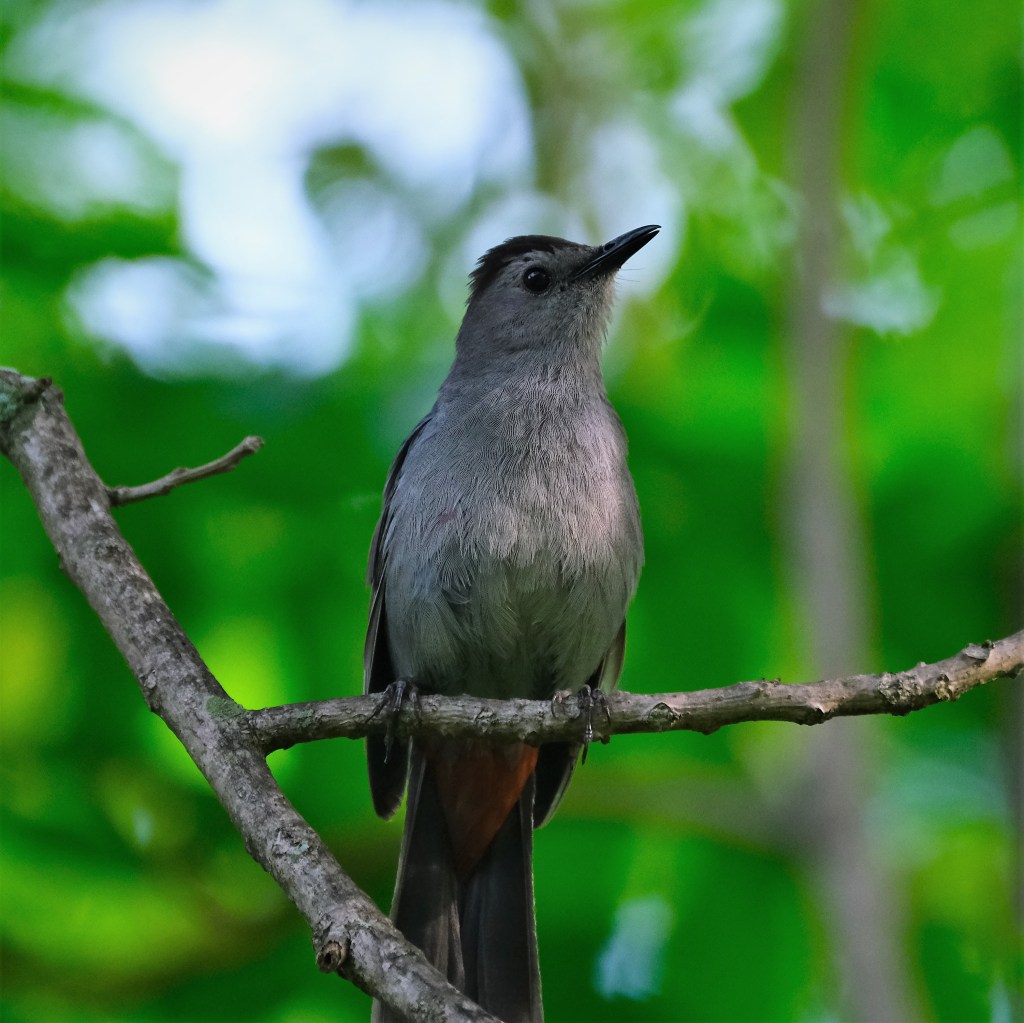
Like pictures of cute little birds, especially ones we haven’t seen before? Here you go! Check out this little winter wren (Troglodytes hiemalis), cousin to the house wren we saw by the pond last summer, on its way to its breeding grounds just upstate. It stopped by to say hi as I was walking along the river trail.

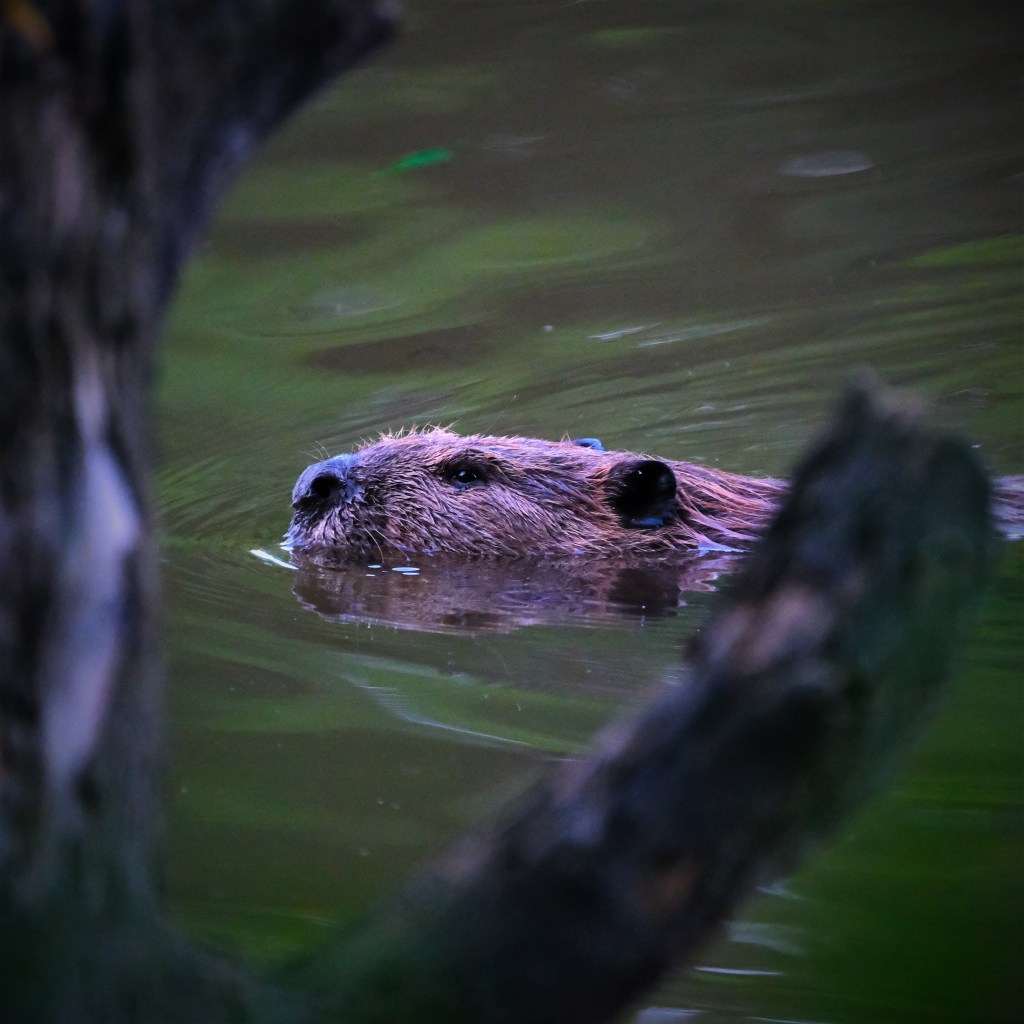
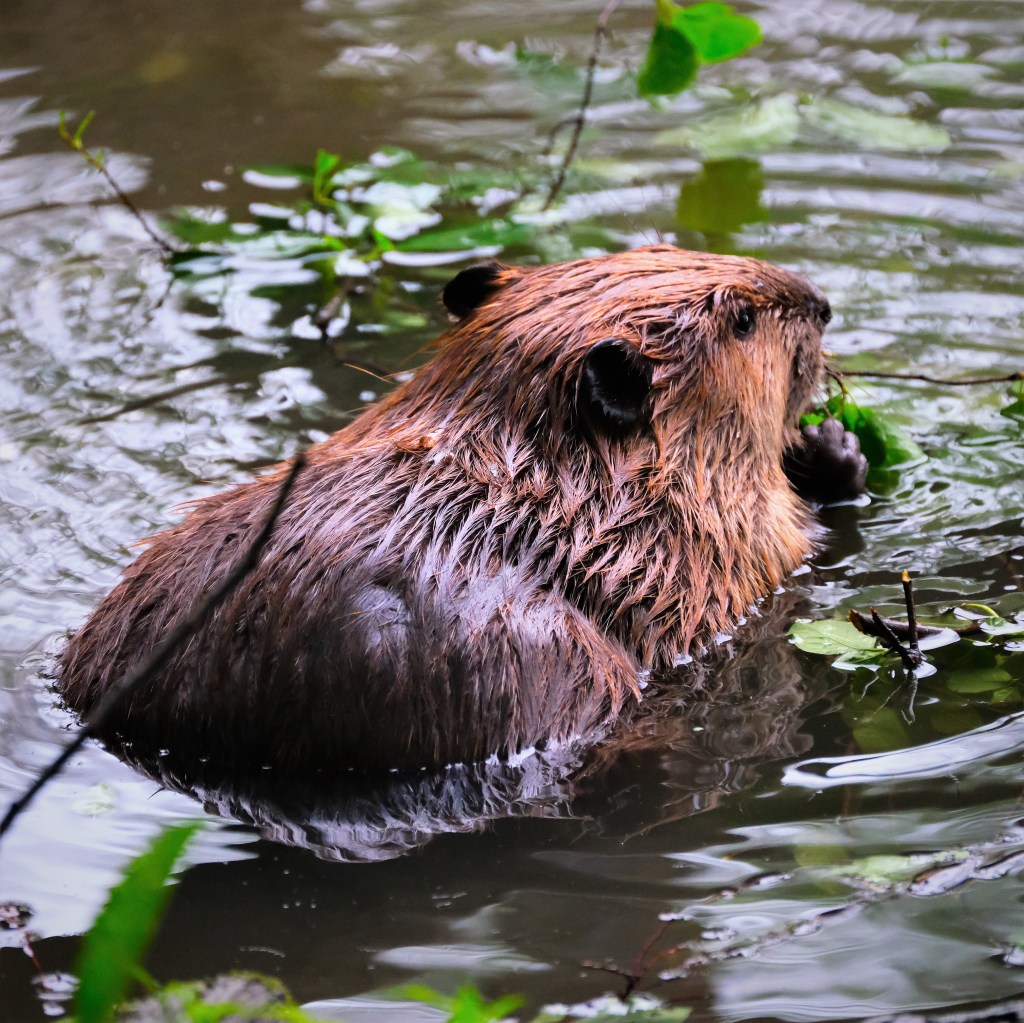
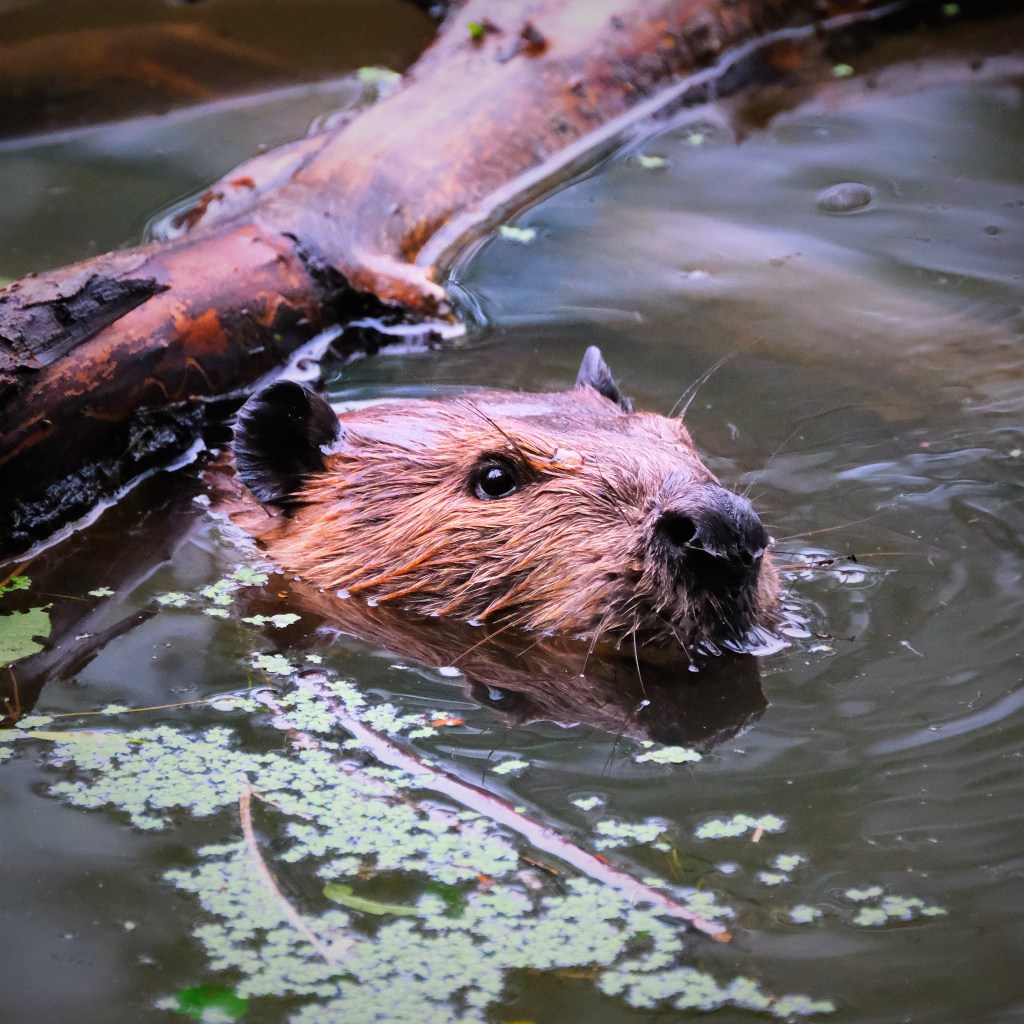
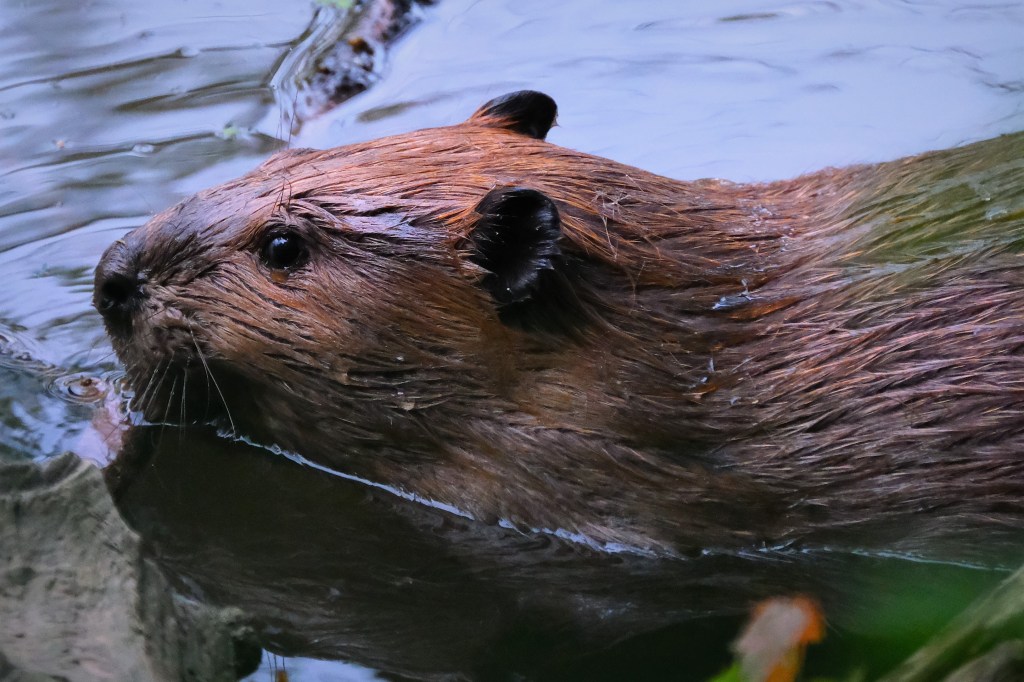
Like picture of mammals, especially our elusive beaver? Here you go! There were two of them, swimming south from the old bridge abutment, and I flubbed the picture of the first one, but this second one politely waited until I was all set before it swam past.

Like picture of exotic-looking water fowl? Here you go! I spotted these blue-winged teals (Spatula discors) off the southern tip of the northern island.

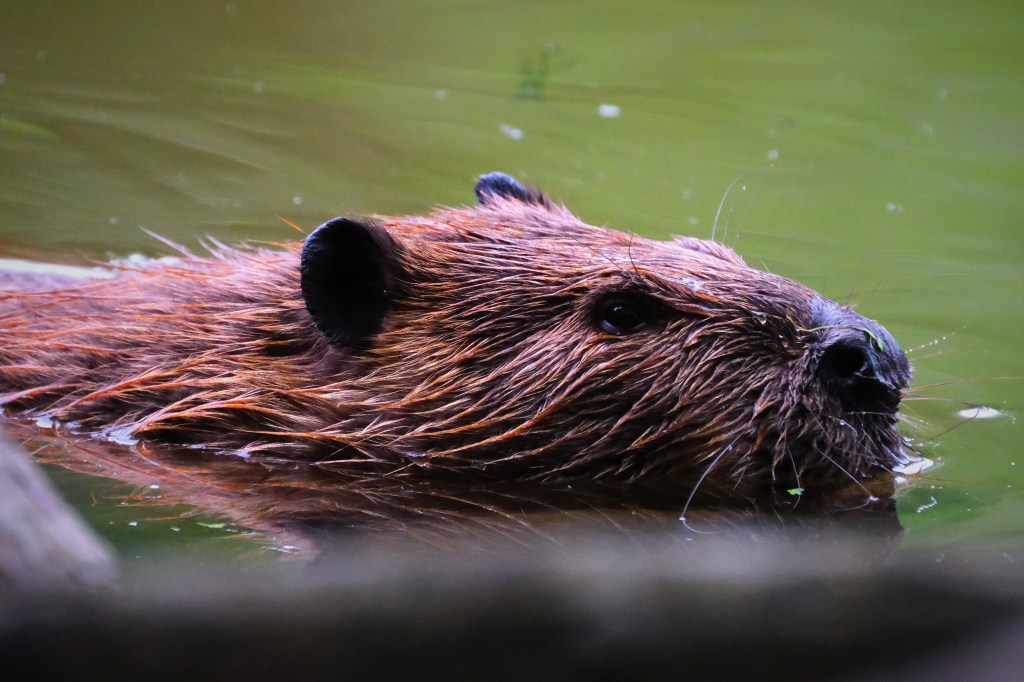
Like action shots? Here you go! As I was hoping the second beaver would swim past, these two came gliding in because why not. Right?

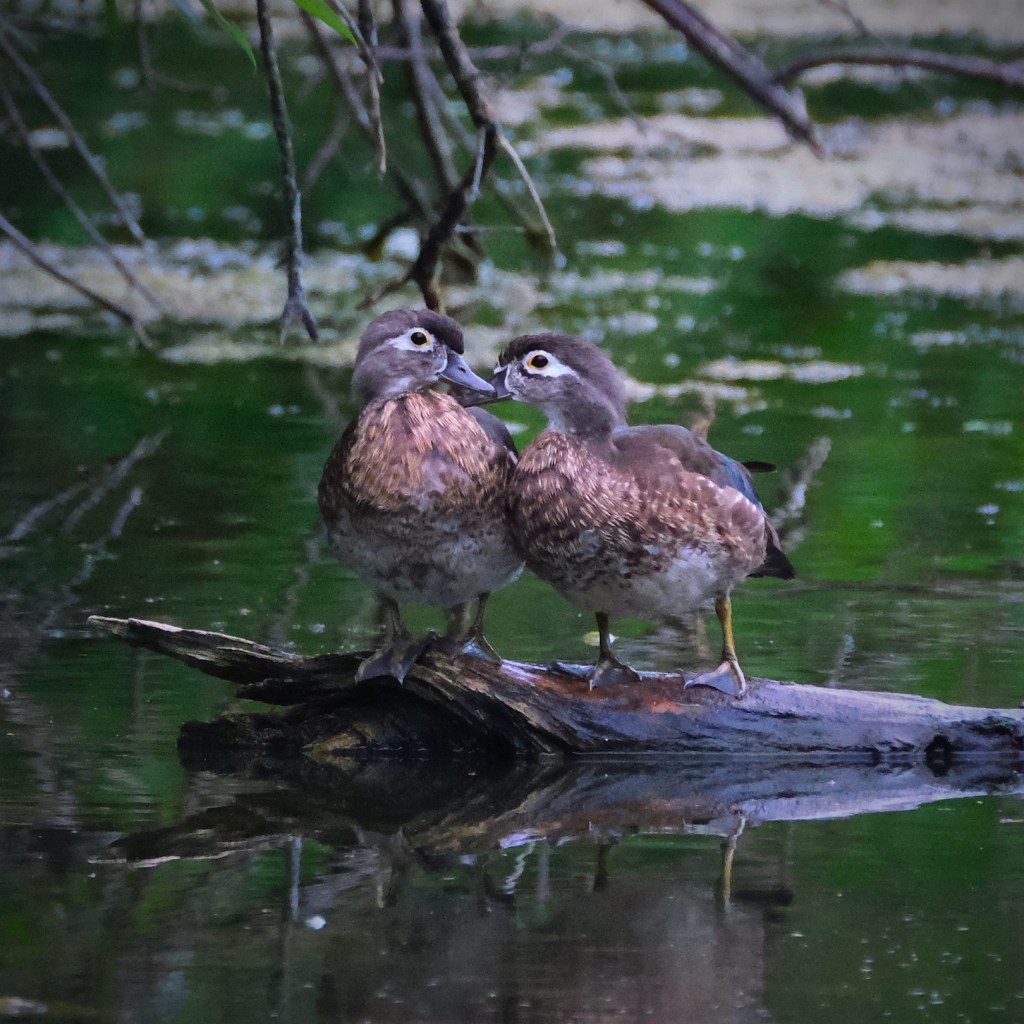
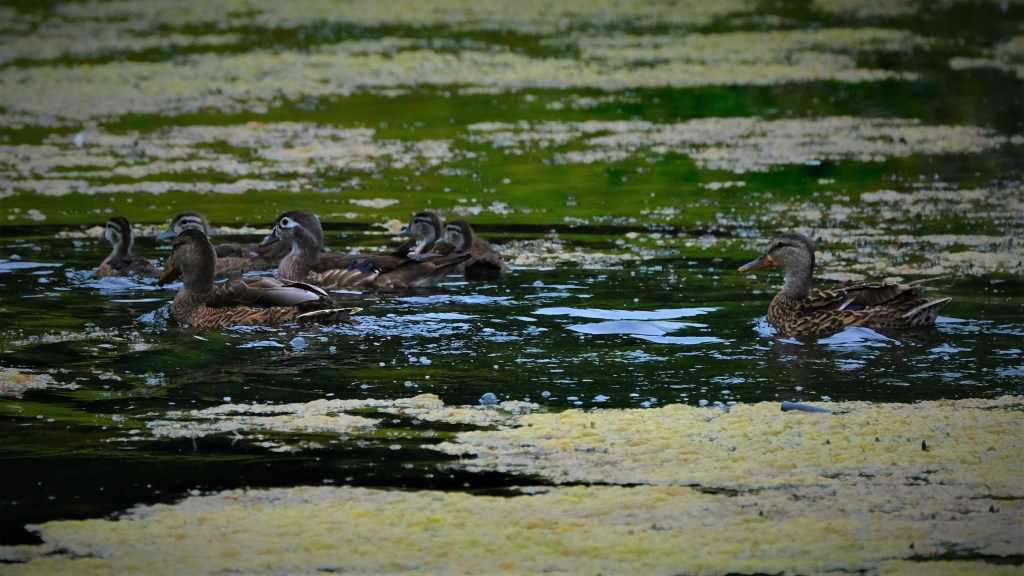
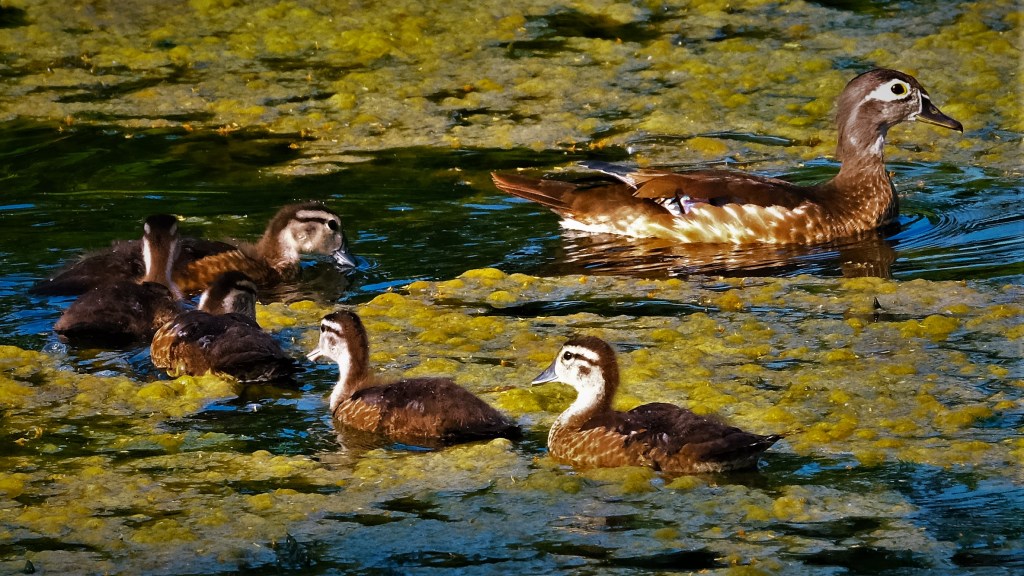
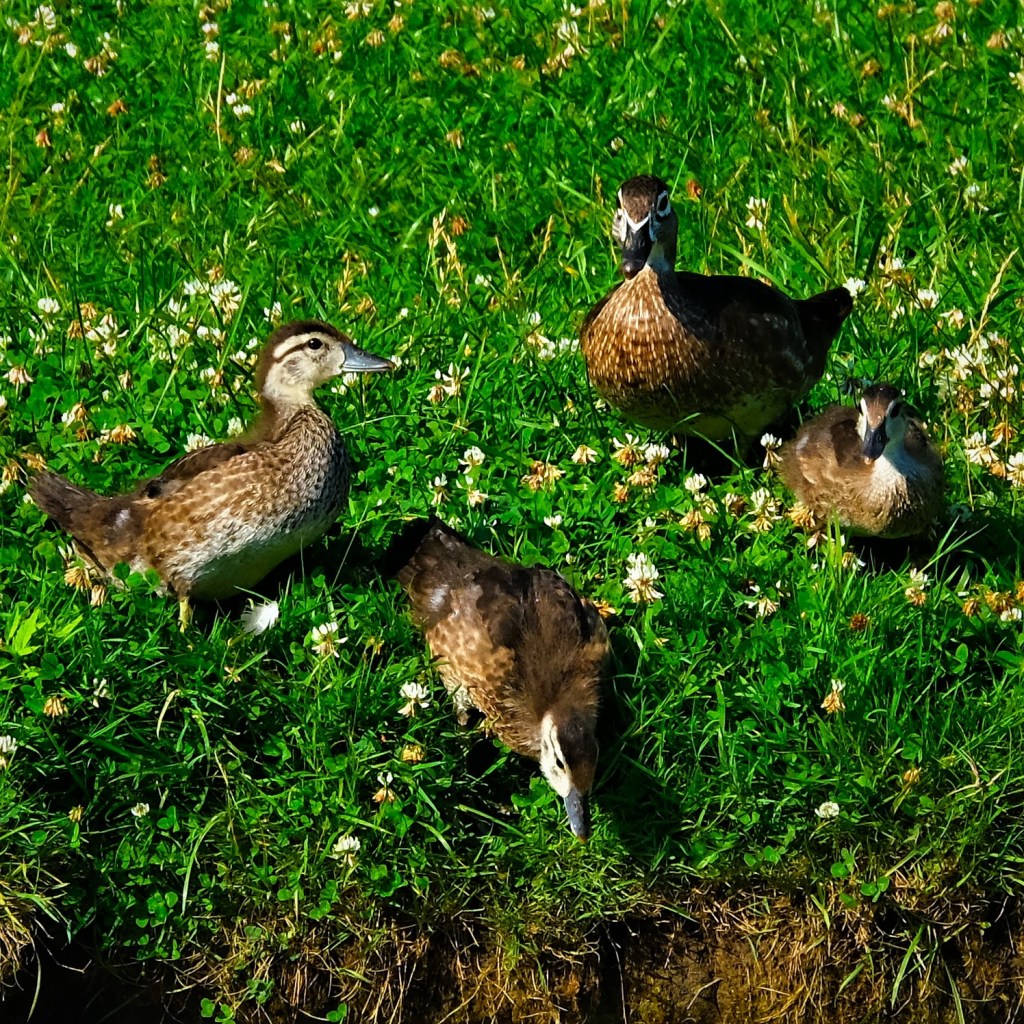
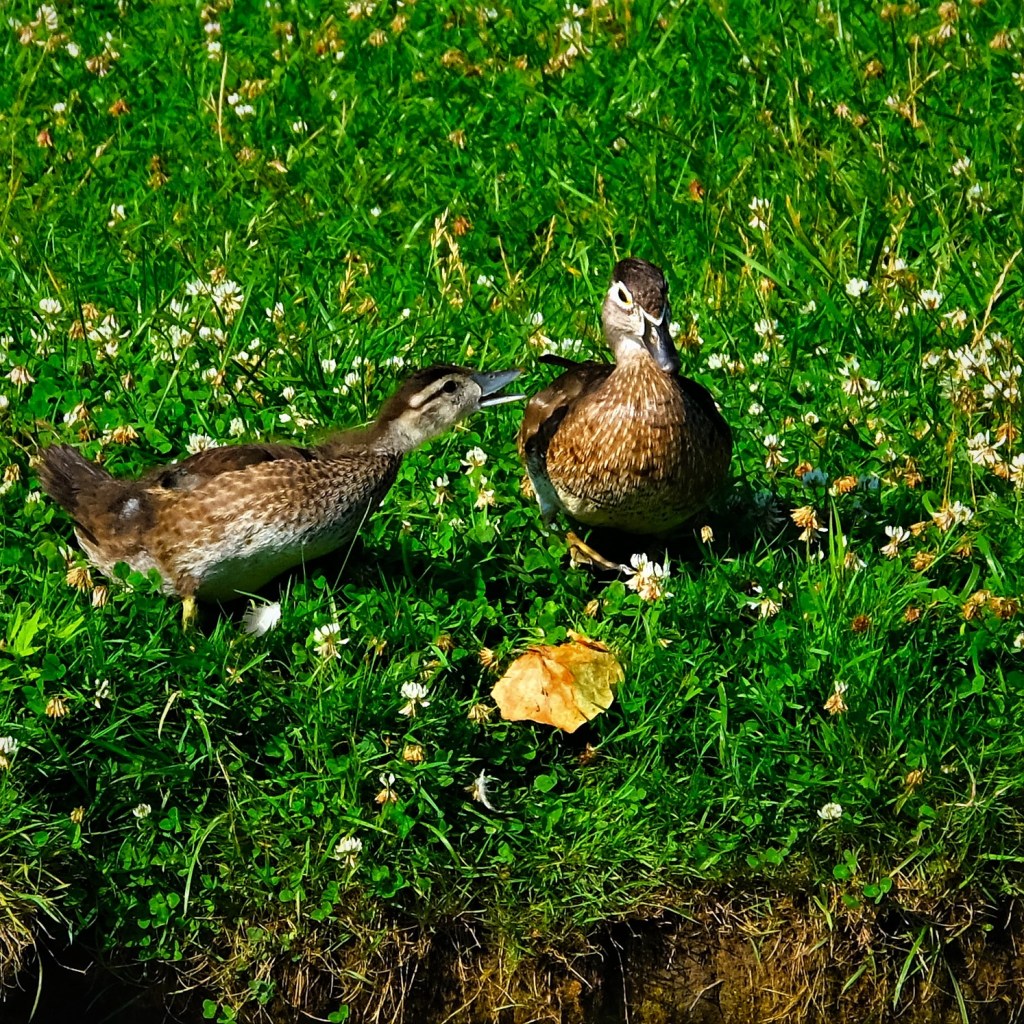
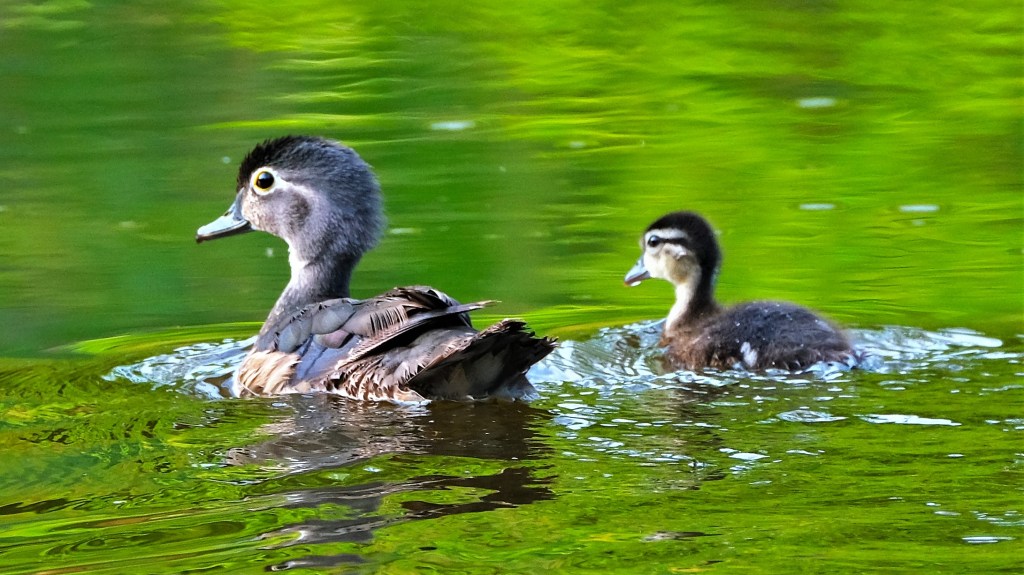
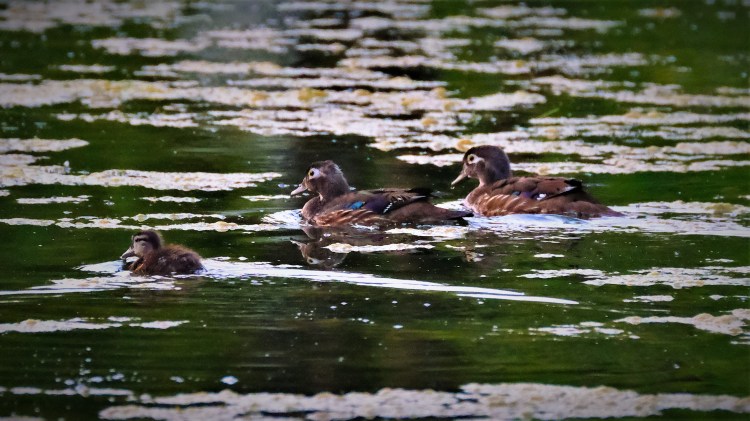
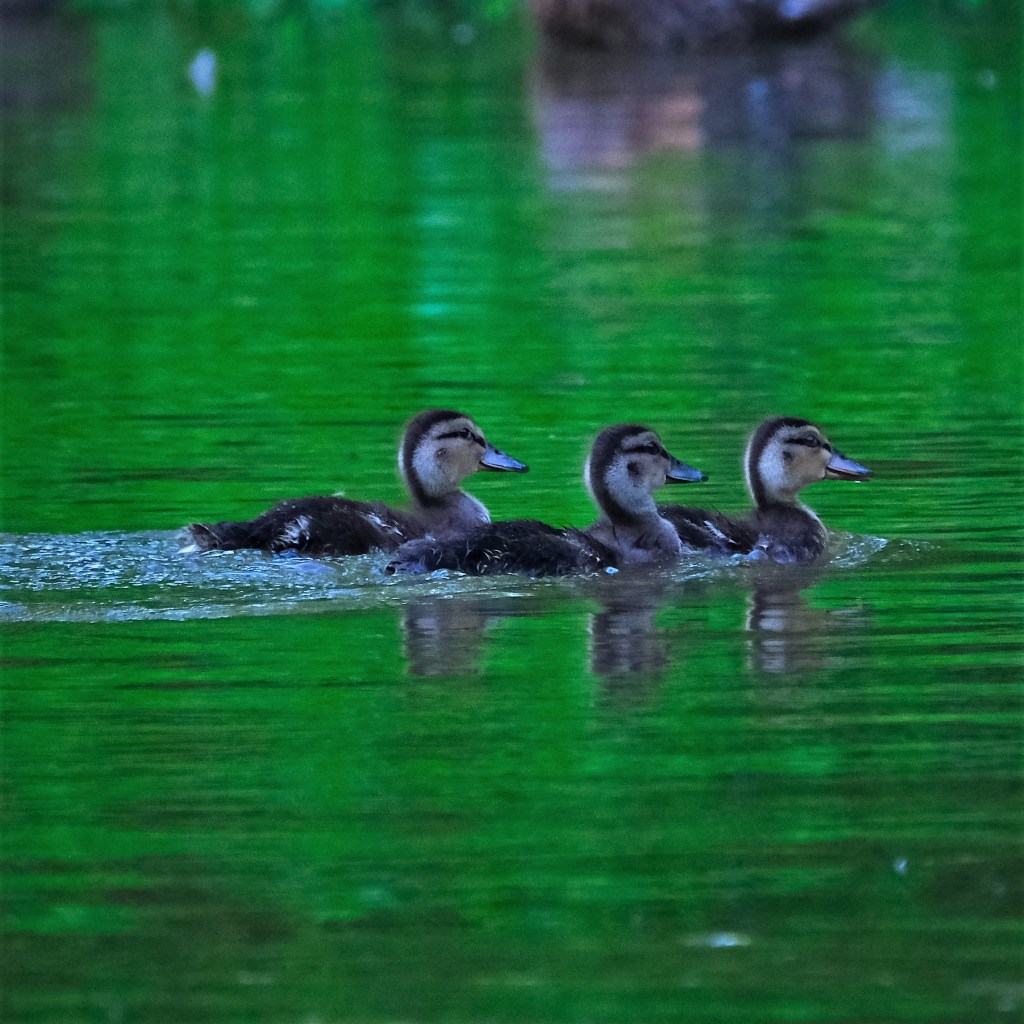
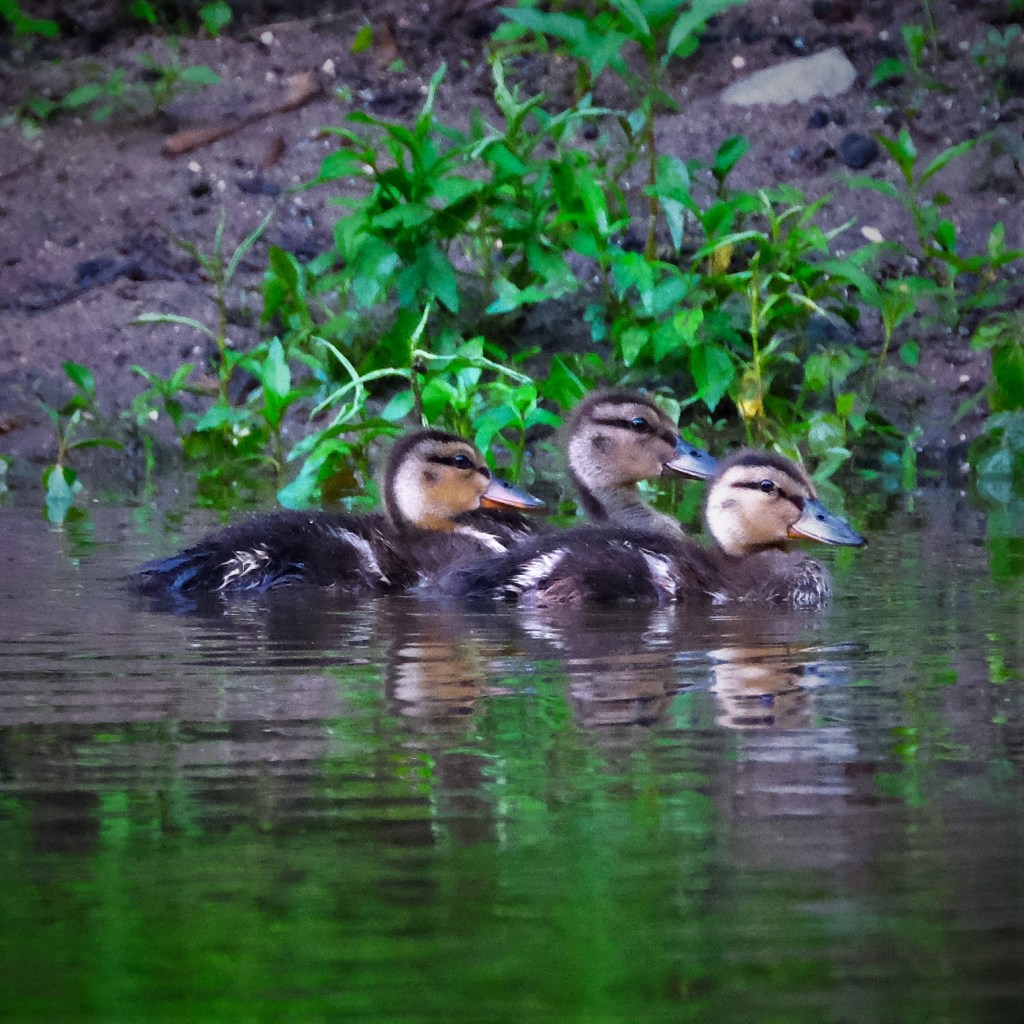
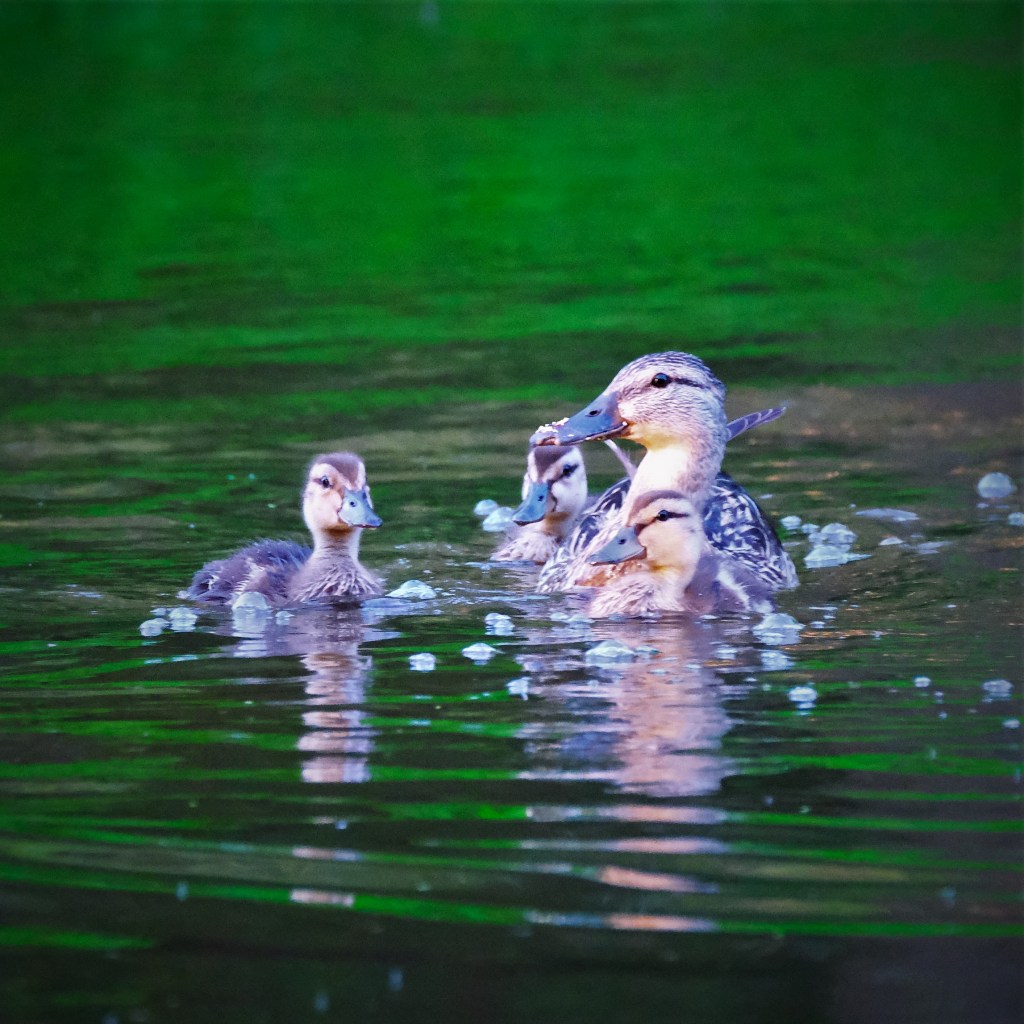
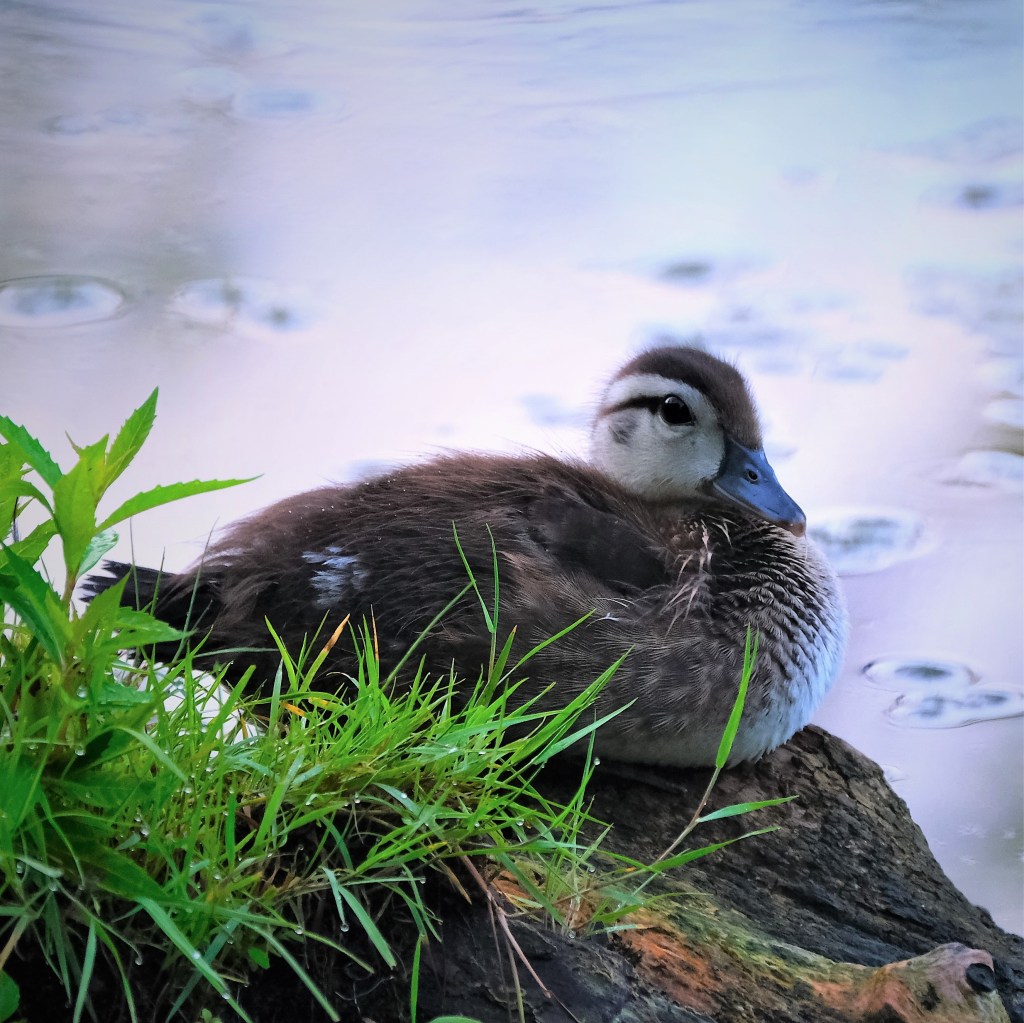
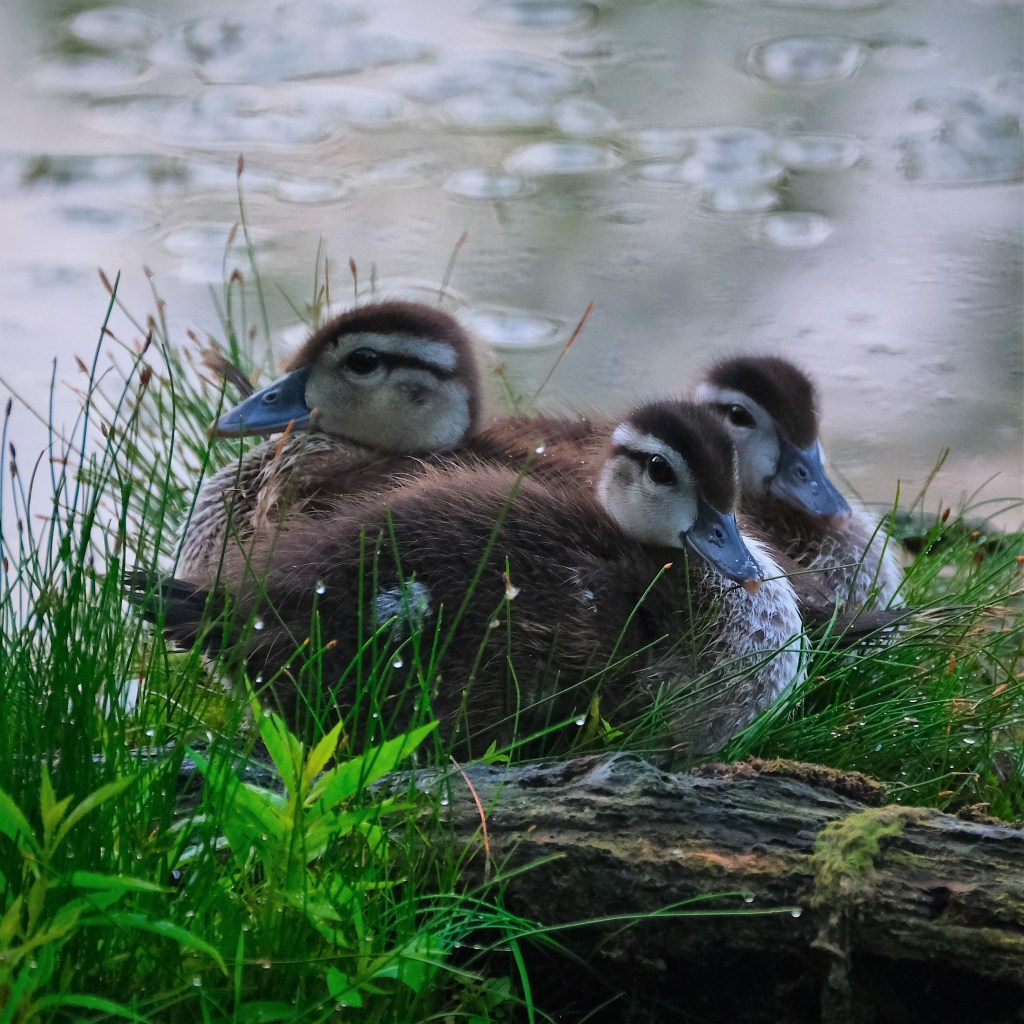
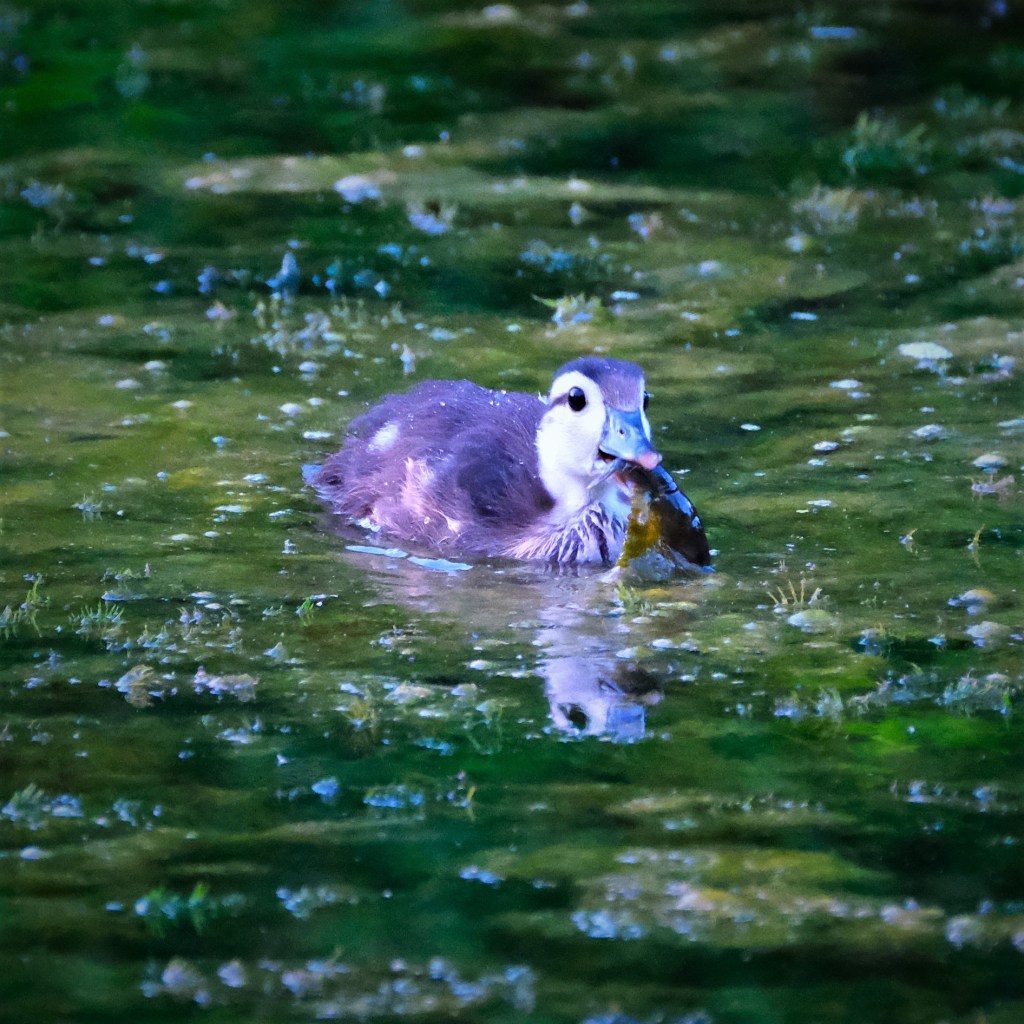
Think teals and geese and wrens are fine, but just can’t get enough of those wood ducks? Here you go! I spotted him first beside the southern island, and then heard her calling him to come down to the southern tip, and so of course he did.

Think “enough with all the animals, and where are the pretty flowers? Here you go! The squills and snow glories are making amazing carpets dotted with clumps of various daffodil varieties on the lawn and in the woods near the pond.

There’s even more, if you can believe it, but I’ve gotta get ready for office hours so I’ll finally take some of Anne’s sage advice and keep a couple for a rainy day.

Are we skipping spring this year?

Wow! It sure felt like summer out this morning, and the critters in the park didn’t seem to mind, but sometimes I find them inscrutable, so who knows?

Anyway, the belted kingfishers are out in force now, and this guy got super excited when he spotted another kingfisher. I don’t know if this display means “Come and get it!” or “This river is all mine!”, but he was sure loud and adamant about it.

Some small fly has emerged from the pond already, and the golden-crowned kinglets are hunting them in the bushes like crazy. I’m keeping my eyes peeled for a ruby-crown, but none yet.

The brown creepers are even getting into the action.

The turtles are up on logs almost every time I visit the pond, even at 7 this morning.

These two looked like they were up to something yesterday afternoon, but upon closer inspection, not that I can tell. No sign of any red-eared sliders yet, though. Soon, I hope.

One goose is still incubating, on the north end of the island, as of this morning, and at least three pair of wood ducks where there as well.

I’ve even seen some little mammal, probably a muskrat, swimming in the pond a couple of times already, but no pictures yet.

Meanwhile, Mrs. Gadwall and the buffleheads are still on the river, although the buffleheads were farther apart this morning than I’ve ever seen them. I hope that’s not a sign of trouble.

Further south, I bumped into Blondie and Dagwood again, and I look forward to seeing the ducklings, if and when they arrive.

I also spotted what appears to be a flight or cormorants heading north this morning, and I hope one stops in at the pond to pay us a visit again.

The skunk cabbage is still in “bloom”, if that’s what you wanna call it, and some bloodroots are already up along the Oak Leaf Trail.

Finally, I scored yet another Park Beer, and this one looks fancy. Woo hoo! That’s my 2nd of the year already and 3rd total. It’s cooling in the fridge right now as I sit here and type this.

Lastly, Brian Niznansky and the TMJ4 Stormchaser were broadcasting the weather report this morning from in front of the Estabrook Park Beer Garden, which appears to be just about to open, so that was fun to see. There was also a delivery truck there earlier this morning, which is a very encouraging sign. That way if you can’t find your own Park Beer beside the trail, or you prefer to acquire yours pre-chilled, you can always get one here.

Spring sightings door-buster sale at Estabrook!

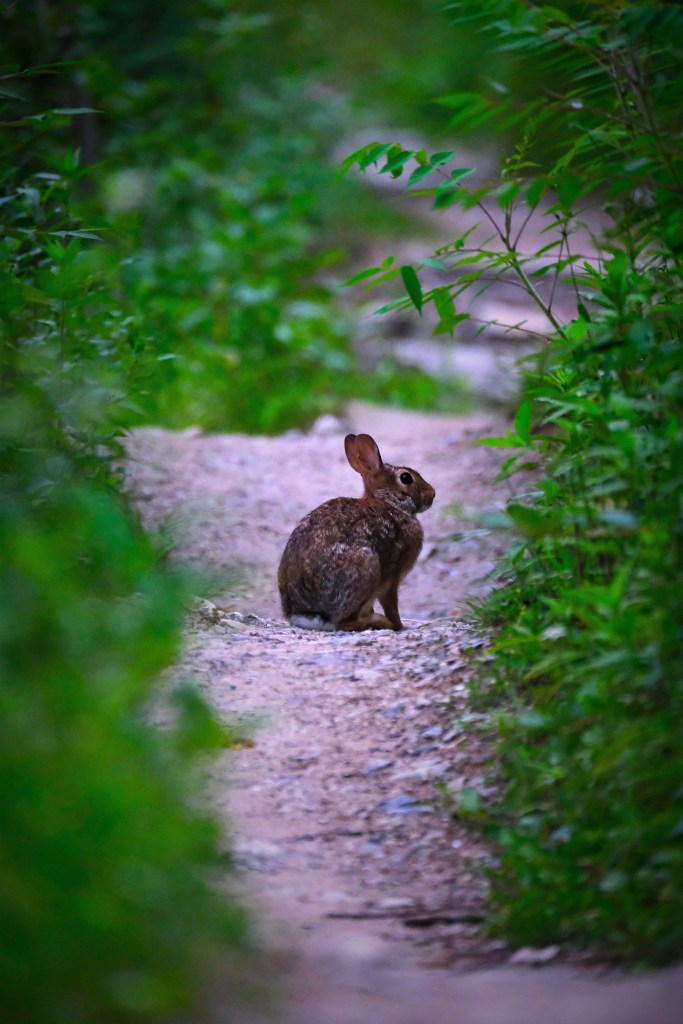
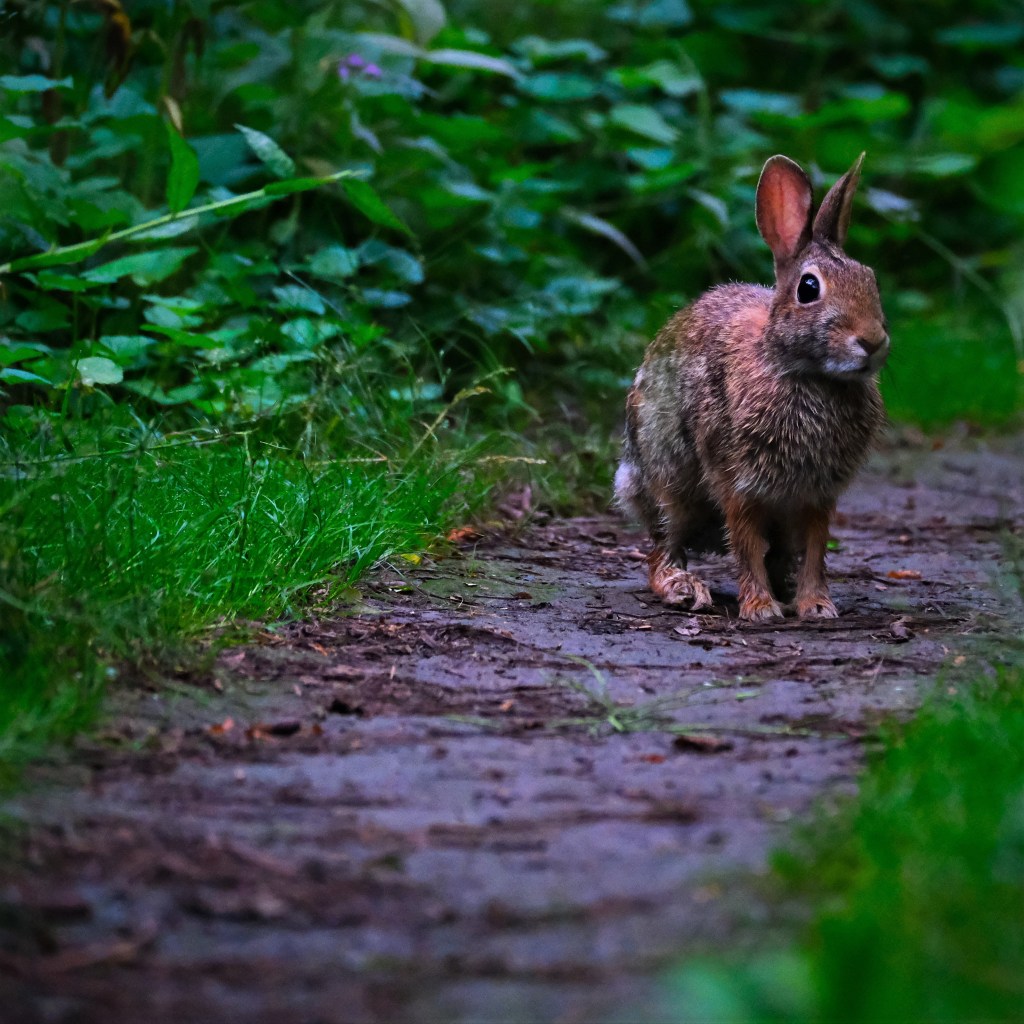
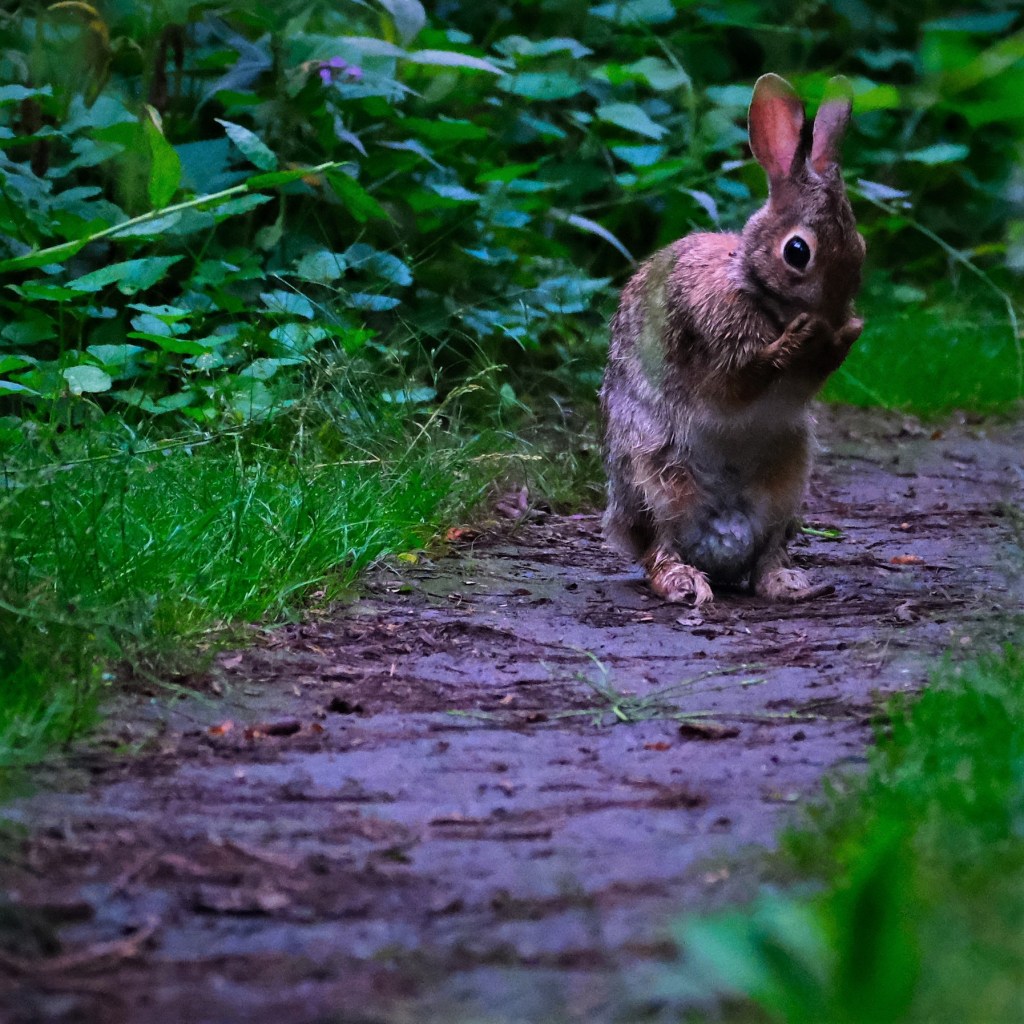
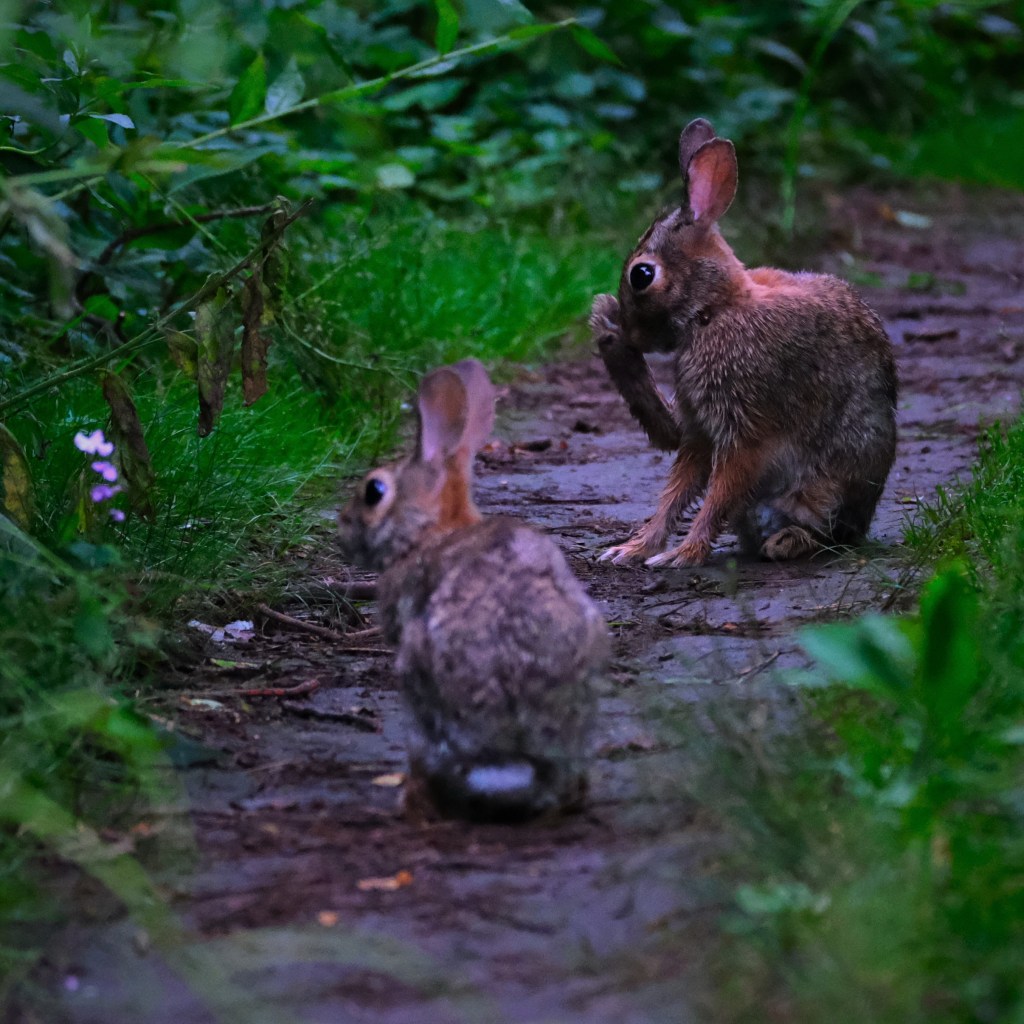
Last year, on Easter Sunday, I clearly remember searching high and low in vain for a rabbit picture, just cuz, and this year, almost the first thing I saw as I entered the park is this little cutie, working hard to help to keep the lawn look neat and trim at the Benjamin Church House. Of a dozen pictures, this is one of the few in which it took a brief break from the buffet to look my way.

If that weren’t special enough, wait till you see this next one. The weather was so gorgeous yesterday afternoon, that I took another quick swing by the pond, and look how I found there. Our first painted turtle (Chrysemys picta) of 2021, just 3 days earlier than last year.

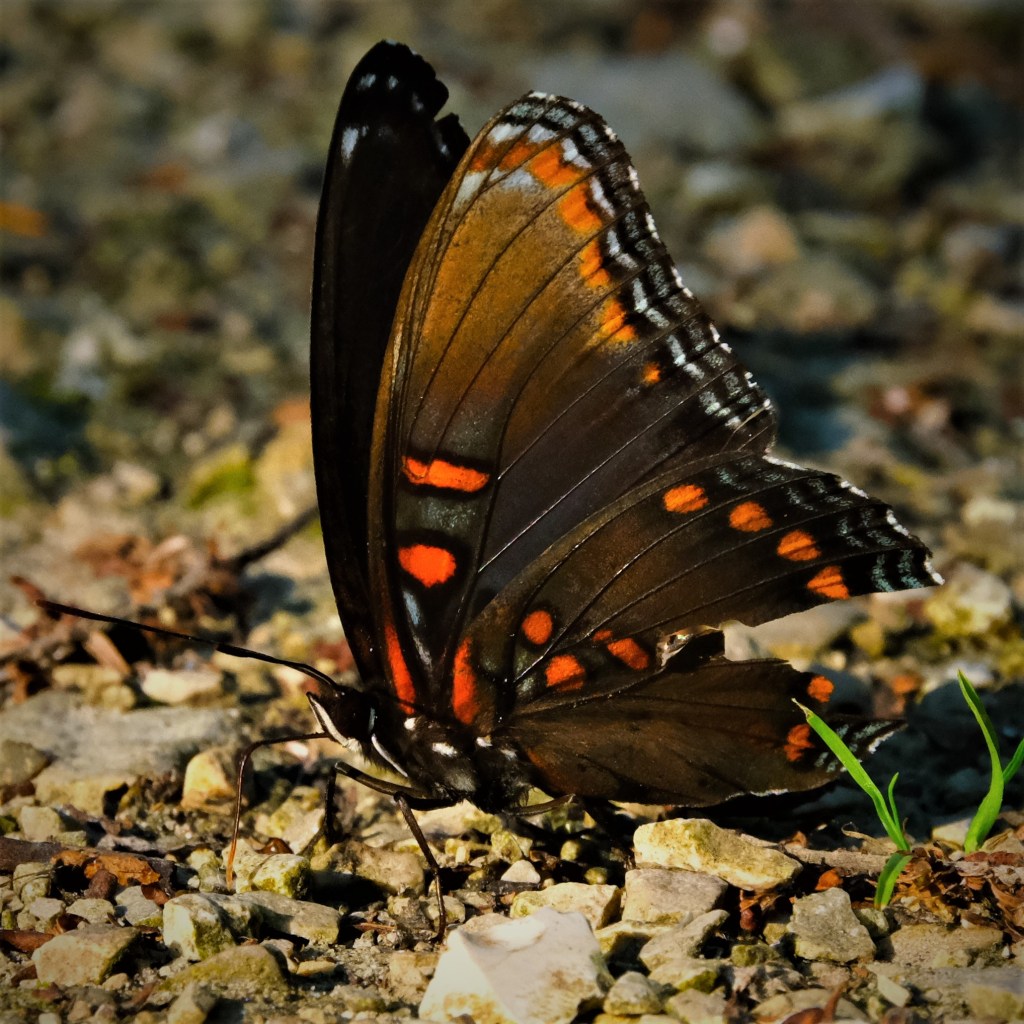
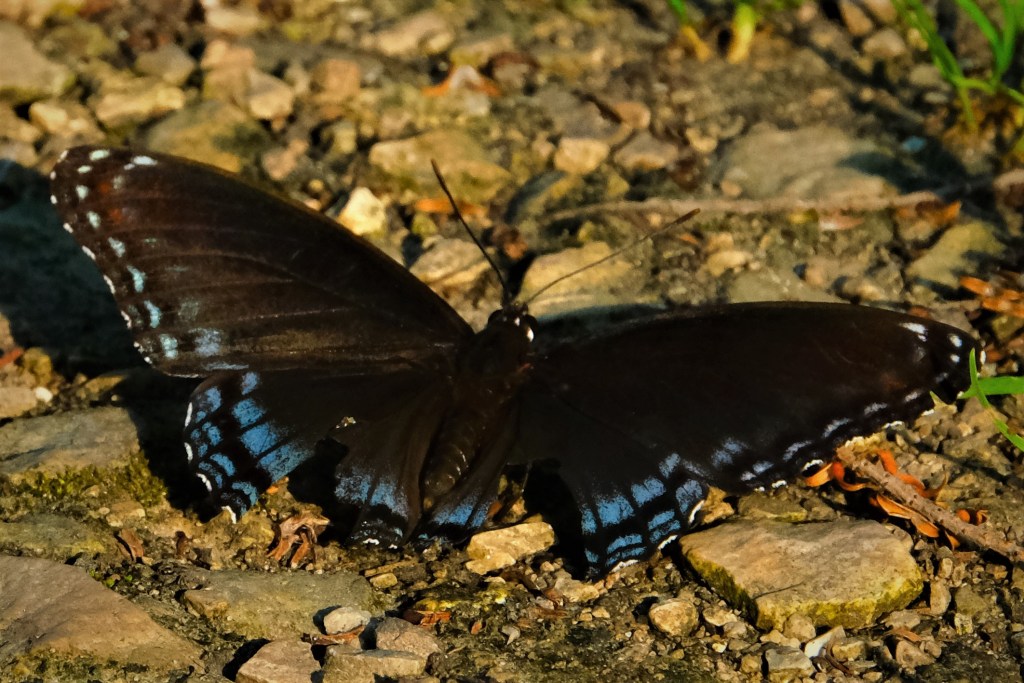
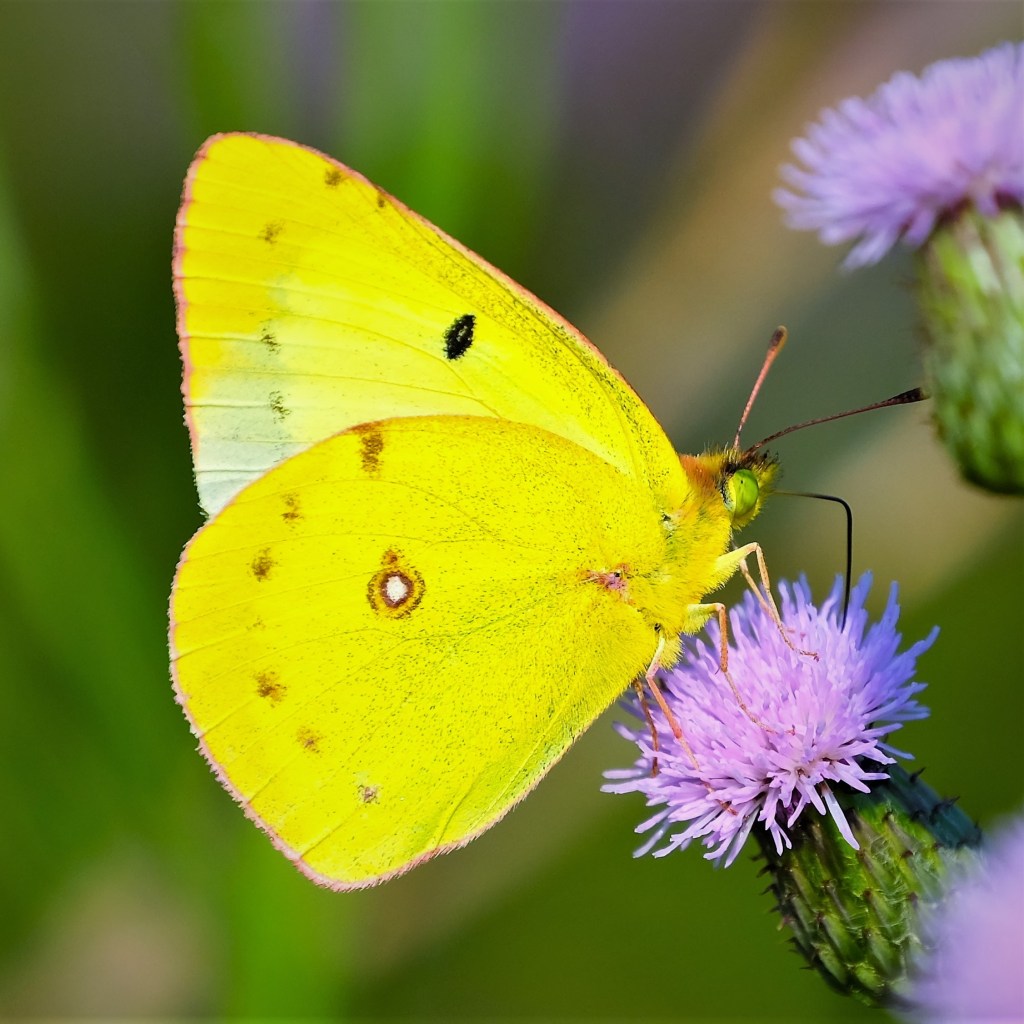
And if you thought that was amazing, hold onto your hats, because here comes the first butterfly of 2021, a mourning cloak (Nymphalis antiopa) freshly up from its long winter’s nap and trying to soak a little sun on the pavement of the Oak Leaf Trail. I read that they “have a lifespan of 11 to 12 months, one of the longest lifespans for any butterfly,” and that “the adult butterflies hibernate during the winter months … making it one of the first butterflies to take wing in the spring!”

Almost as amazing as seeing this beautiful creature, to me, is the crazy confluence of events that lead to me getting this picture. It starts last fall, if you can believe it, is when I first spotted one as I rode by on my bicycle, and I was so surprised to see a butterfly so late in the season that I immediately looked up what it might have been when I got home. That’s when I learned that they hibernate instead of migrating.

Fast forward 6 months, and when Anne got home from her bike ride yesterday, she said she saw a black butterfly. The image of a mourning cloak popped right into my head, and I had no hope of going out to find it for myself, but I went for a bike ride anyway. Sure enough, it jumped off the pavement just as I approached, and I hopped of my bike to try to get a picture with my phone, but had no luck. I think it got stuck to the shirt of a rider going the other way and I couldn’t find it.

So I continued my ride, and on my return, there it was again, a bit further south. This time, I hopped of my bike, whipped out my phone, chased right after it, and it soon settled down on the pavement one more time. Finally, I was on my hands and knees in the middle of the path taking this picture, when a couple sped past and startled it yet again. I couldn’t find it after that, but I did have a picture, and I absolutely cannot believe my luck.

Okay, one last tidbit. There was just a paper published this year about how butterflies bolt into the air so quickly. They actually shoot a jet of air out from between their wings as they clap them together.

Back to the pictures! Here’s our first bee of 2021.

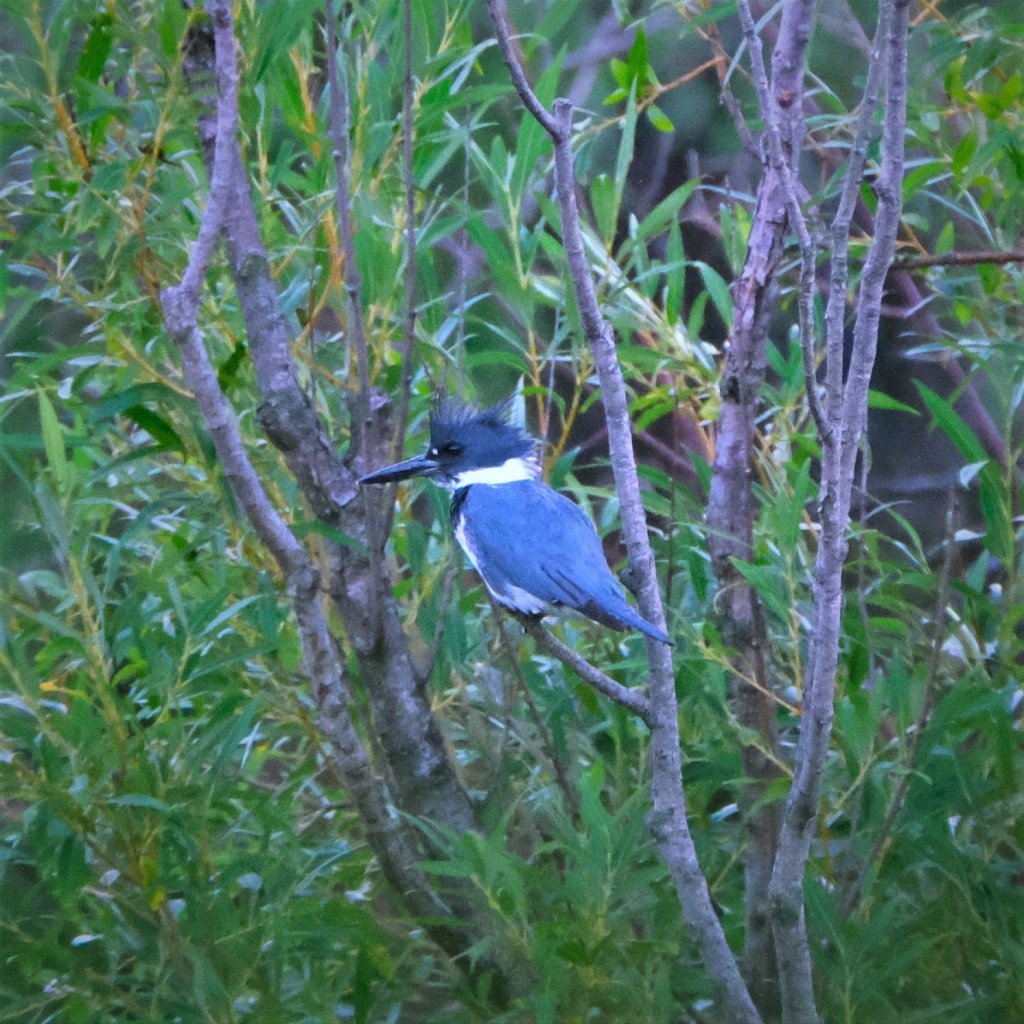
Here’s our first belted kingfisher (Megaceryle alcyon) who appeared finally to be trying to get down to fishing from this birch tree over the river and not just rocketing past me on the wing.

Here are a couple of new shots of a female northern flicker from this morning.

Here’s another nice violet and another new blossom just up in the forest along the river, which my sources tell me is Rue Anemone (Isopyrum thalictroides)

Finally, I am sad to report that our heroes on the southern tip of the island in the pond appear to have stopped incubating. She was off her nest yesterday afternoon, and I wasn’t too worried because it was a nice warm day to cover her eggs and take a quick break. She was off her nest again this morning, however, and just snoozing on the west lawn, so that’s not a good sign.

Meanwhile, the goose on the northern tip was still on her nest this morning, so we still have a hope for goslings on the pond near the end of April. A pair of wood ducks were also around, so we can also have a hope that she’s using one of the two nesting boxes on the island, and we might see a wood duckling, too, but that will be much later.

Lastly, I spotted this fun bit of beetle art, so here you go. I read it was likely caused by “one of about 6,000 species in 247 genera of beetles in the subfamily Scolytinae,” so that’s about as far as I plan to dig into that topic.

I bumped into Charles again this morning, and he reported spotting a yellow-rumped warbler, so I have a hope of seeing one soon, too.

A tail of two nesting sites

One was the best of sites. One was the worst of sites. That’s as far as the wordplay goes.

Here’s a male red-bellied woodpecker showing off his fine nesting site in hopes of attracting a mate. He made it look very easy-in, easy-out, and note how the hole faces downward so that it is sheltered from the elements. Very nice, and ready for immediate occupancy, although it is probably not yet furnished.

Here’s a less-fortunate red-bellied woodpecker fending off a starling that had the gall to show up with nesting material in its beak! At first, I was just trying to get a decent picture of a starling, but then when the woodpecker dove in and messed up my shot. I noticed, however, that neither were taking off, so I continued to try for a picture, and I finally realized what was going on. Starlings are known for stealing nesting holes that woodpeckers make, and this hapless chap chose a spot that starlings like. I hear they are relentless, and I hope he has better luck next time.

Phew! After all those acrobatics, let’s see what else was going on.

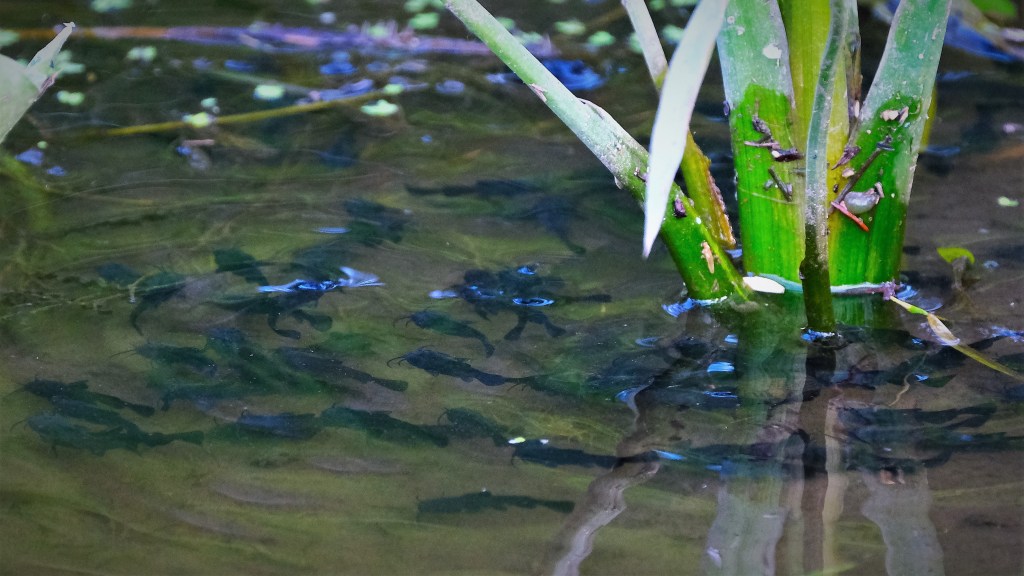
Our heroes are still incubating on the southern tip of the island in the pond, a second goose was either laying another egg or finally incubating on the northern tip, and the carp are back in school at last, despite the apparent die-off over the winter! Thanks to my buddy Dan for spotting the carp for me.

The northern flickers are seemingly everywhere now, and here are a couple more of shots of a female again.

The geese and mallards are as plentiful on the river as ever, and the buffleheads and one goldeneye are still around.

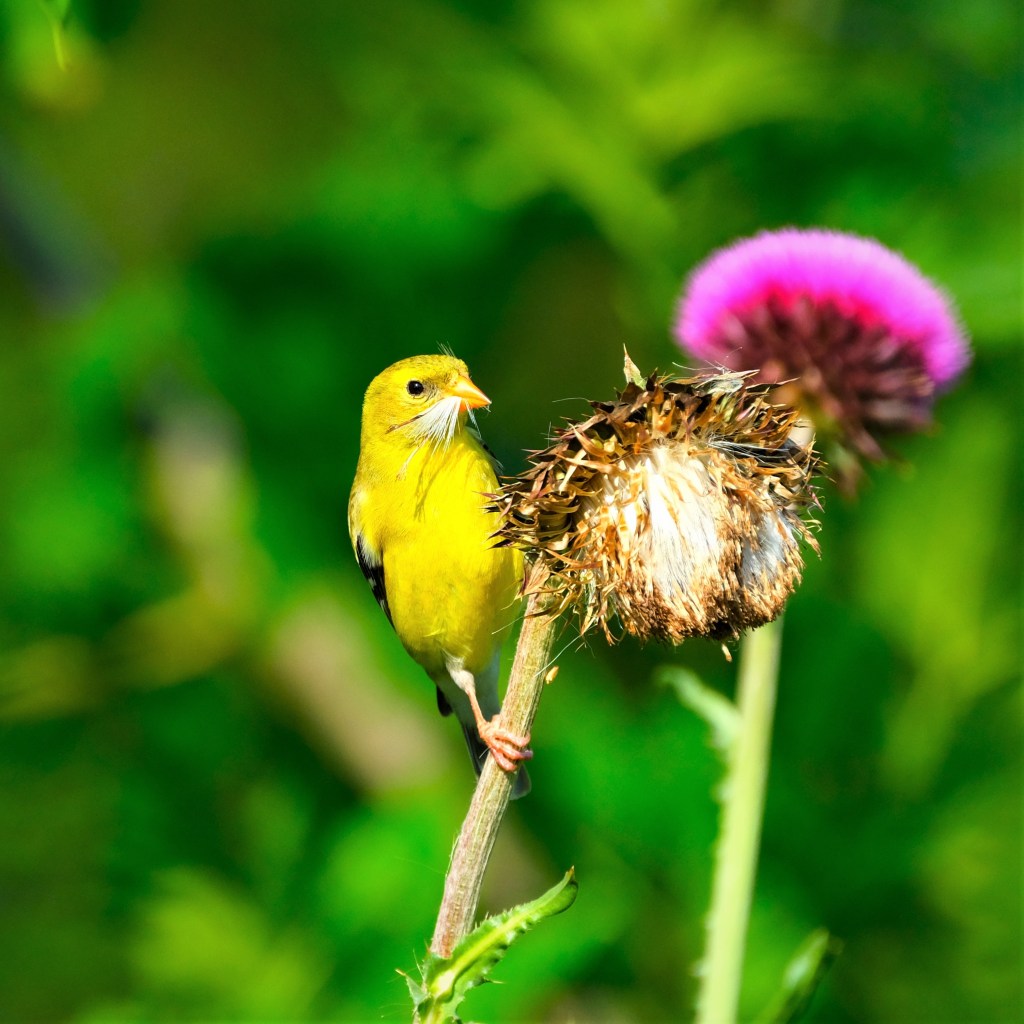
I finally got a more-appropriately-colorful picture of a goldfinch singing the most cheerful song and on its way to becoming bright yellow.

Lastly, another new blossom is up beside the maintenance building south of the pond, but what it is called is still a mystery to me. They’re not snow drops (Galanthus) because they don’t hang down. They’re not spring snowflakes (Leucojum vernum) because they don’t hang down and they don’t have little green spots on the petals. I don’t think they’re musli (Chlorophytum tuberosum) because the petals aren’t pointed at the ends. If you can identify this pretty little flower, please let us all know!

A morning that’ll frost your goose…

Yikes, it was cold out this morning. I wish I had worn my good winter mittens. The soil was quite crunchy with needle ice in places, and this goose, who appears to have spent the night snoozing on the mudflats by the river, had a nice heavy coating of frost on its back and wing feathers.

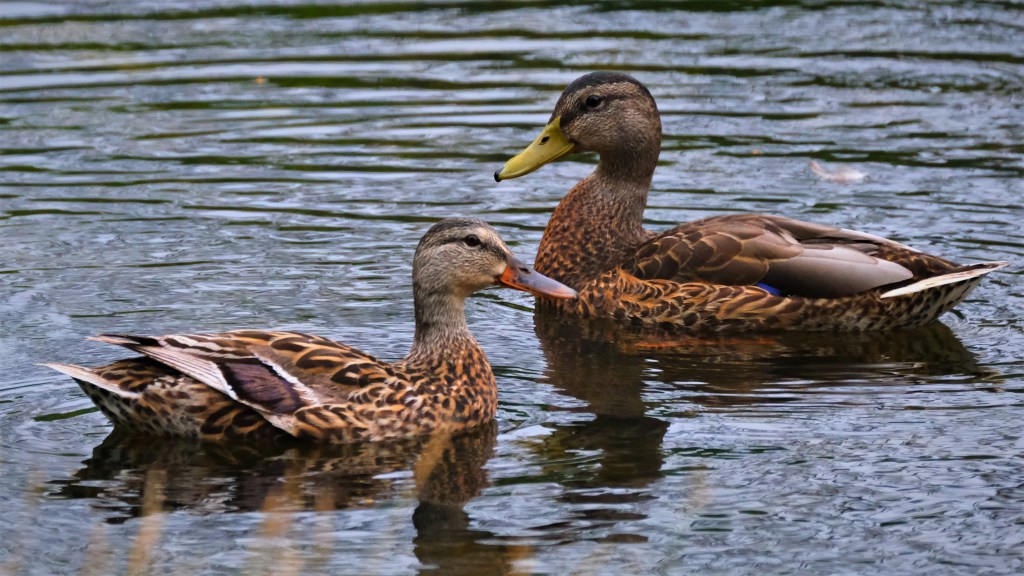
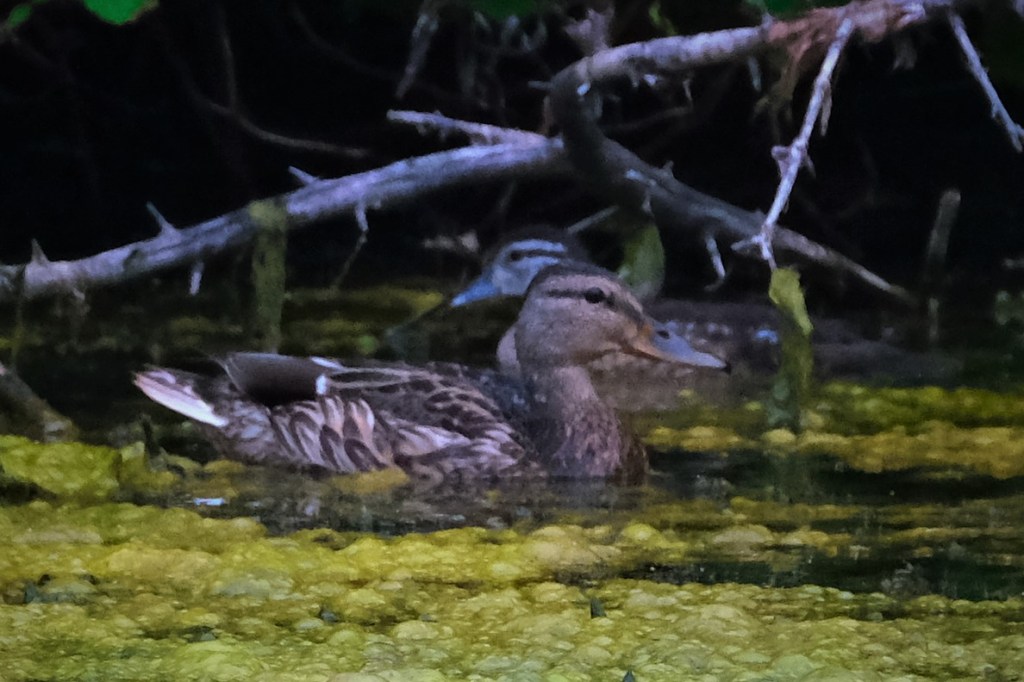
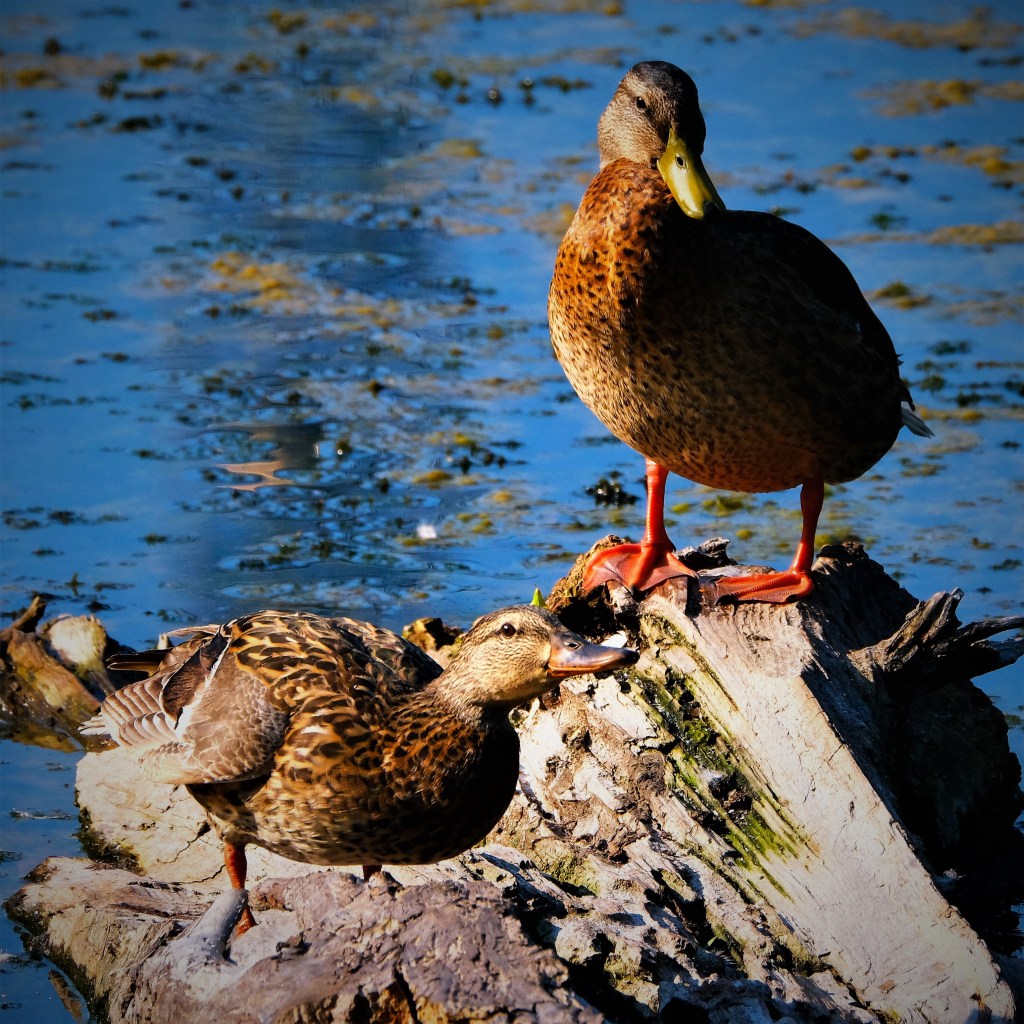
Also on the river were the young goldeneye, Mrs. Gadwall, one wood duck drake, several mallards, and a slew of geese. In the picture below with the two hens, can you tell which is the gadwall and which is the mallard? They don’t make it easy.

The biggest sighting of the morning, however, was this northern flicker, who we first spotted back in the park just yesterday. There were even two of them, at first, but one soon amscrayed.
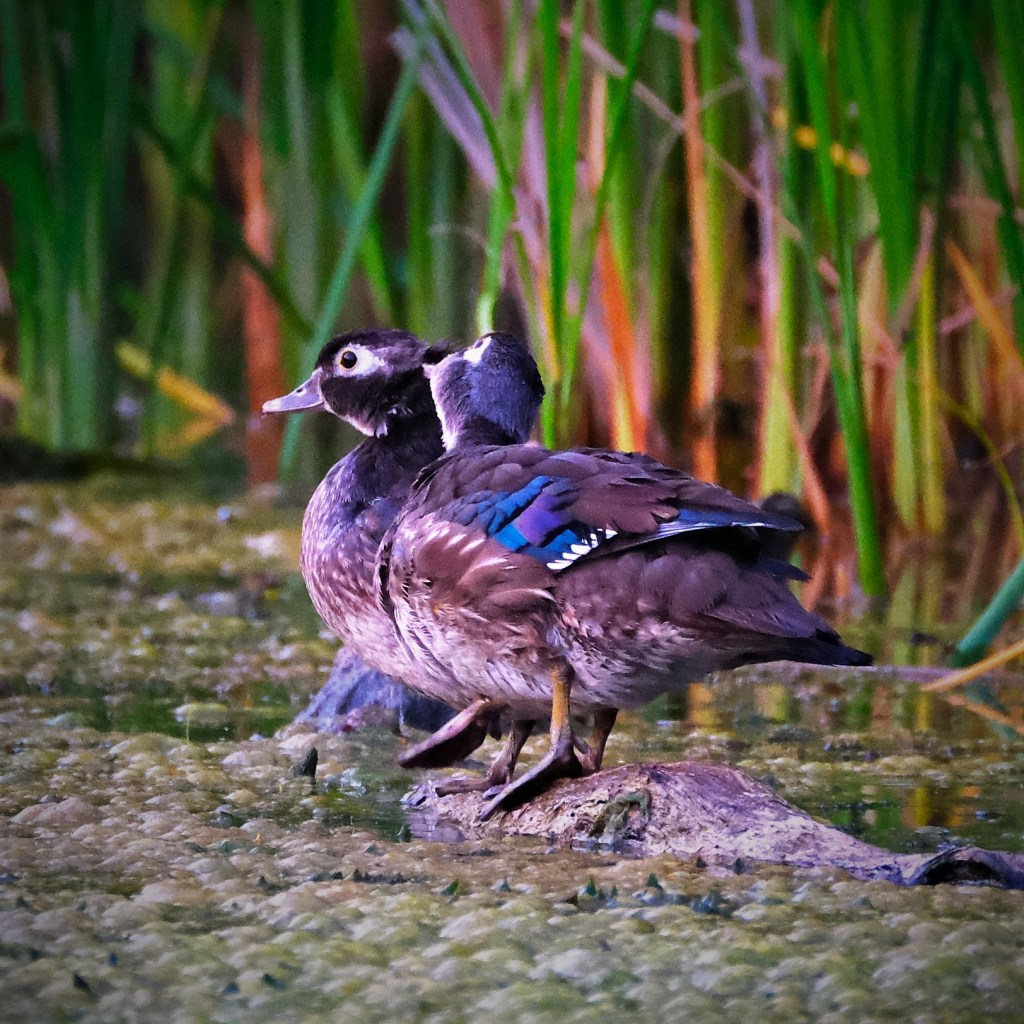
A pair of northern flickers in a tree top across the river, so there is more than one!
Female, yellow-shafted, northern flicker
Female, yellow-shafted, northern flicker trying to rustle up some breakfast

April starts off with a bang! Wow!

What an absolutely magical afternoon in the park. Holy mackerel! Off the bluff, beside the river, the cool breeze from the lake was gone, the sun was warm and bright, the sky was deep blue, and the birds were everywhere!

I encountered several groups of golden-crowned kinglets (Regulus satrapa), incessantly hopping from branch to branch almost silently as they searched for a bite to eat. Here’s a sampling of what I saw.

I had gone to the park in hopes of finding a newly-golden gold finch because I saw several on my walk to campus this morning but only had my phone with me at the time. Sadly, this was the best I could do, but you can definitely see the new color coming in. I’ll get you a better picture soon.

I also had a hope of finding some skunk cabbage (Symplocarpus foetidus), which I had heard is now up. It took me all the way to the north end of the park to find some, and here it is.

Meanwhile, back on the trail, the brown creepers are also plentiful now. It is mesmerizing to watch them creep up a tree, so come see them while they last.

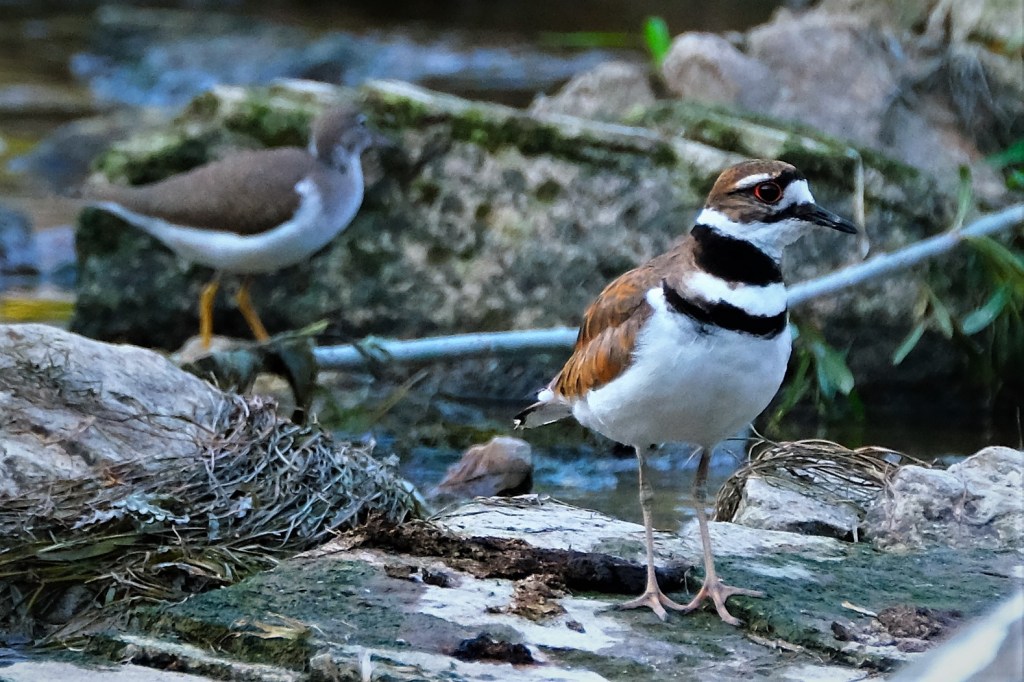
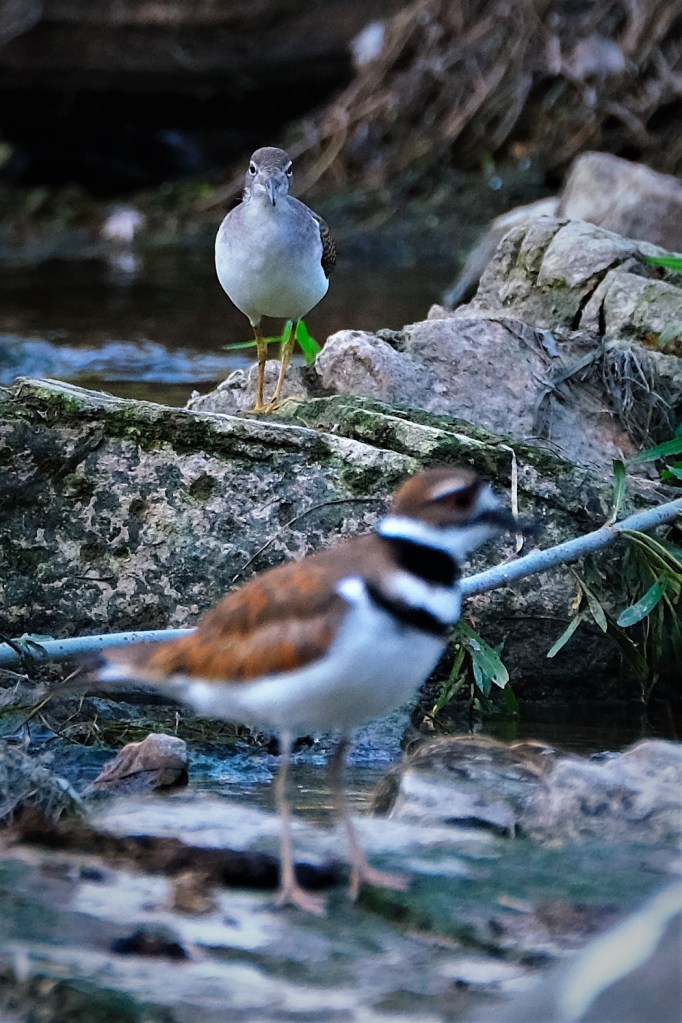
Further south, I spotted our first killdeer (Charadrius vociferus) in the park. Woo Hoo!

It turns out that there were two of them, and they made their characteristic call when they took off. I believe they nest on the open ground under the solar farm across the river.

While I was trying to keep tabs on the killdeer as it kept walking away, this mallard hen seemed so unperturbed, I just had to take her picture.

Just south of the southern staircase, I happened upon Gina Szablewski, who posts pictures on Instagram for Friends of Estabrook Park, and she asked me if I’d seen any flickers or sapsuckers yet, because they should be here by now, but I hadn’t.

Well, not 50 feet down the path, look who showed up, our first northern flicker (Colaptes auratus) and our first yellow-bellied sapsucker (Sphyrapicus varius) of the season. Ha!

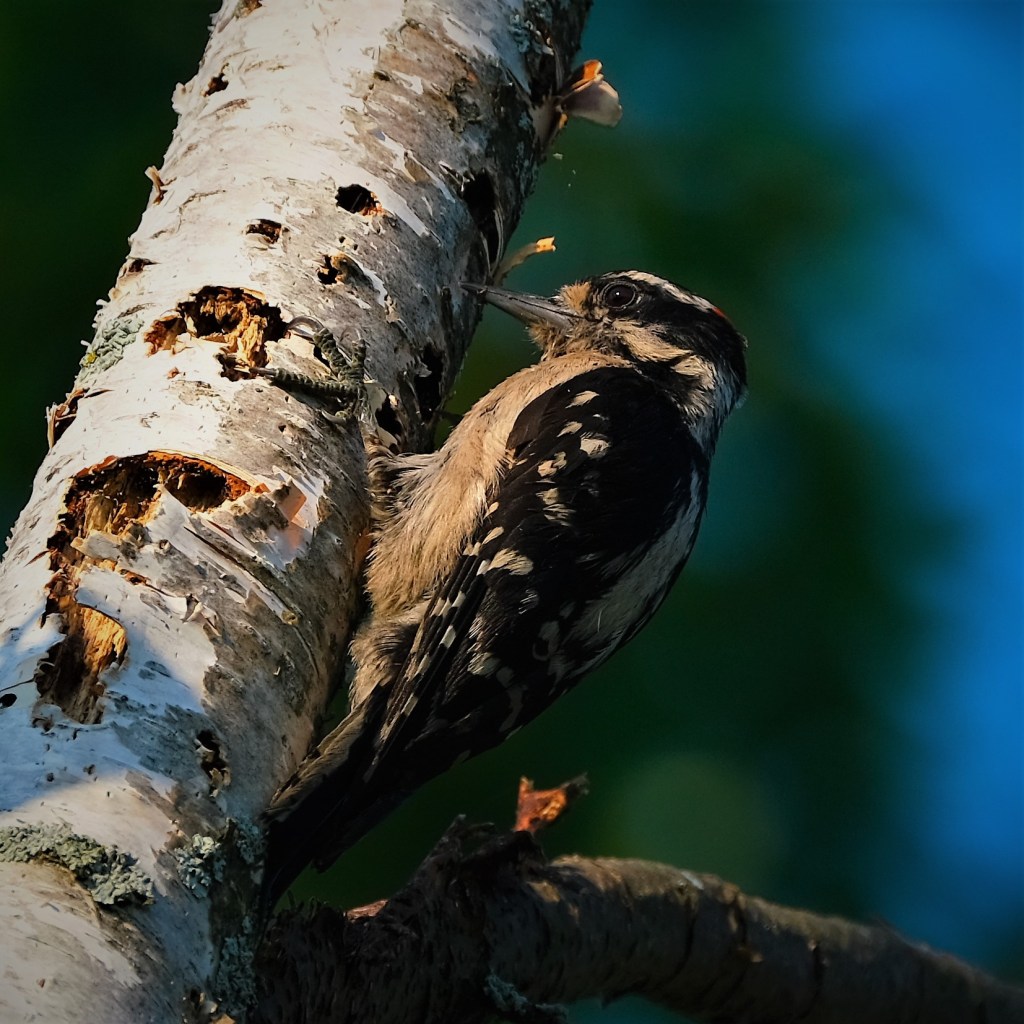
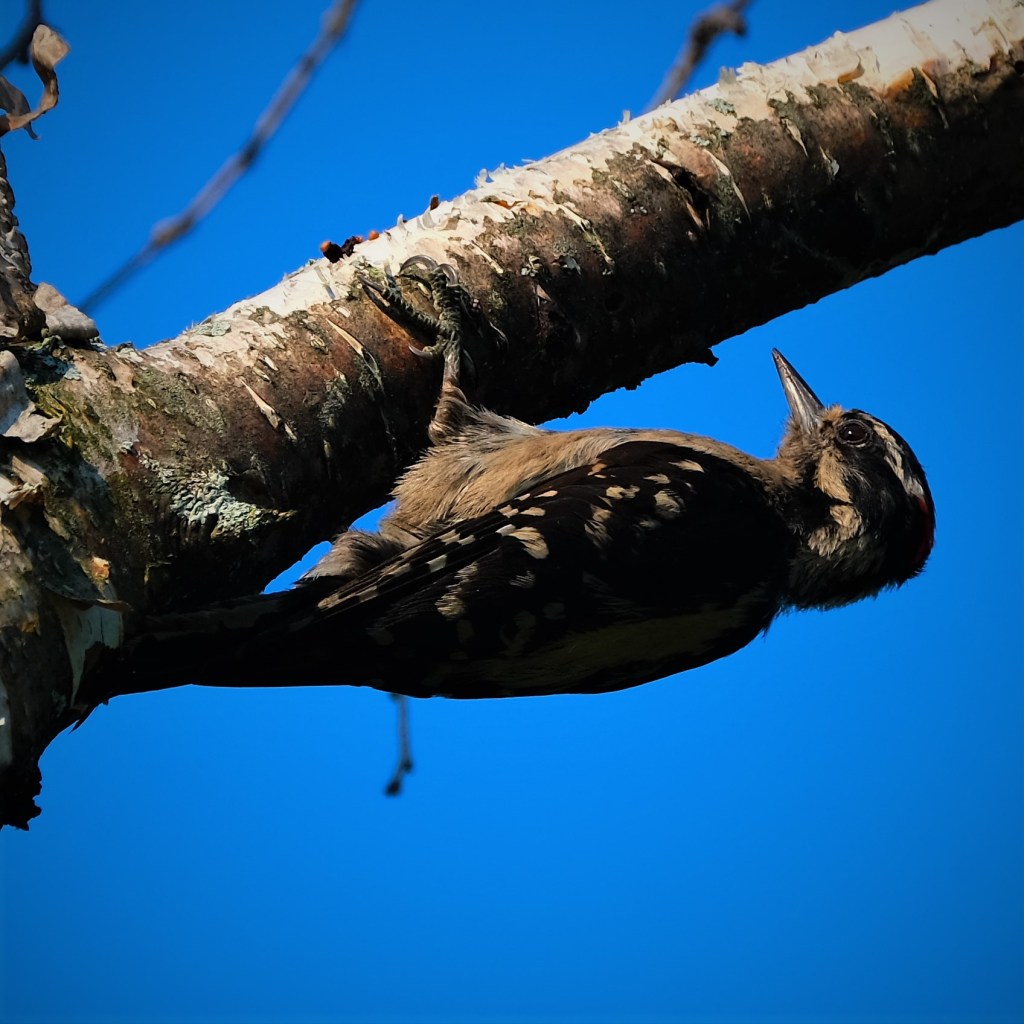
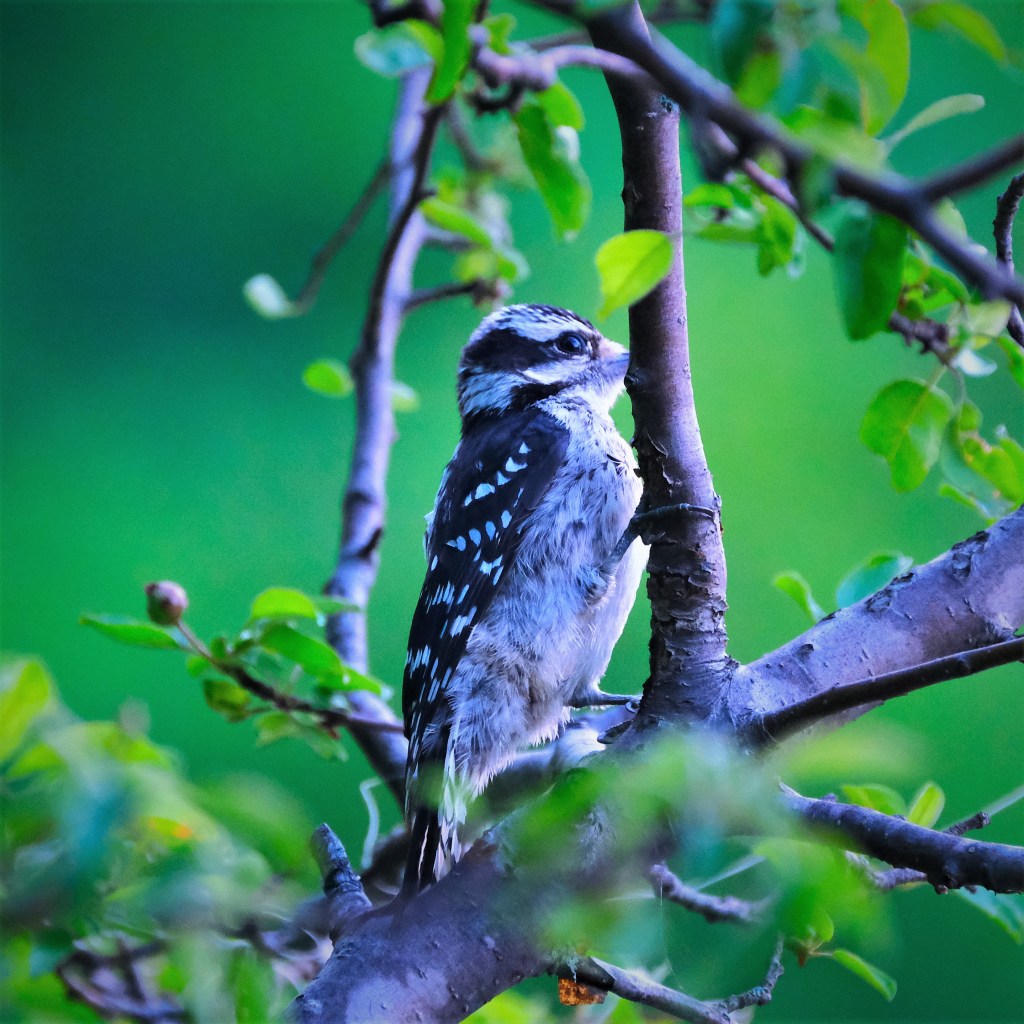
As I kept trying for a better shot of the sapsucker, I got it mixed up with a downy woodpecker, so now I have a ton of pictures of a downy woodpecker, who has a much whiter belly.

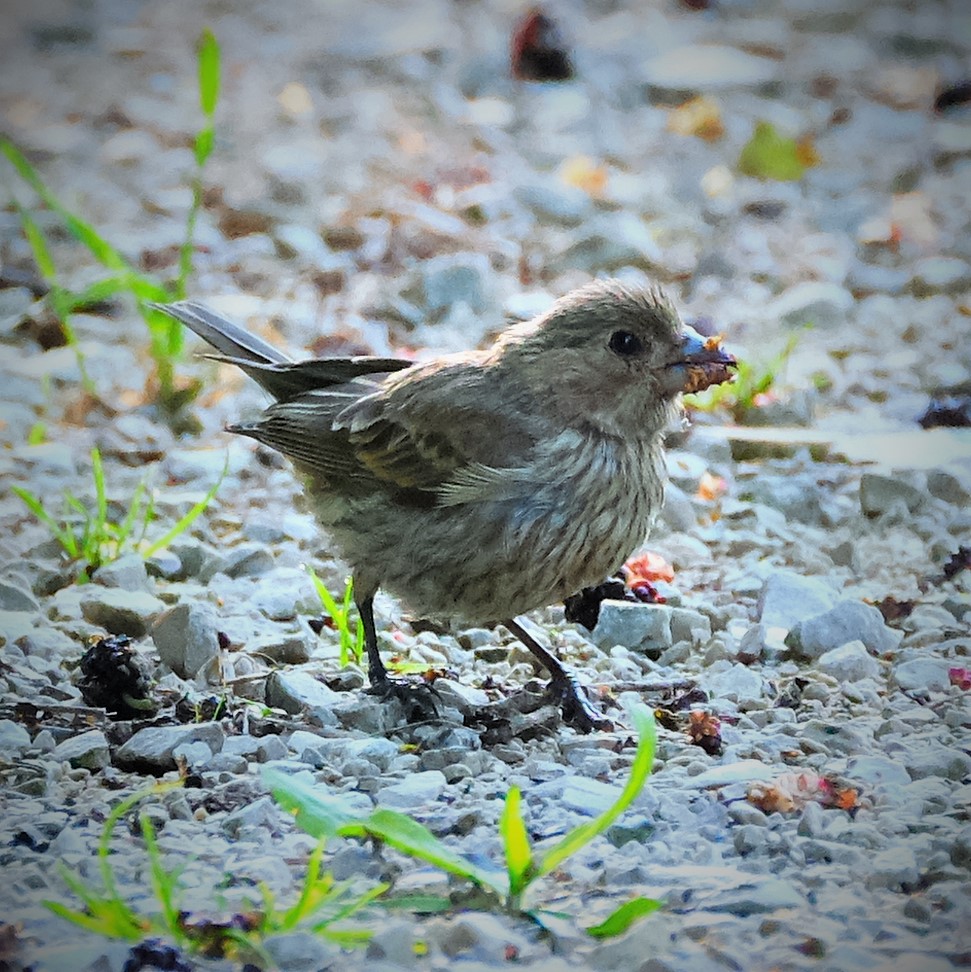
Here’s one last little cutie who stopped by to watch me struggle my camera, and he or she is either a veery or a hermit thrush, but we’ve been through this before.

Okay, okay. Last find. I spotted this beauty while I was hunting around beside the stream looking for skunk cabbage. It pays to look, eh?
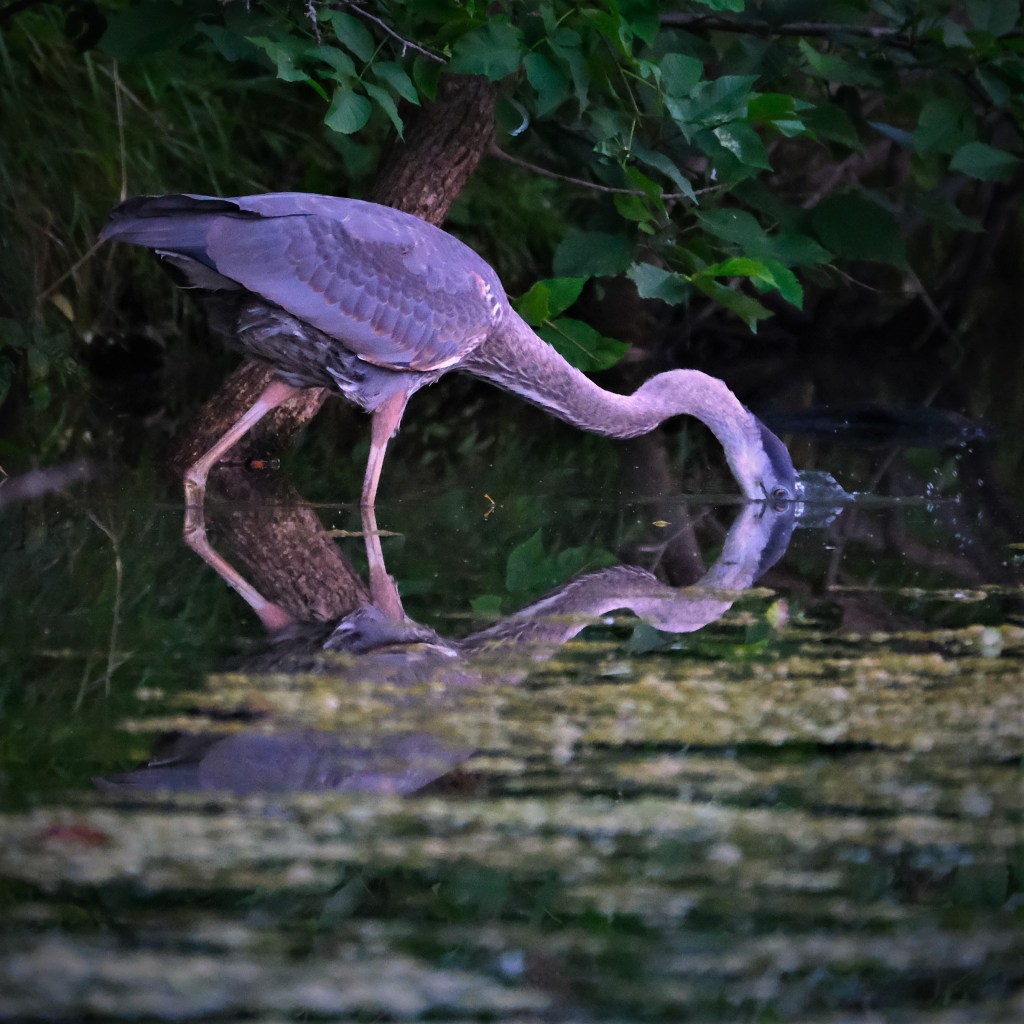
Adios, March!

After that warm spell we’ve just had, two more park denizens have emerged from their winter hibernation, these daffodils by the Church House and these glories-of-the-snow (Chionodoxa forbesii) in front of the maintenance building. Yay!

There is not much to report from the pond. There is only one goose clearly incubating, and the rest are still sorting things out. A few mallards and a few wood ducks seem to come and go on some schedule I do not know. I didn’t even take any pictures.

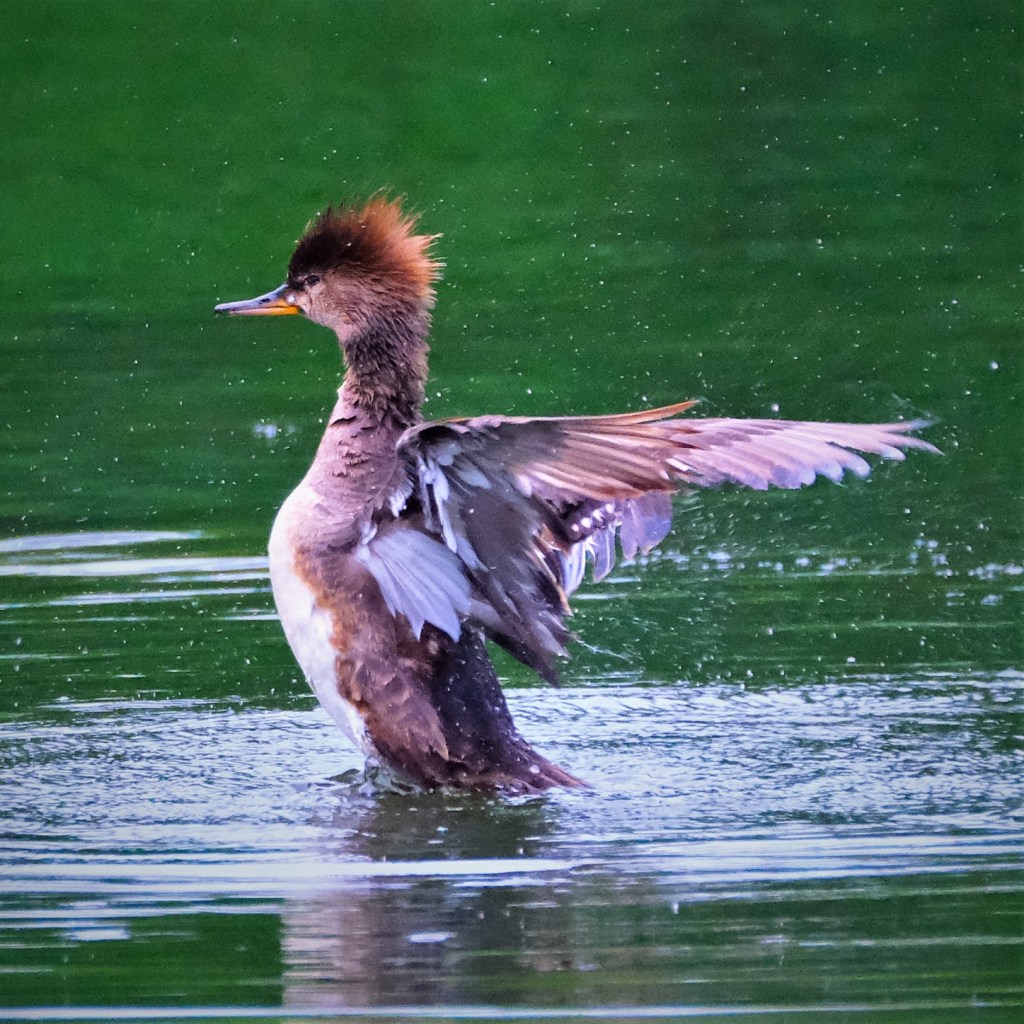
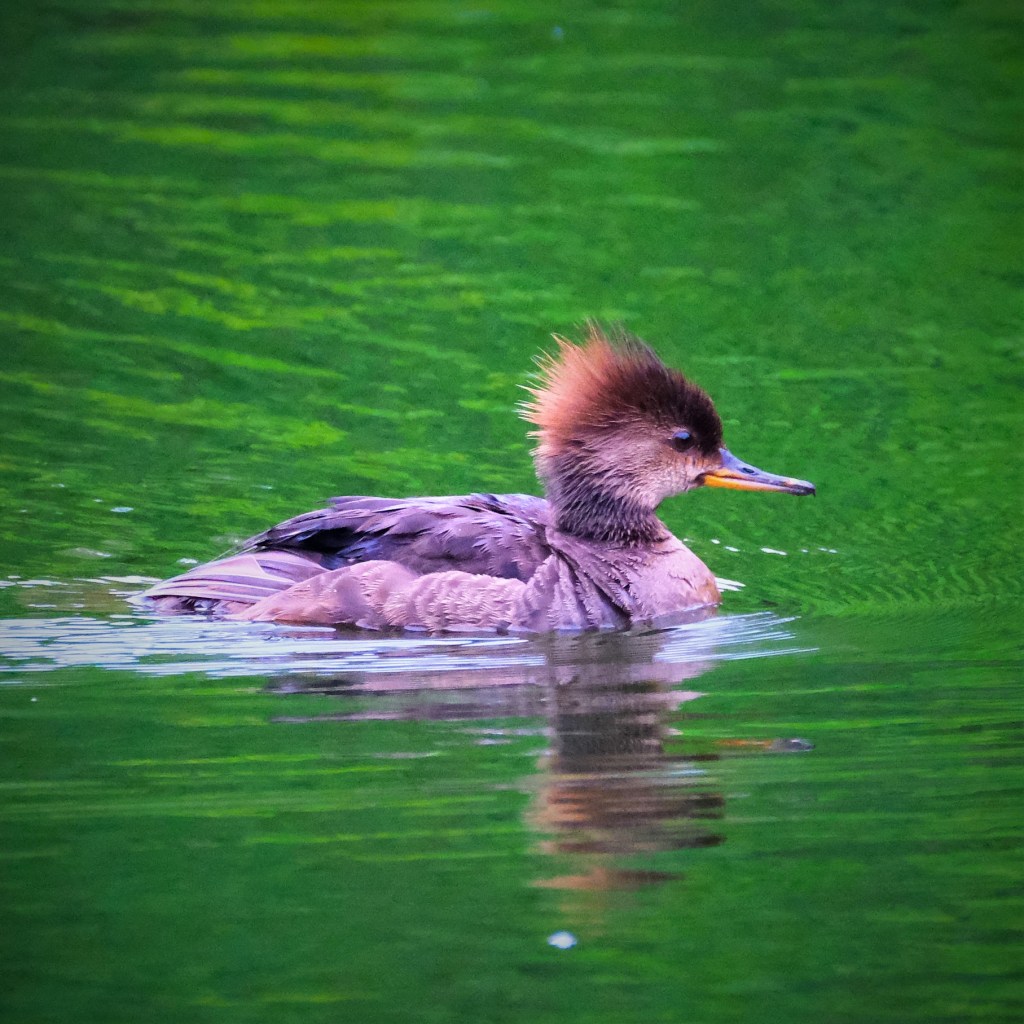
The situation on the river is similar, but I did manage a better-than-usual picture of the buffleheads, and I spotted what appears to be a nonbreeding male hooded merganser, from the looks of his bright yellow eye.

Along the river, plenty of little birds are active.

Lastly, some trees are already done with their blossoms, which now form a pretty orange carpet on the oxbow pond beside the river.

I can’t wait to see what April brings.

March heads for the door, as blustery as ever.

It was an odd morning in Estabrook. The temperature was mild enough, but the wind was still quite gusty. The sun was mostly out, but the sky wasn’t very blue. I heard and glimpsed a kingfisher again, but didn’t manage to capture an image yet.
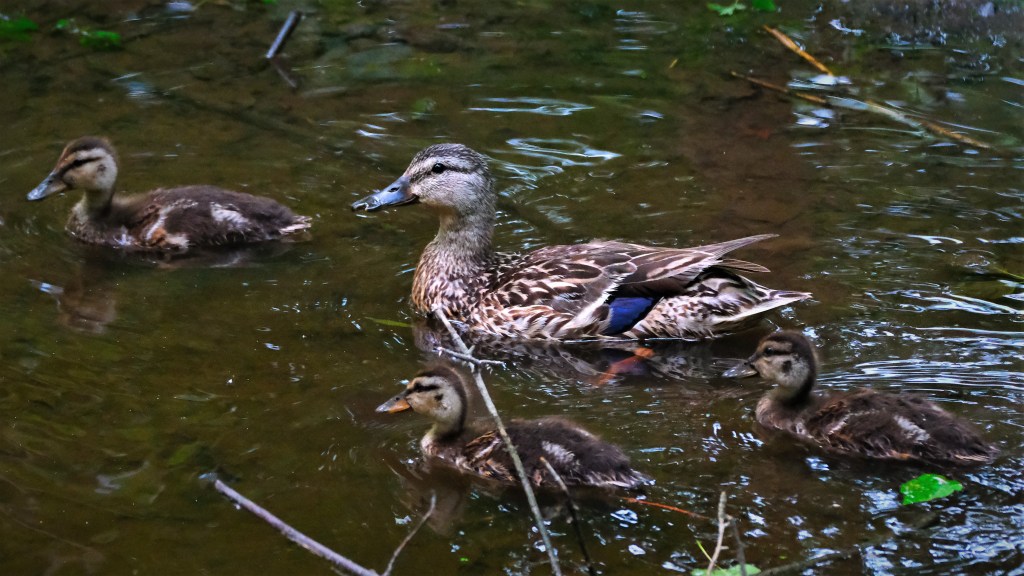
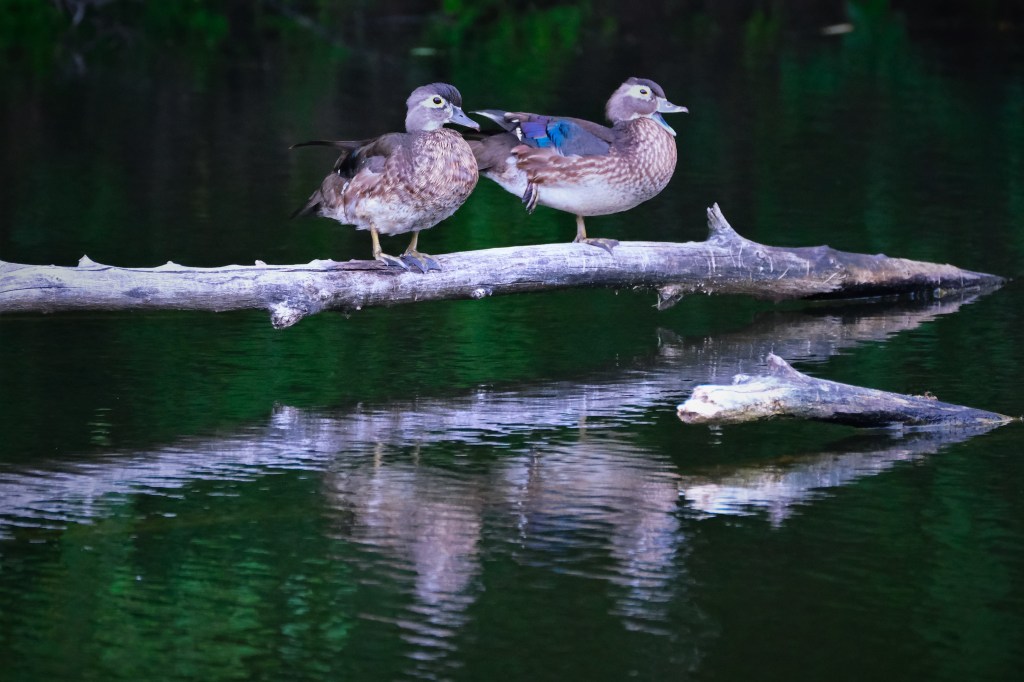
I did finally manage to find wood ducks up in a tree, a sight which eluded me all last summer. They started out low, on a log over the oxbow beside the river.

And then they went quite high.

When I first got to the pond, it seemed that nobody was there, but it turns out that our heroes were indeed in their spot on the southern tip of the island, a second couple were actively working on a nest on the northern tip, and a third couple were still trying to decide if they were going to make a go of it halfway in between. Nobody was on the water, and all the other couples and that one oddball appear to have finally moved on,.

When I came back for a second visit the only change was that a few wood ducks had flown in to search for whatever anyone might have left on the lawn.

There was the usually chorus of chickadees, robins, cardinals, juncos, and woodpeckers throughout the park, but nobody was in a posing mood this morning. Instead, I found this tiny patch of moss growing in a natural planter and glowing in the early morning sun, and that’s gonna have to be your splash of color for today.
The chipmunks return…

Our latest arrival in the park this morning is this little chipmunk beside the Oak Leaf Trail. I read that they hibernate for the winter and are now re-emerging. I’ve spotted them a few times over the past week or two throughout the park, but this was the first one to sit still a bit for me. Actually, there were two of them, and they both seemed torn between chasing each other and freezing so I wouldn’t see them.
The geese are all still doing their thing on the pond. The goose on the southern tip of the island is still incubating, and the one on the northern tip is perhaps still laying. The were at least two more couples, and their clocks have got to be ticking now. Time to lay eggs or find another spot.

Oddly, there wasn’t a duck on the pond this morning during either of my visits, but happily, there are still ducks on the river, and the goldeneye odd-couple seem to have joined forces with the buffleheads. Mallards are still plentiful.

Lastly, the cardinals are still staking out their territory as loudly as ever, and since the sky finally started to turn blue again this morning, here’s your splash of color.

Spring keeps on creeping in…

I only managed to document one new arrival today, and it’s this little brown creeper (Certhia americana) whom I found methodically creeping up tree trunks beside the river.

I also spotted, but failed to capture, a group of three cranes, probably sand hill, flying high and drifting south fast in the high winds, and what looked to be a pair of blue-winged teals on the river. The white stripe on his face really gives it way, but I was just too slow on the draw again.

On the pond, our heroes are still sitting on and guarding their nest on the southern tip of the island, and nobody was on the northern tip. I read that it can take several days to lay a clutch of eggs, and the goose will not start incubating until they are all laid so that they will all hatch at about the same time. Perhaps that’s what’s going on here.

The wood ducks were nowhere I could see when I first arrived, but I counted five of them when I returned. They seem to like hanging out with Canada geese. I read that geese make good guard animals, and maybe the wood ducks take advantage of that.

Finally, as I was watching the wood ducks on the pond, it occurred to me that we haven’t seen Mrs. Gadwall in a while, I wonder if she finally continued on, and that’s right when I spotted her.