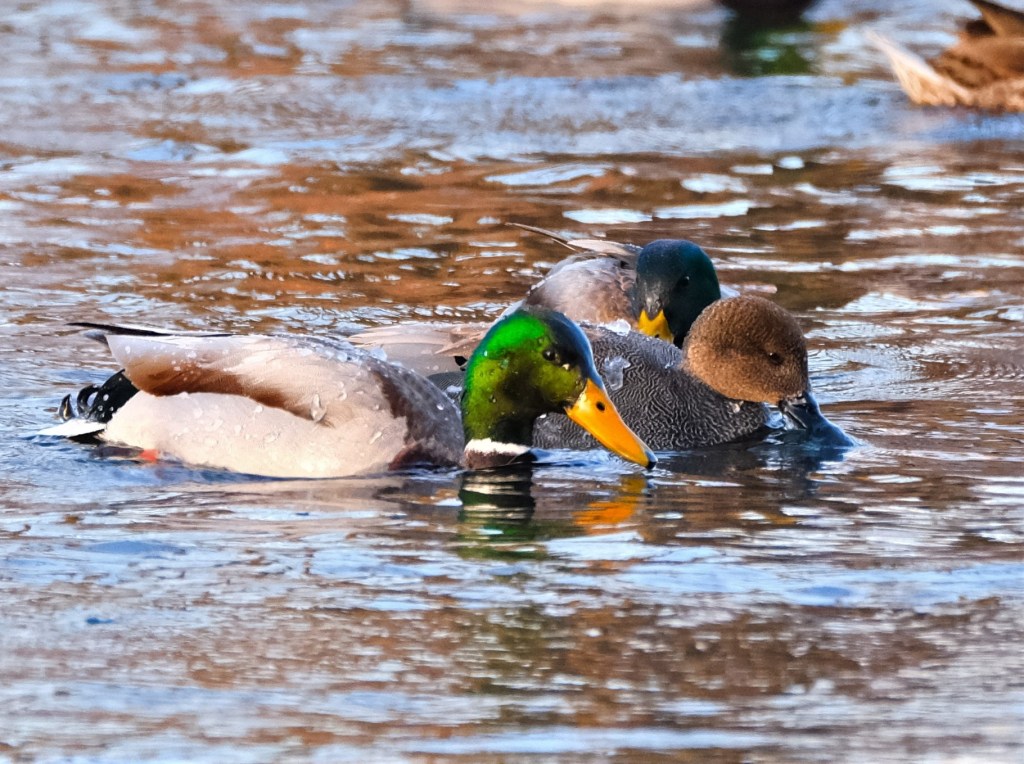
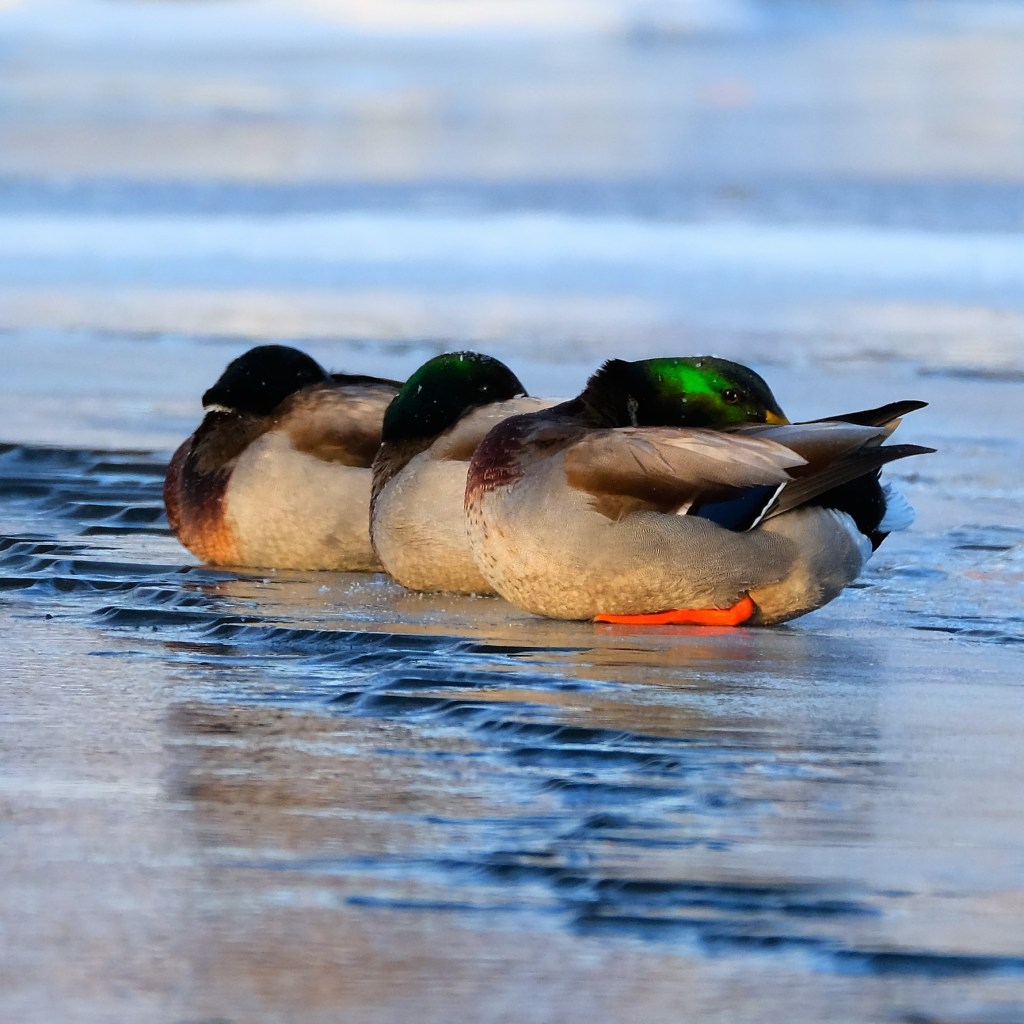
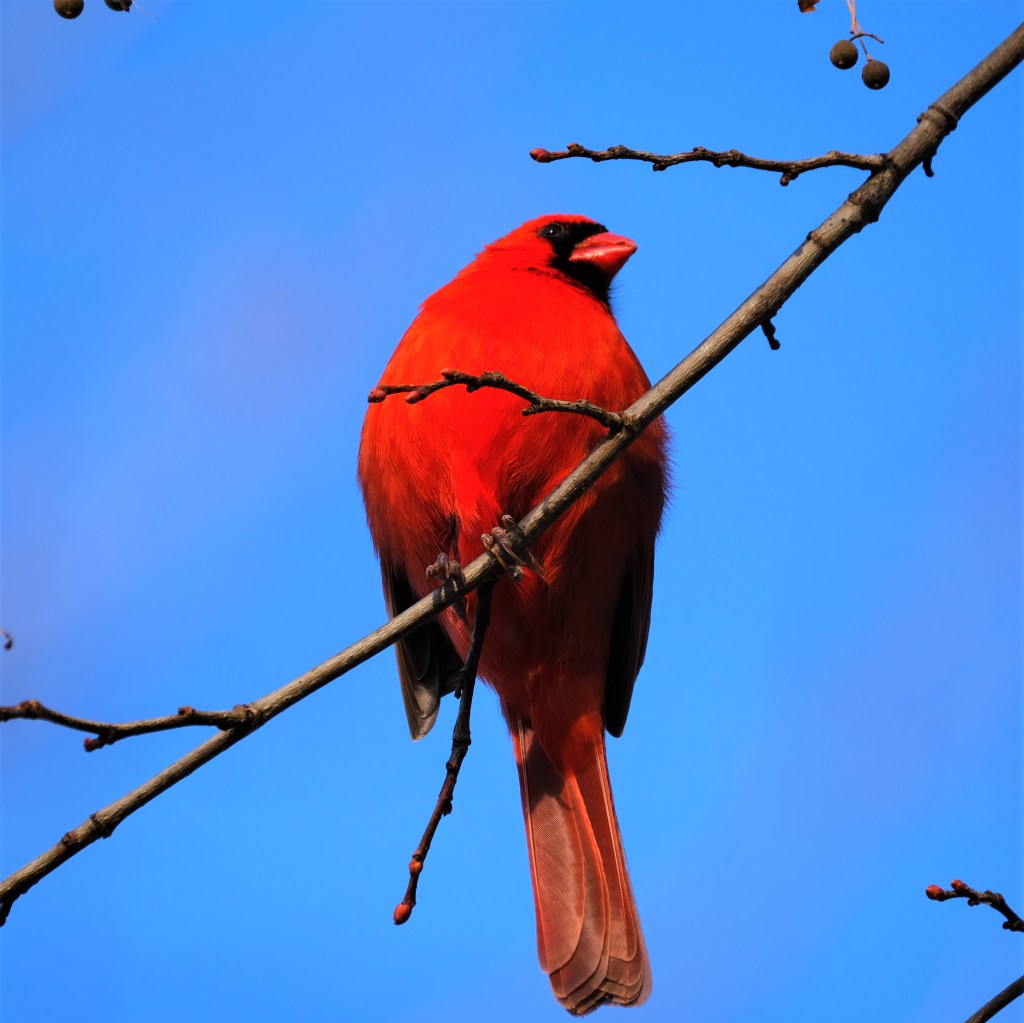
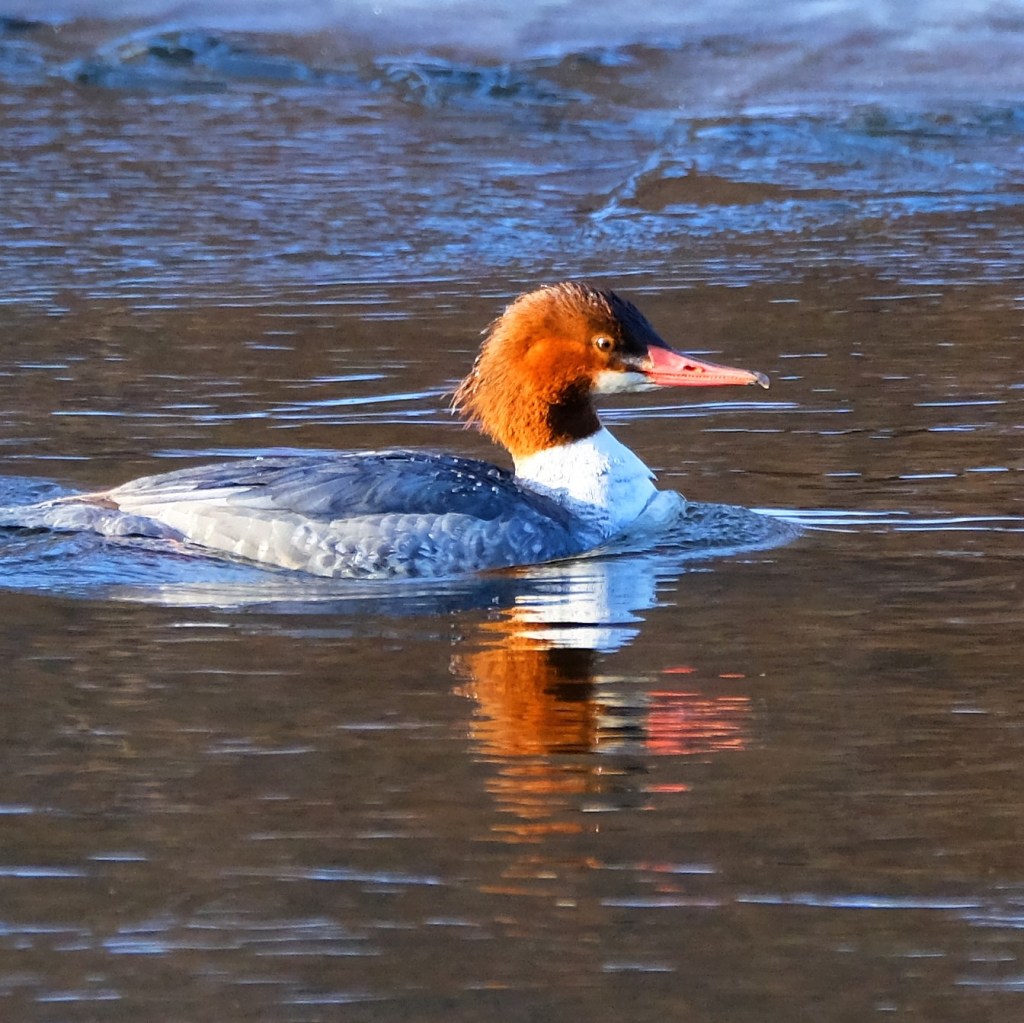
Some new faces and new behaviors…

Wow! Our luck with this beautiful weather just keeps holding. No matter what Billie Joe Armstrong says, I’m glad I’m not sleeping through this September.

I did sleep a little extra this morning, though, and by the time I got to the pond, there were already two guys taking pictures of the wood ducks on the west lawn, so I said good morning to the young night-heron on the east side and moved on to the river.

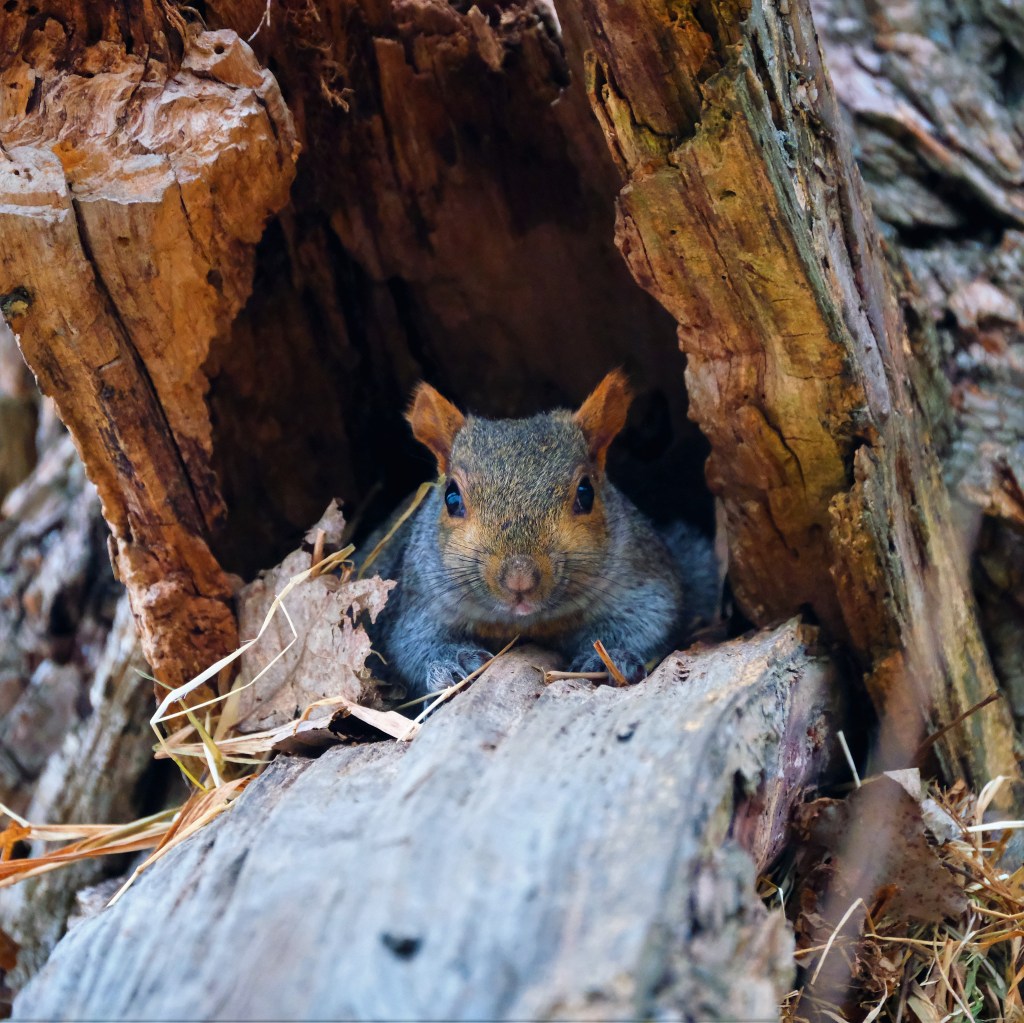
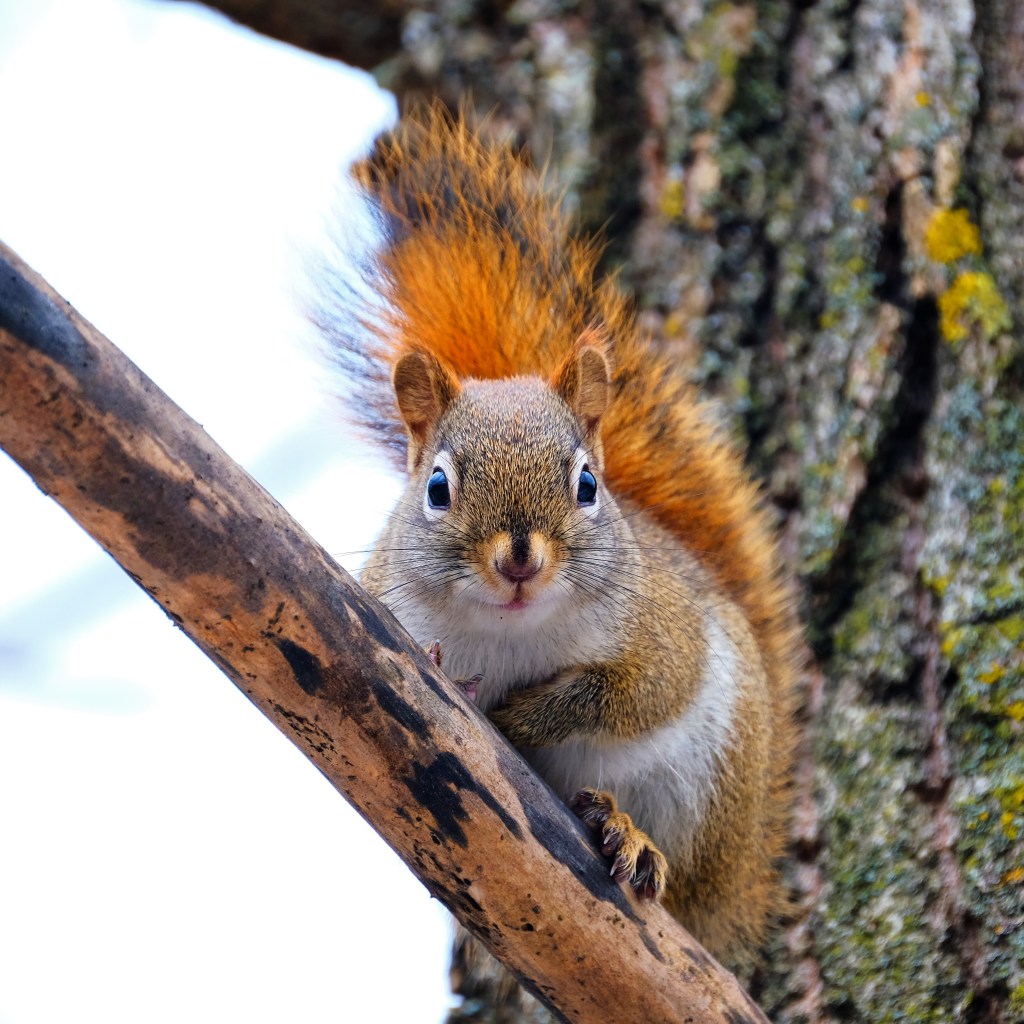
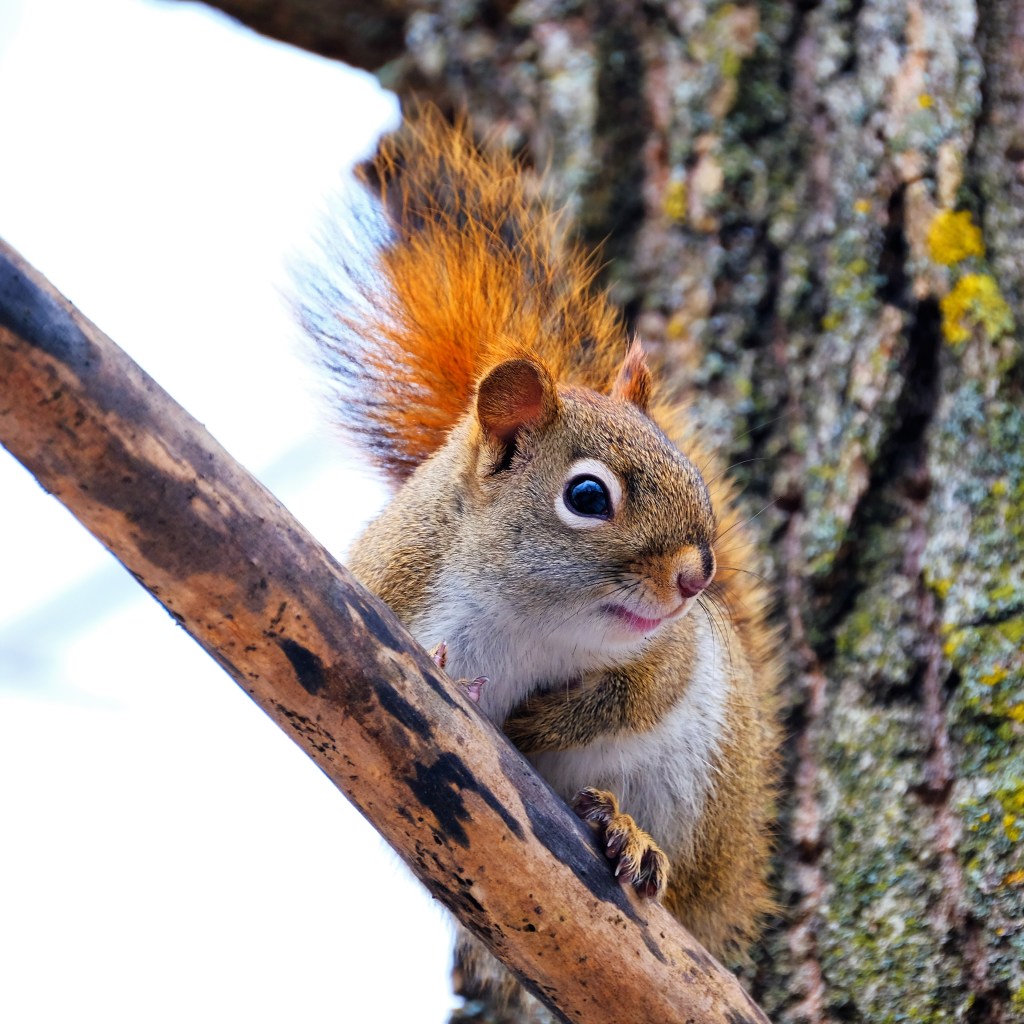
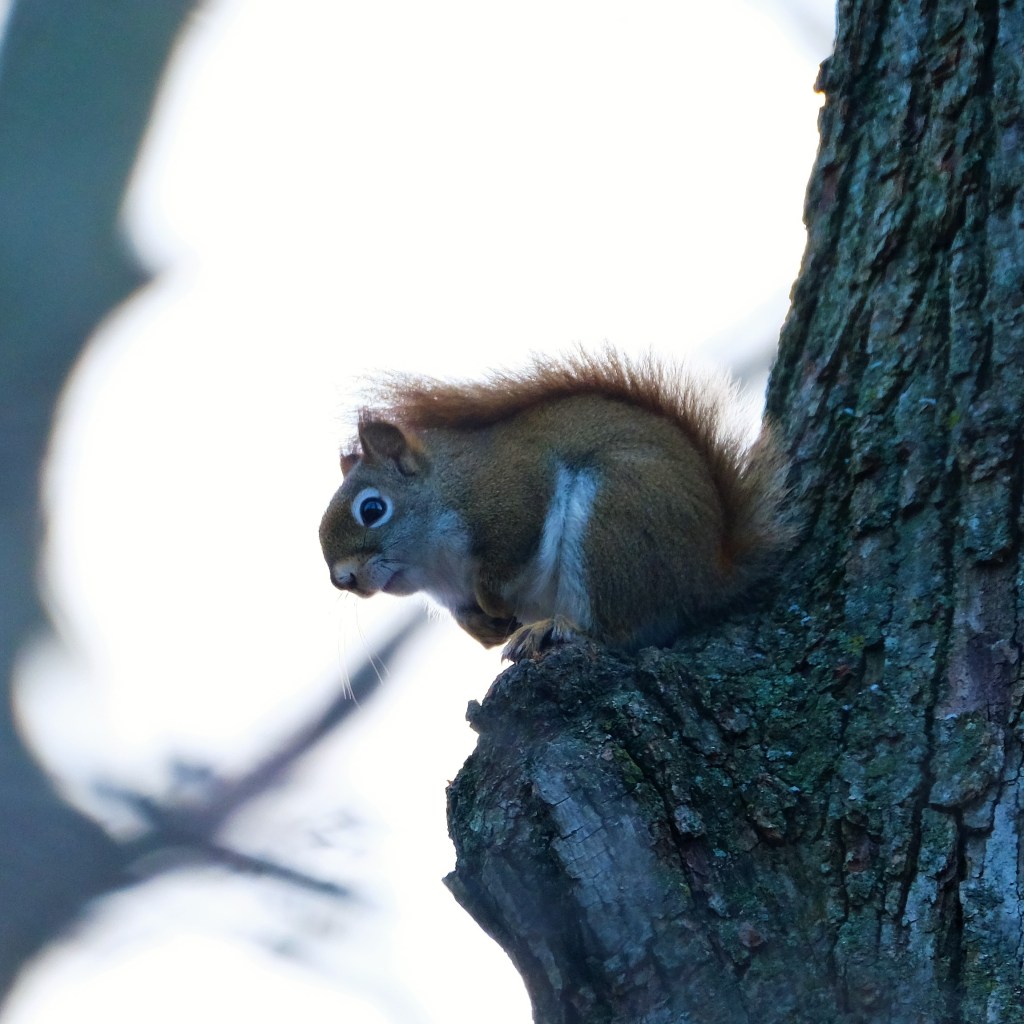
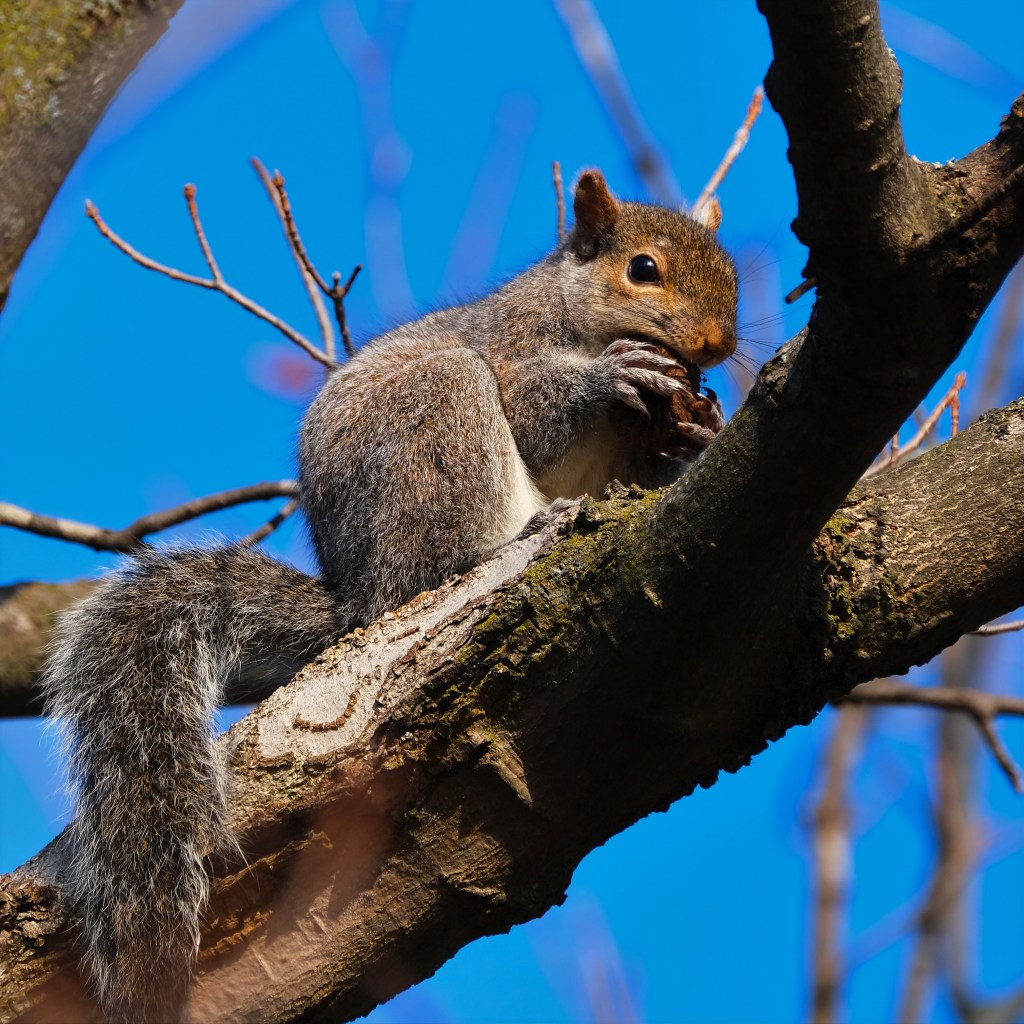
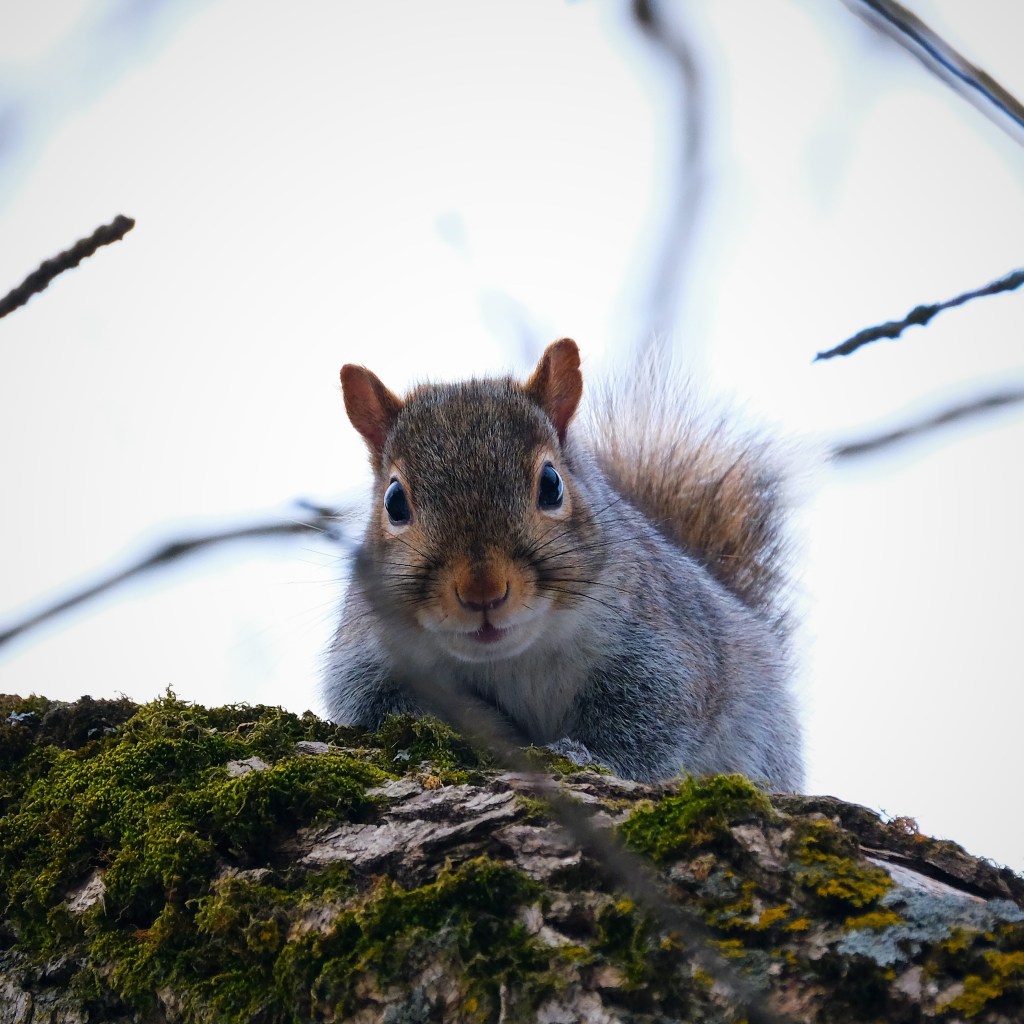
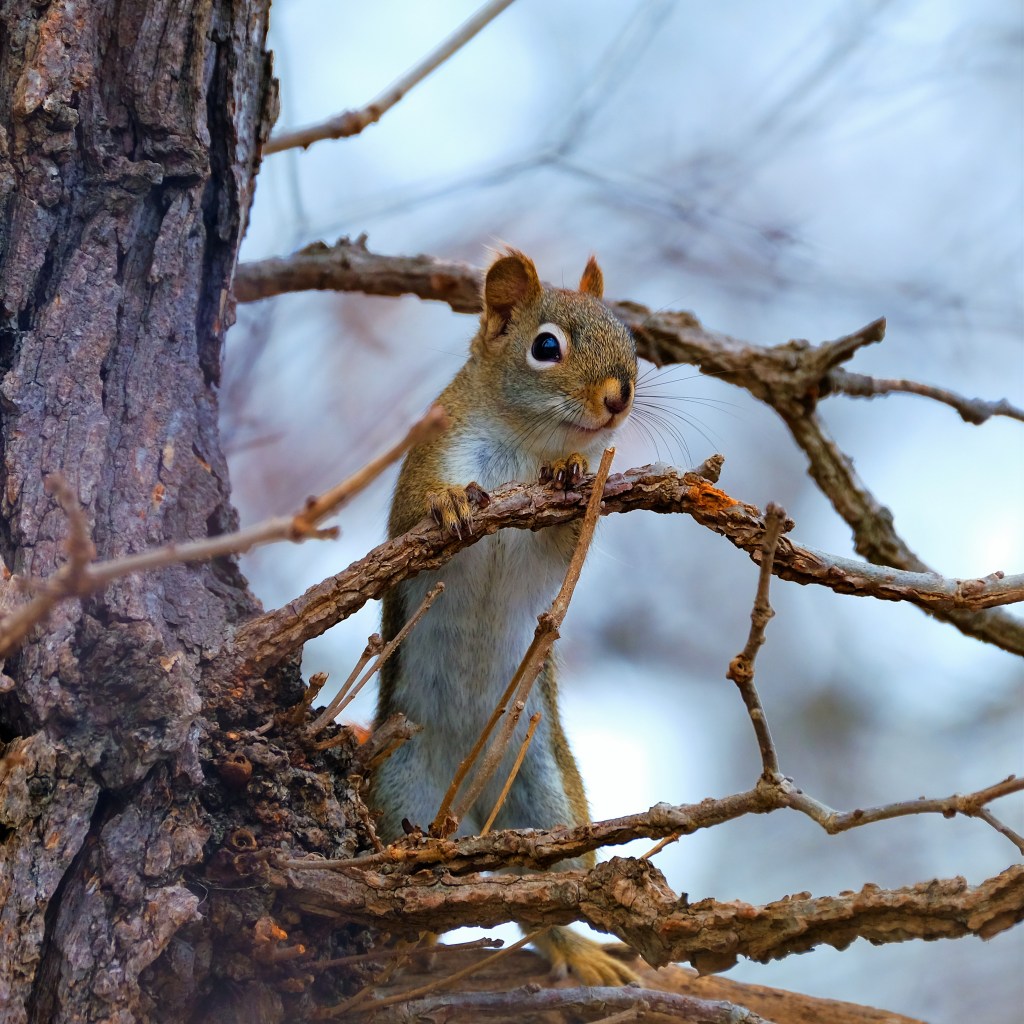
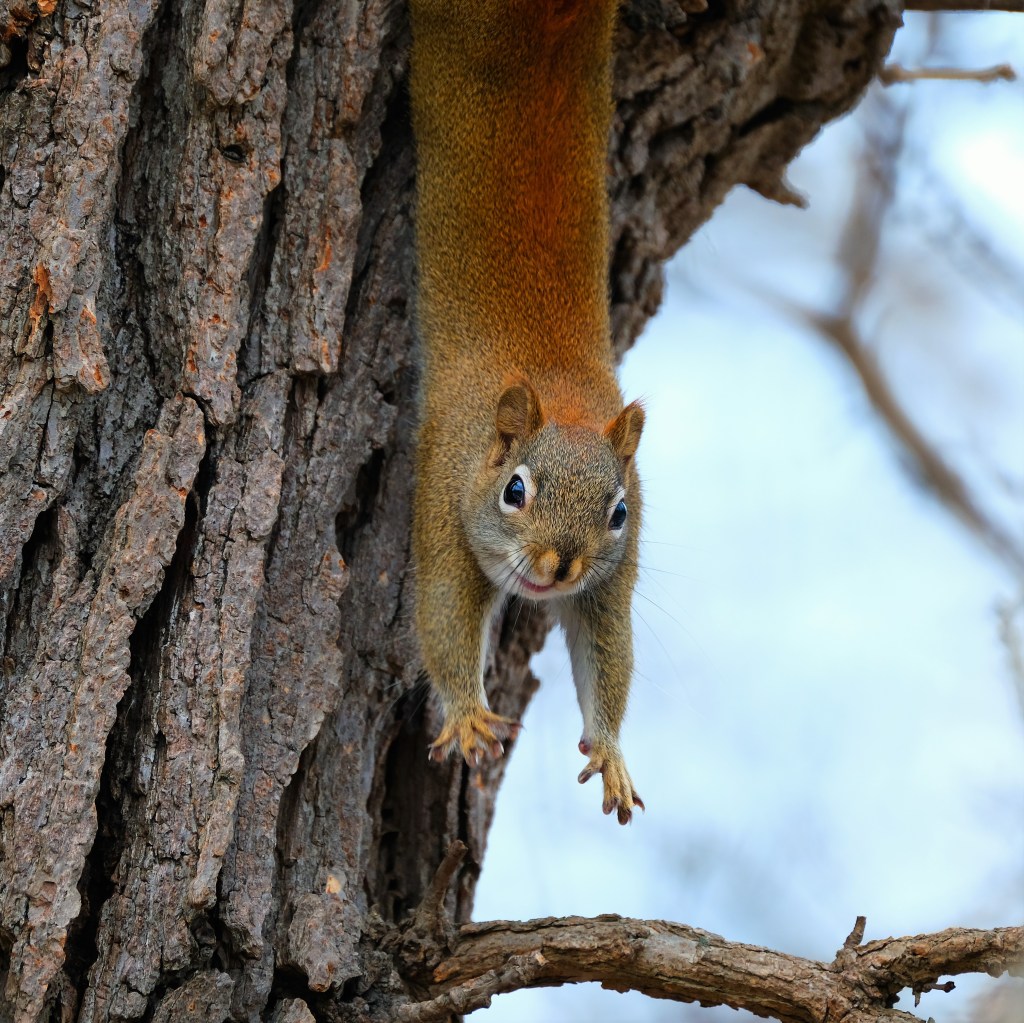
On my way, I spotted this little character who was wondering if I was really gonna take yet another squirrel picture, but who could resist that face, so yes, I did.

As I got to the water, I was greeted by another little cutie, this red-eyed vireo hopping around a willow tree hanging over the water.

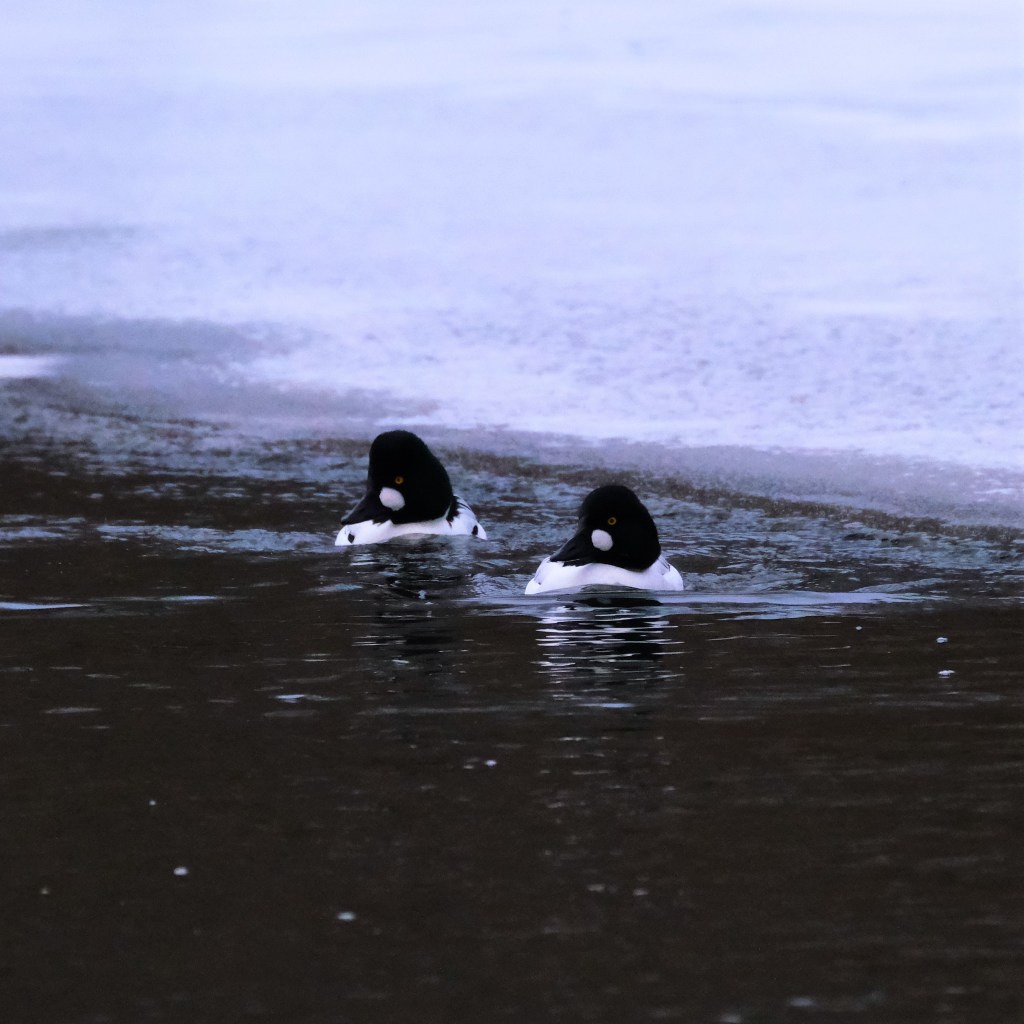
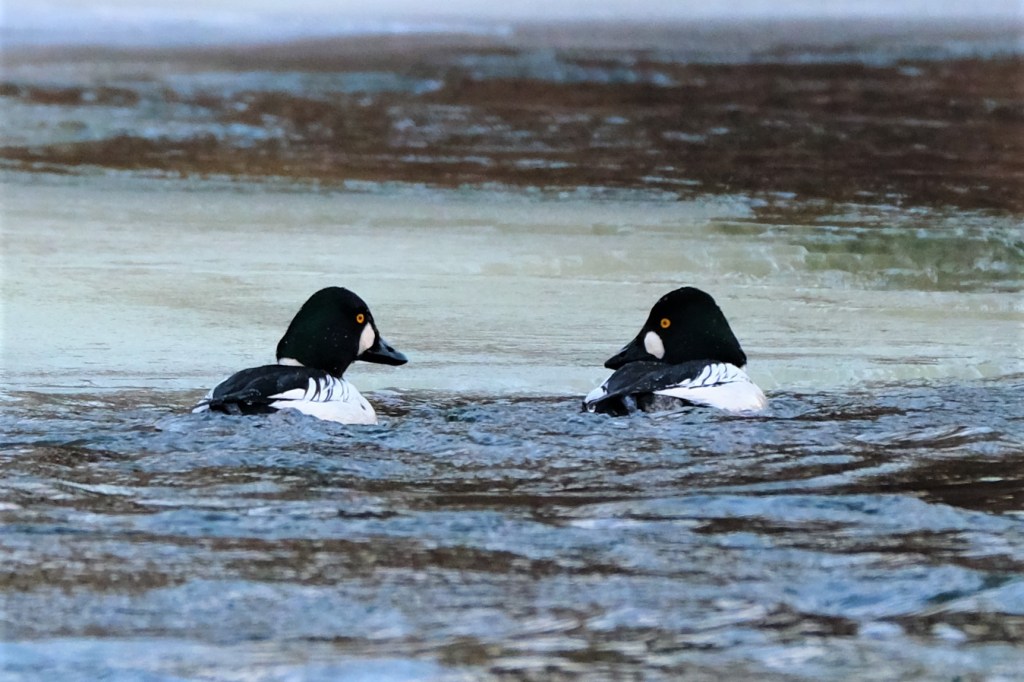
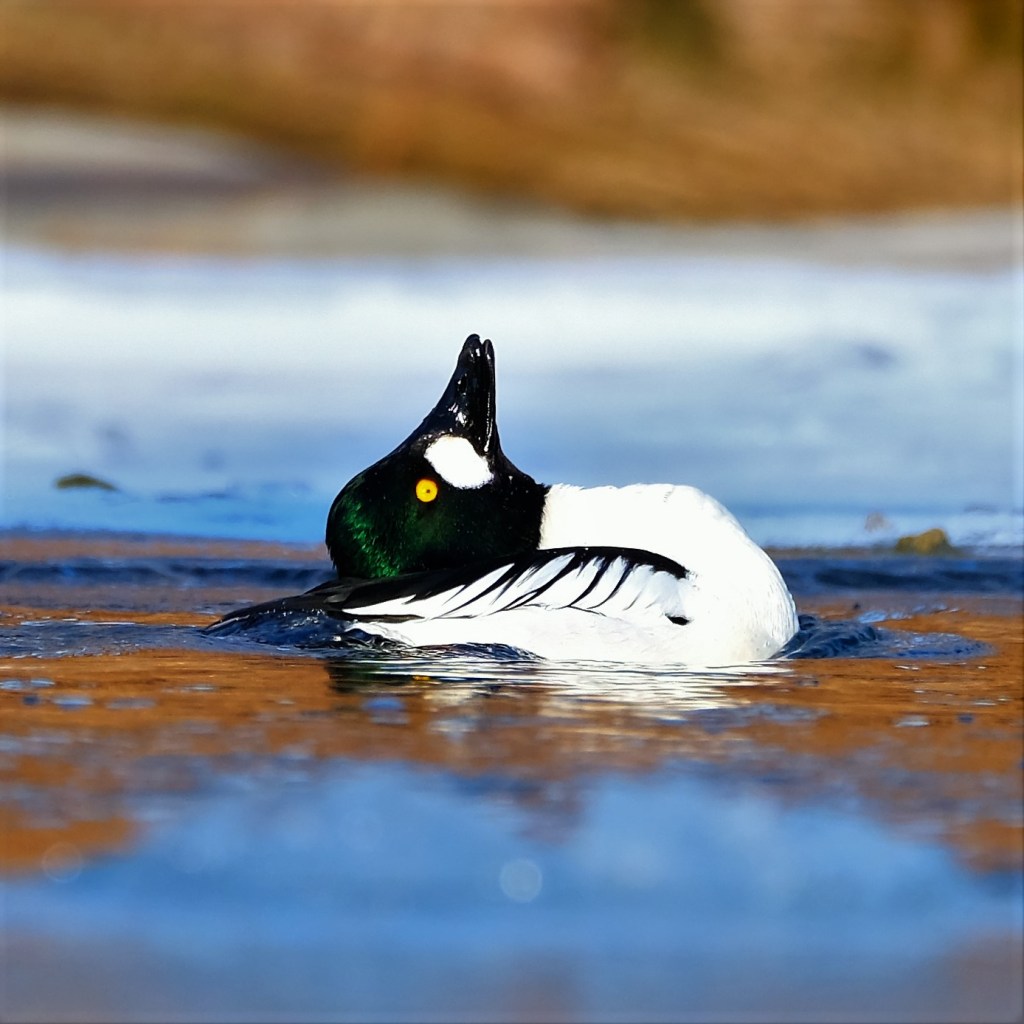
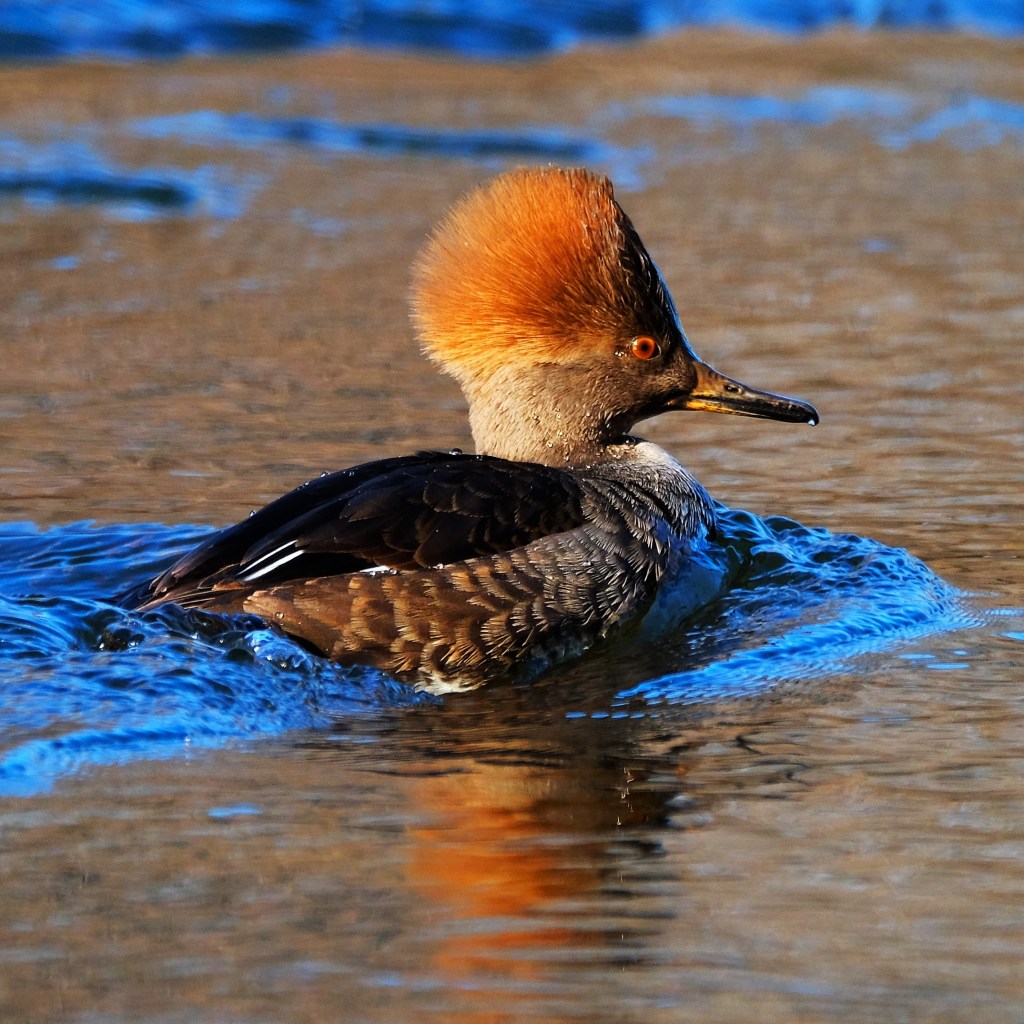
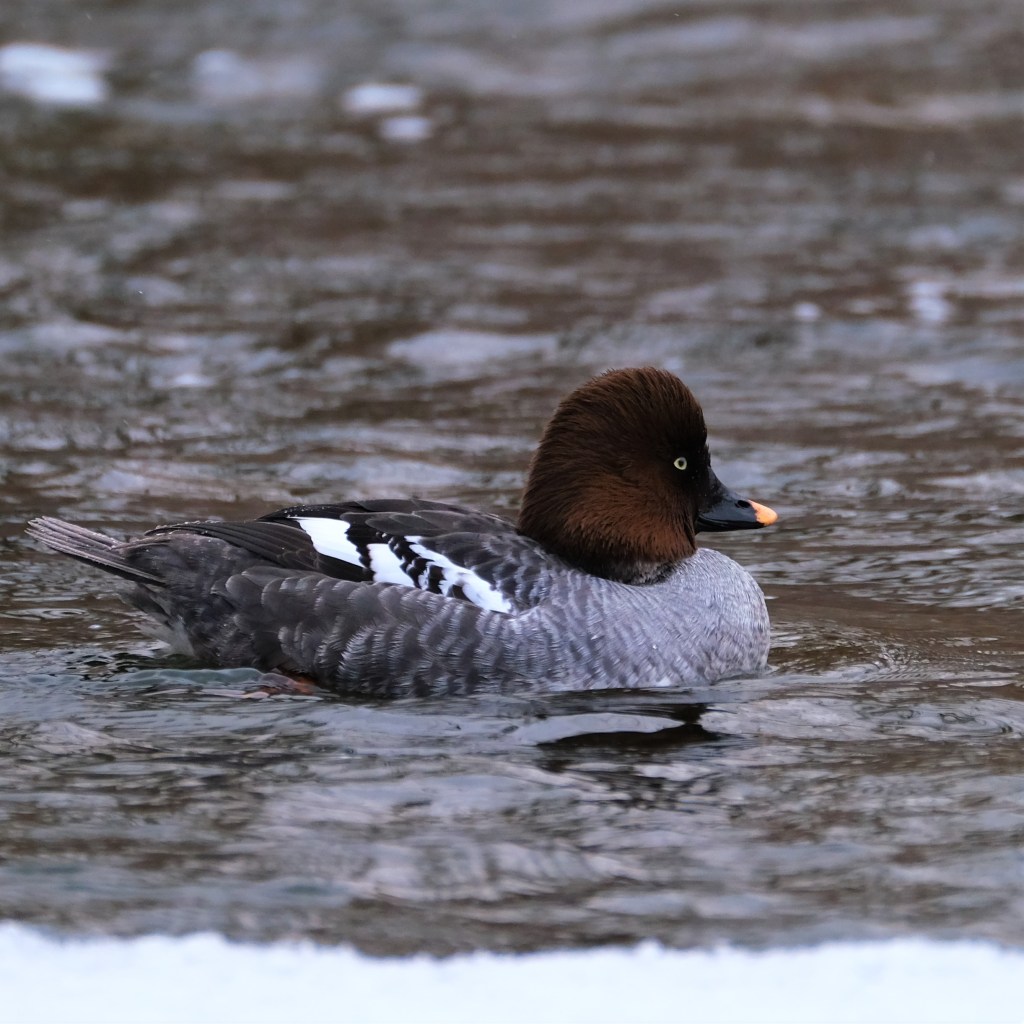
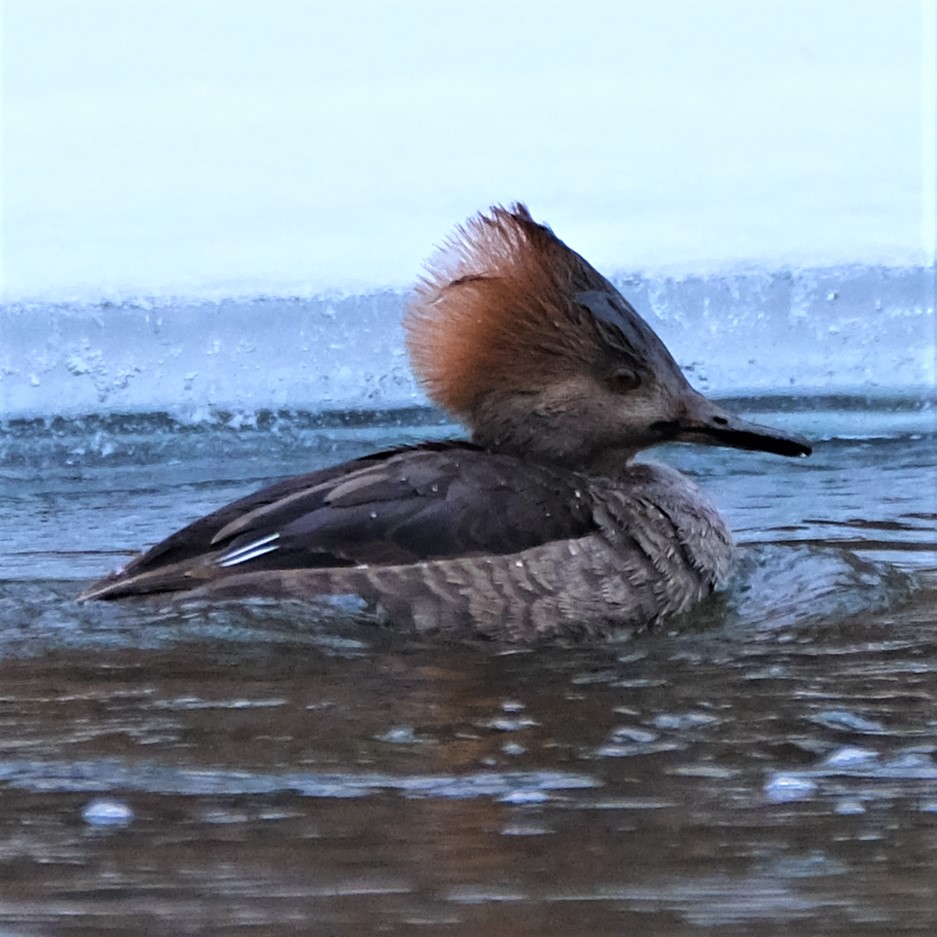
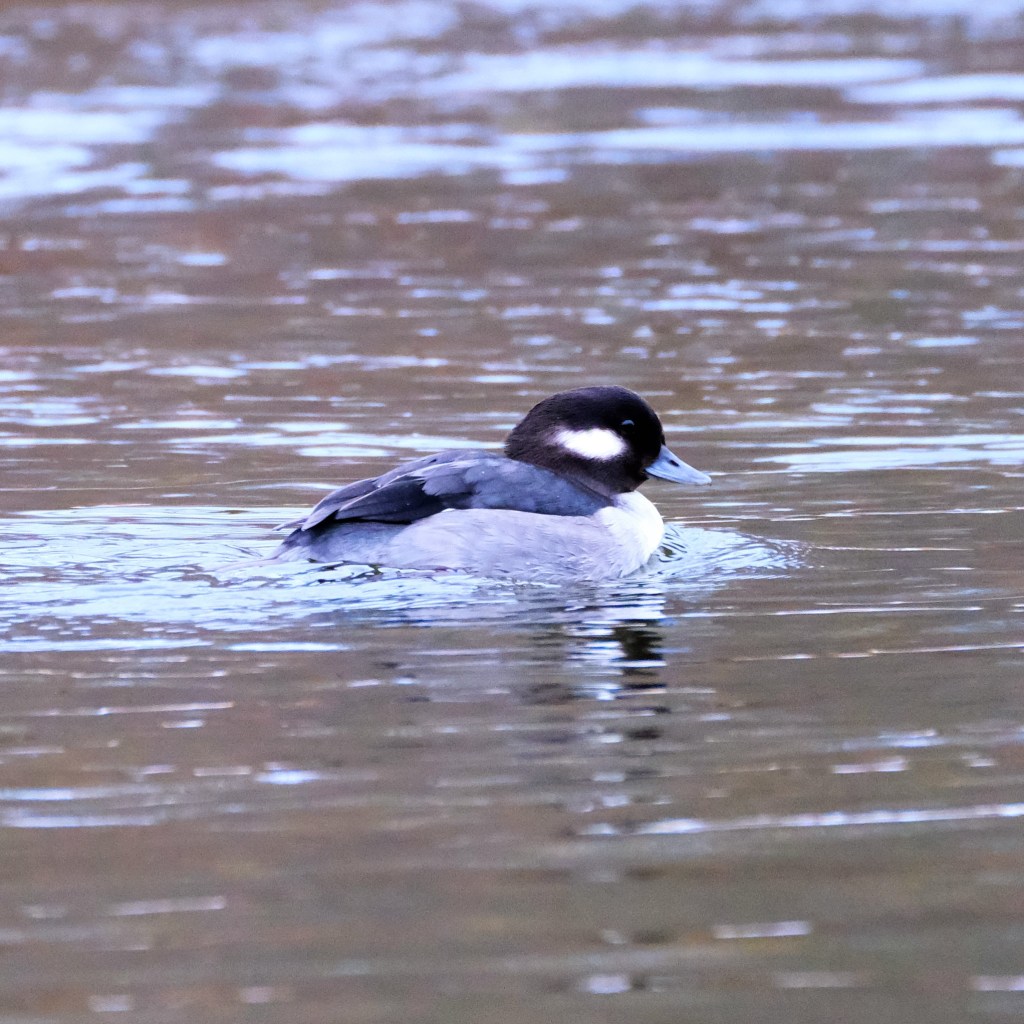
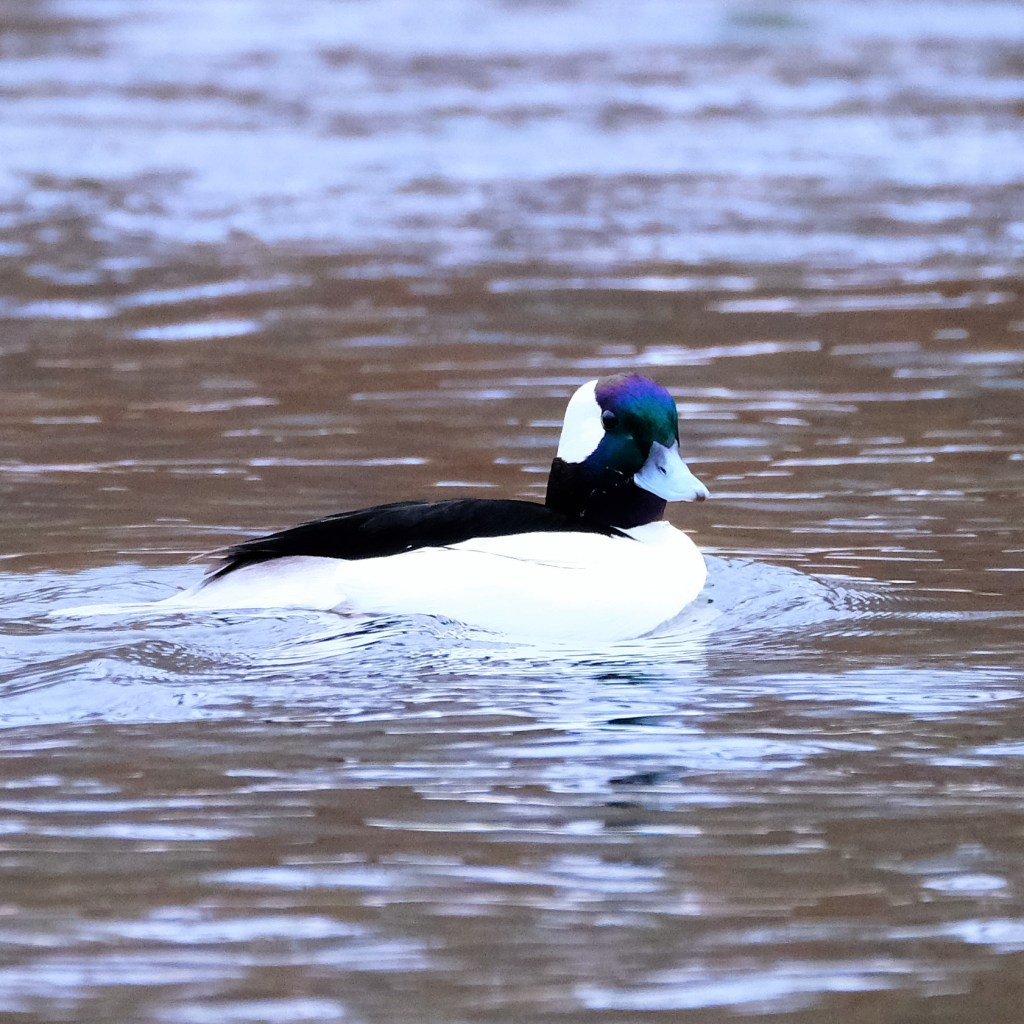
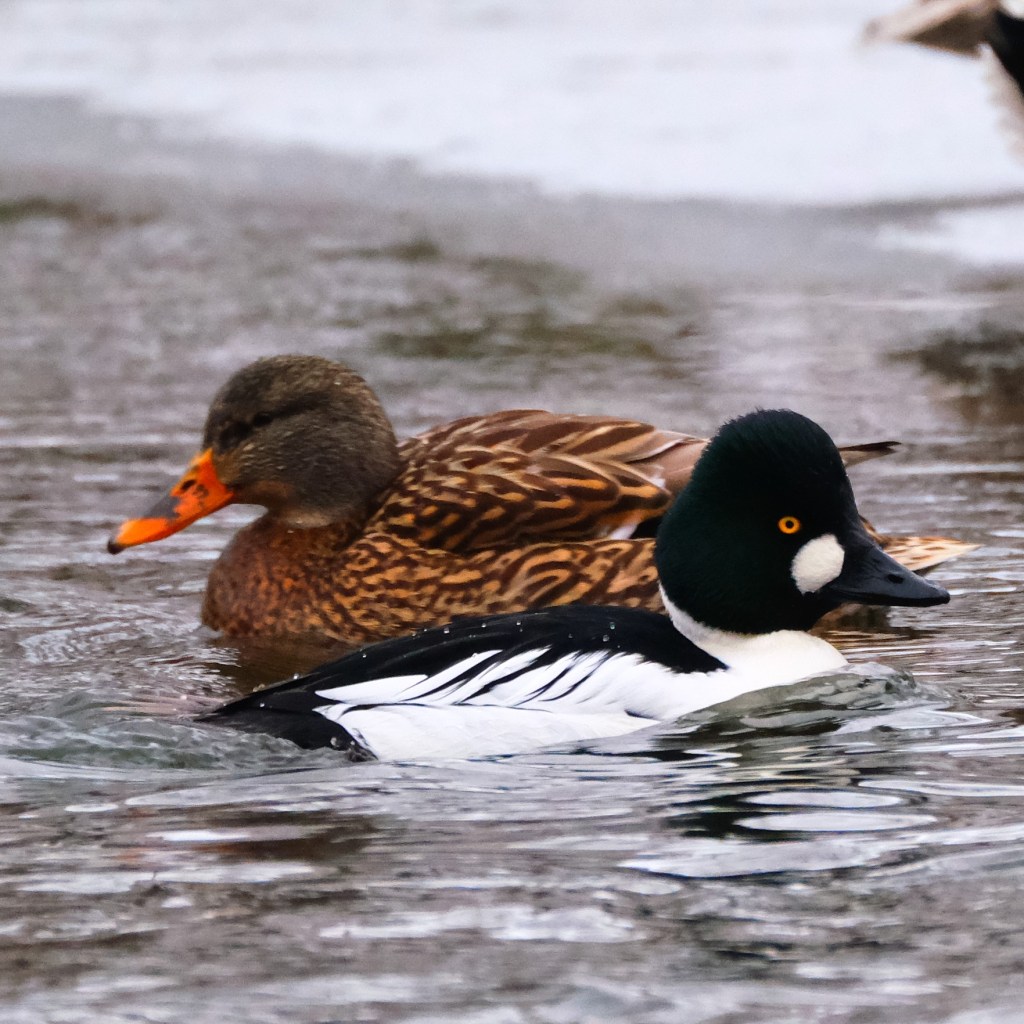
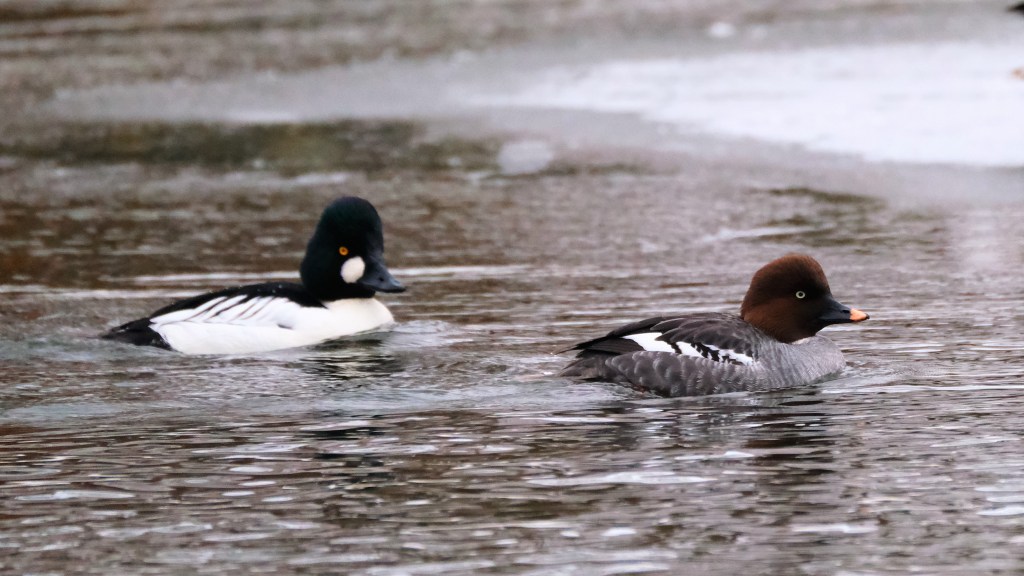
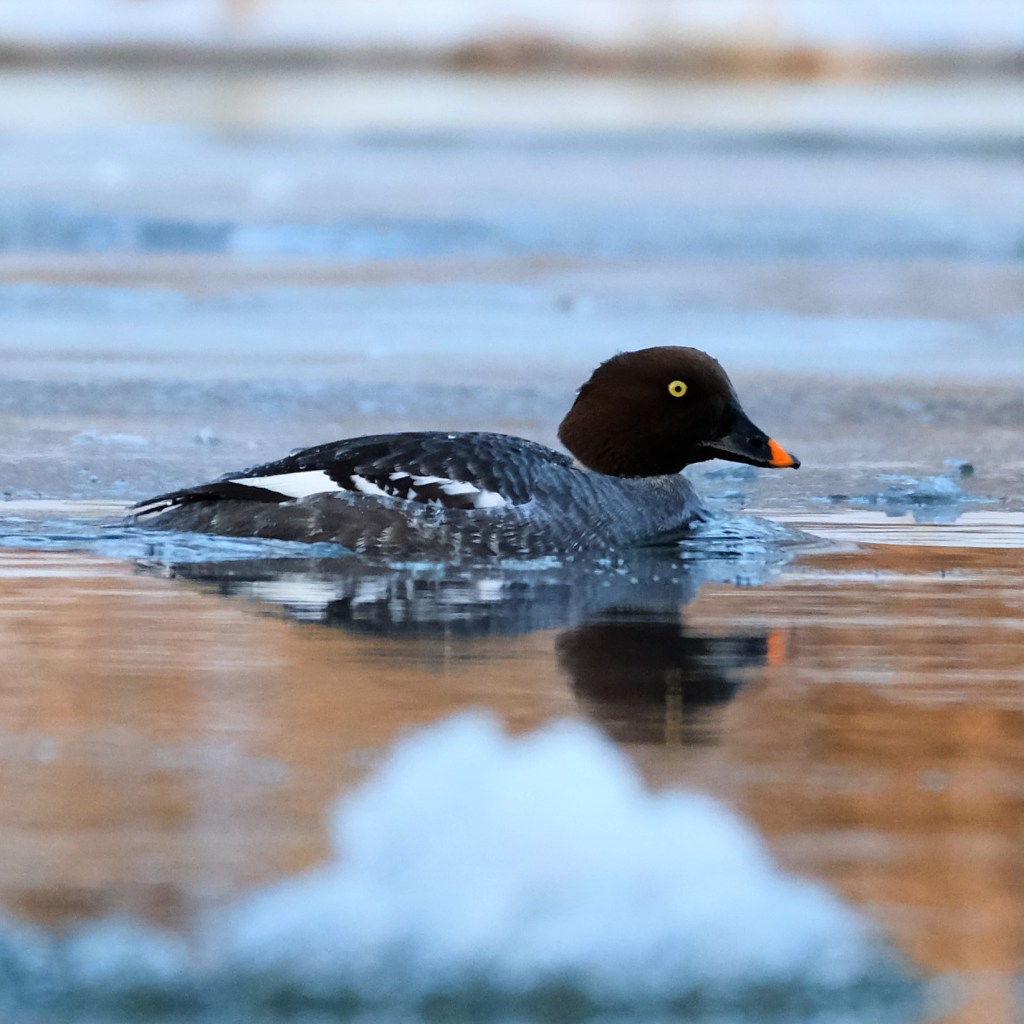
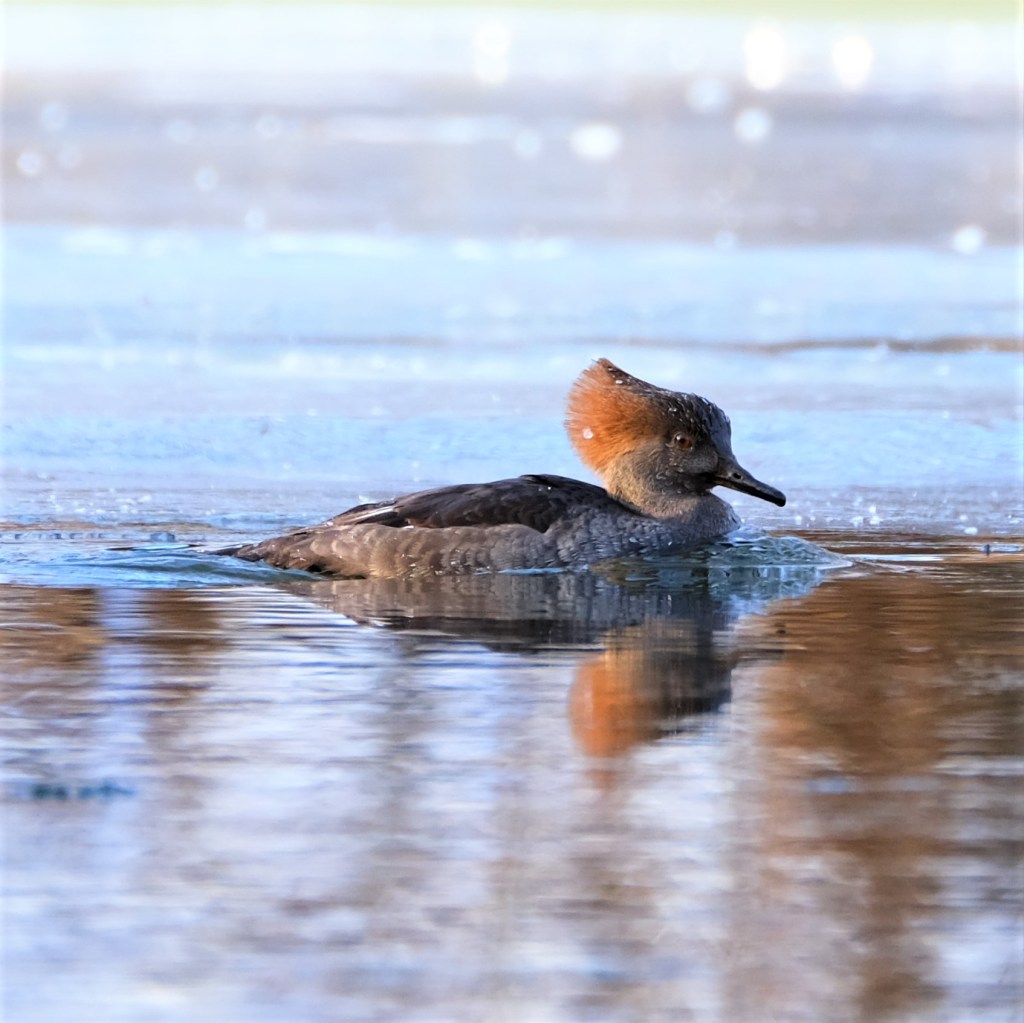
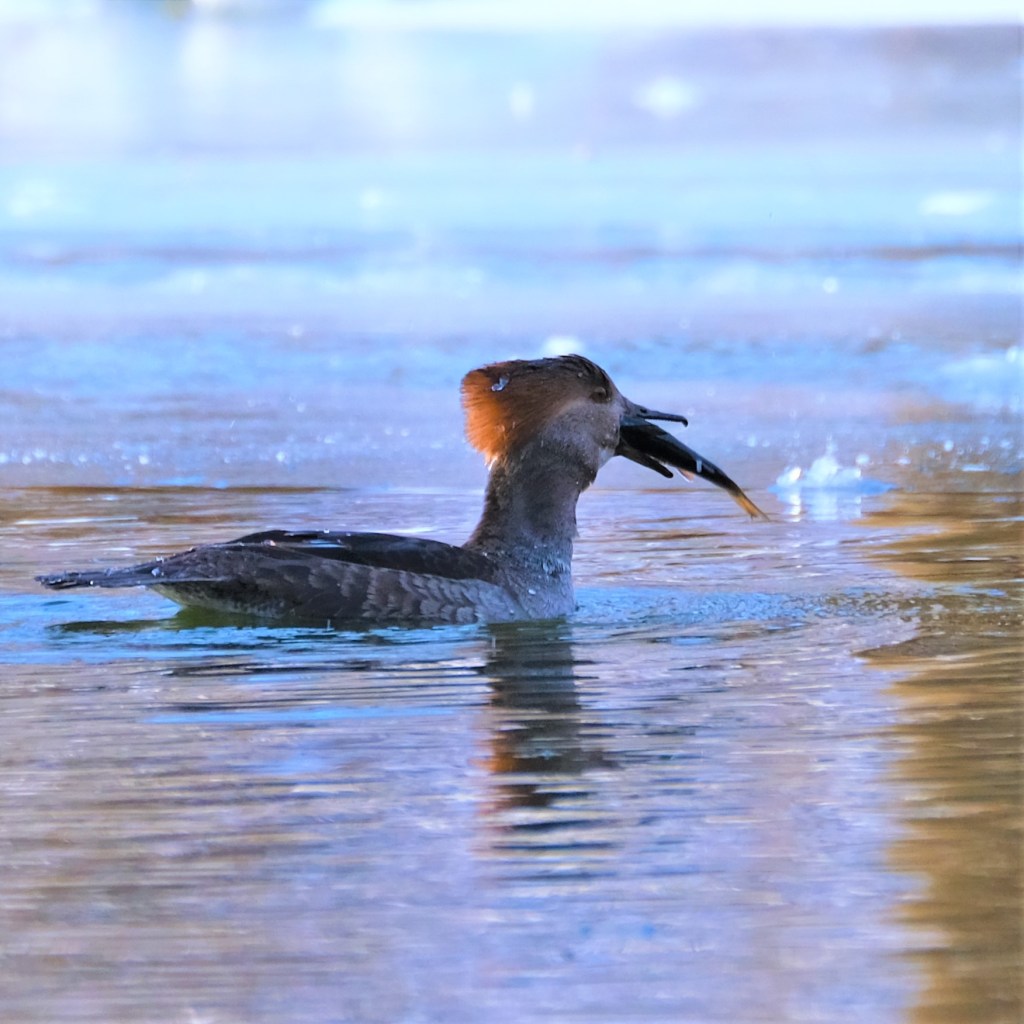
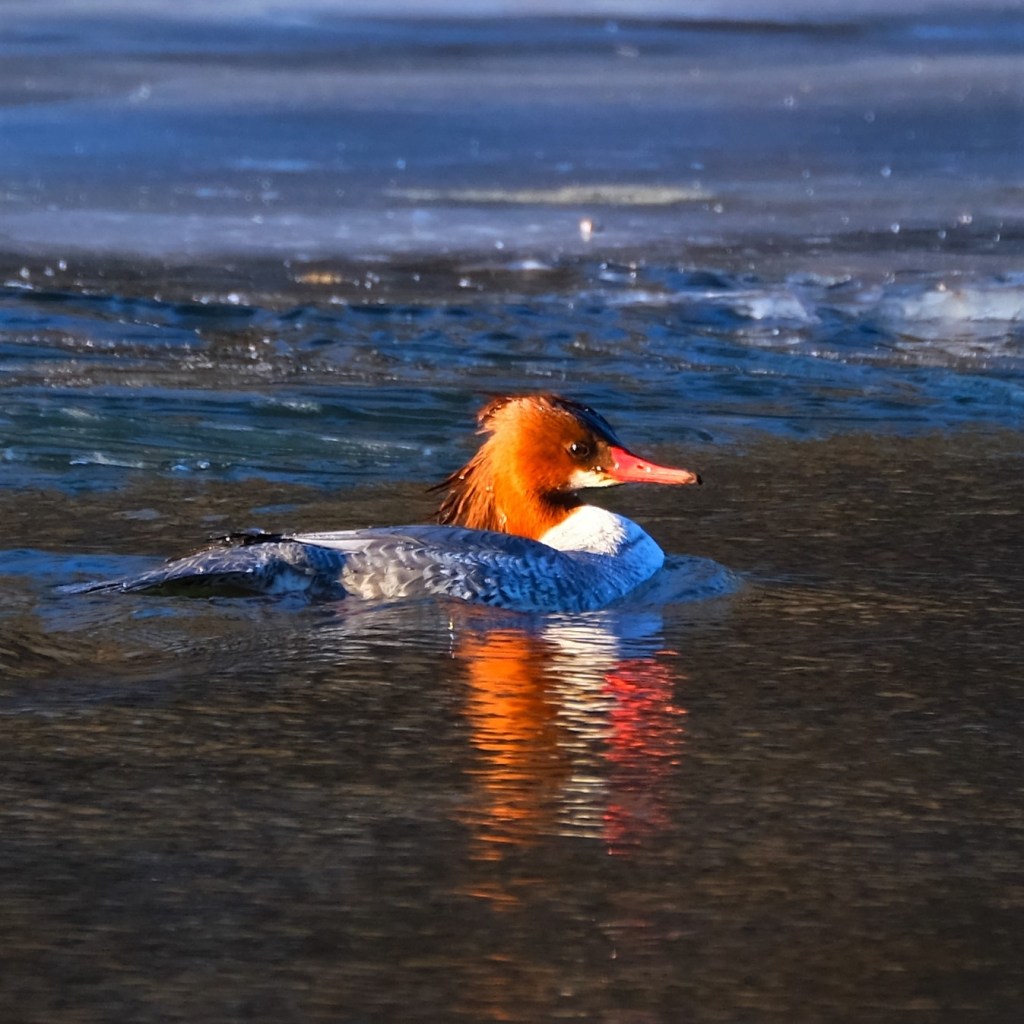
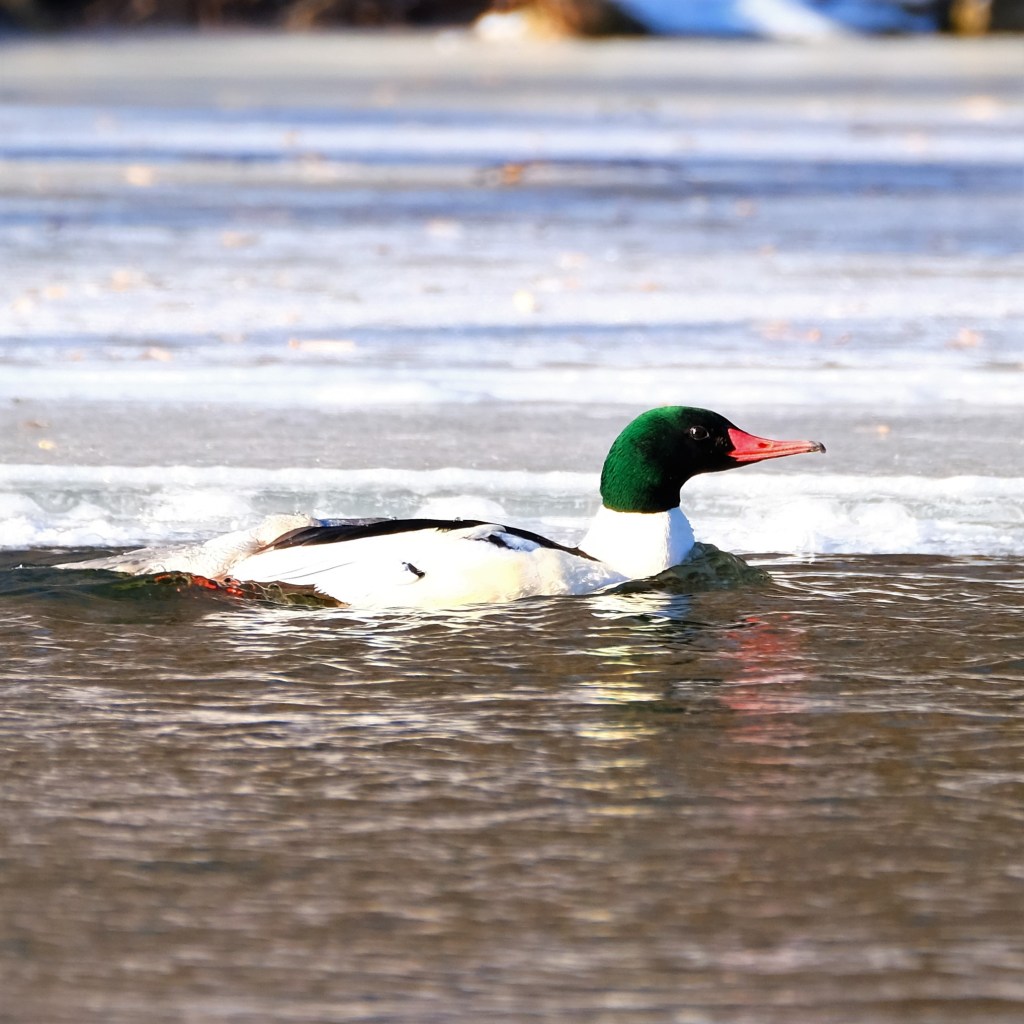
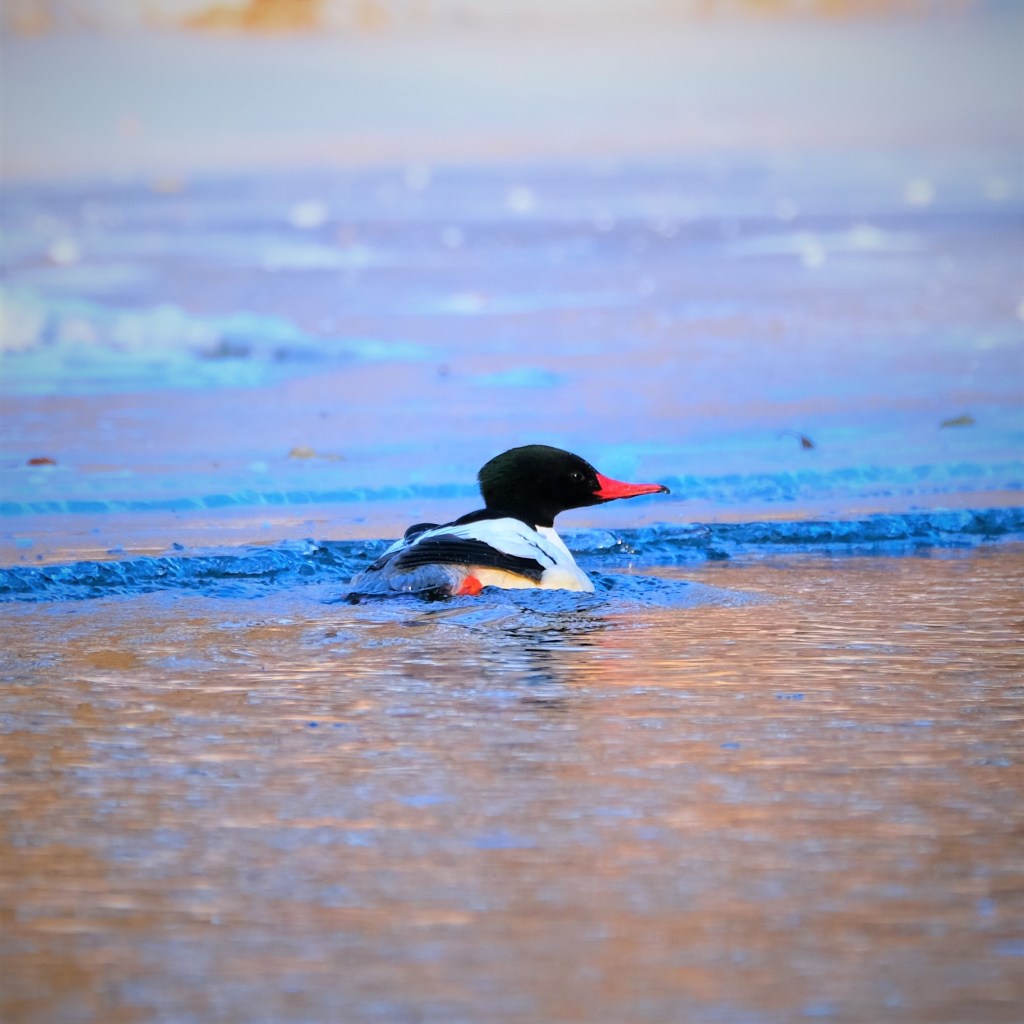
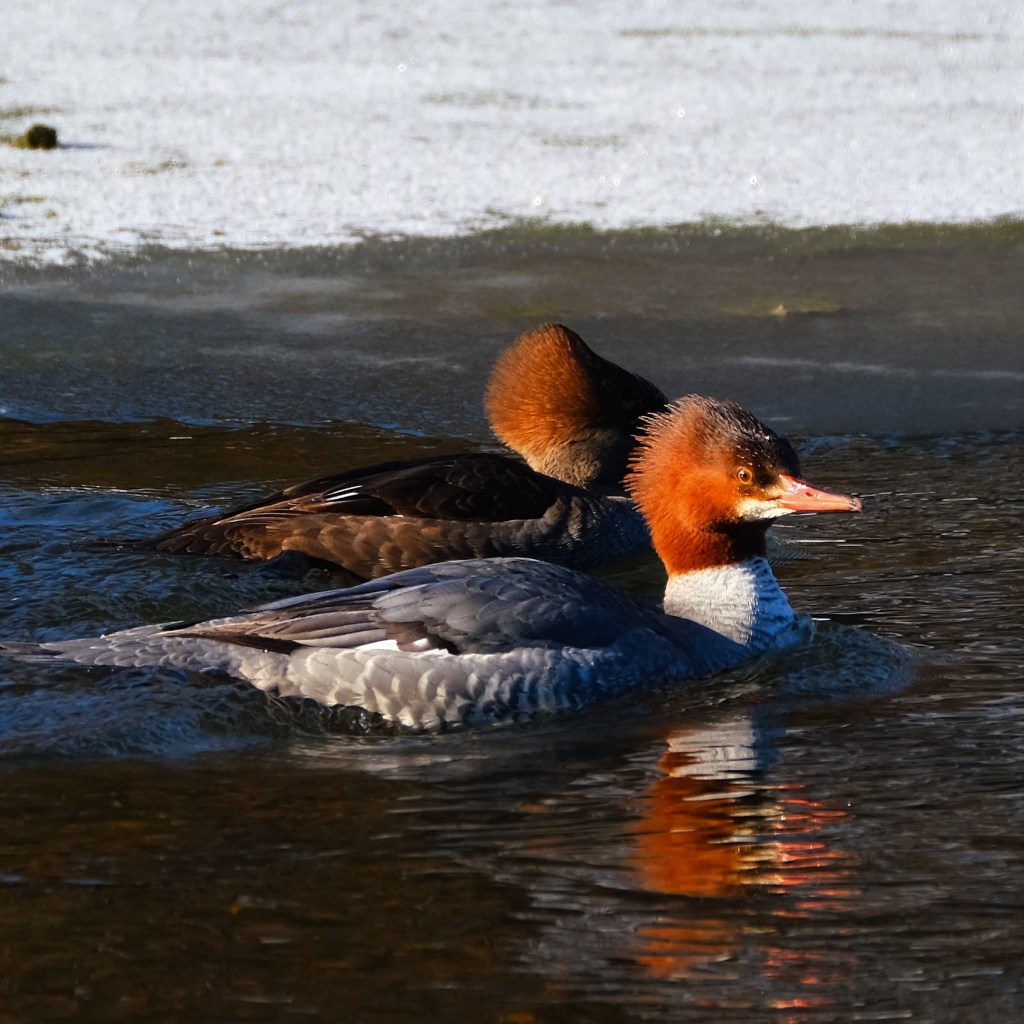
Out on the water, one of the hooded mergansers was still here and taking a break from hunting crayfish at the moment.

But this wood duck hen was busy feasting on the latest fly hatch that was all over the water surface.

Back on shore yet another little cutie, this ruby-crowned kinglet was also hopping from branch to branch. After summering in the UP, or points north, it’s on its way to Tennessee, Kentucky, or points south, so it better eat up.

But wait. There’s more! The trees along the river were really alive this morning, and this female American redstart was contributing her splashes of color to the show.

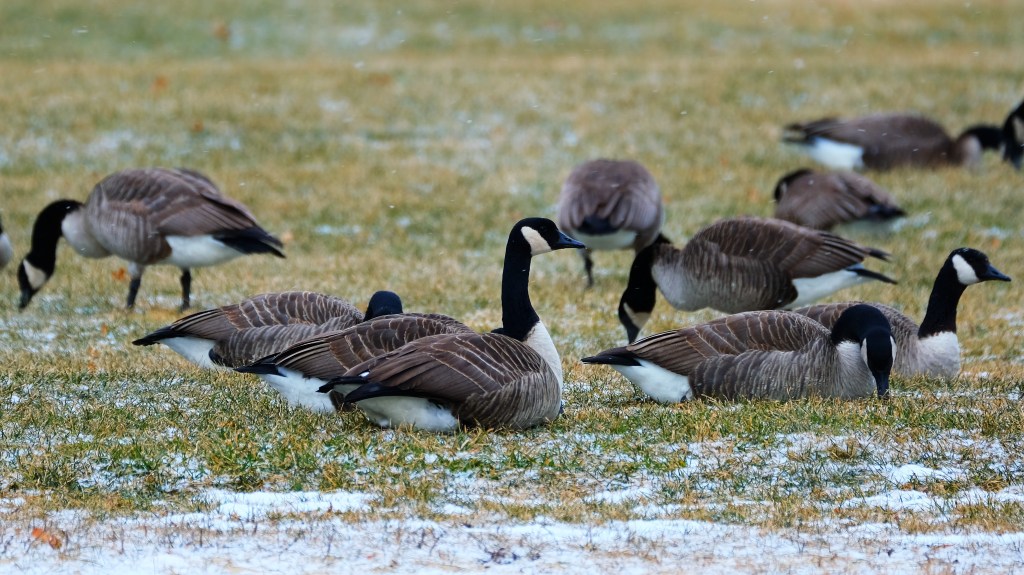
Back out on the water, a pair of Canada geese were repeatedly dipping their heads into the water as they circled each other. If it were March or April, I’d have expected them to take it to the next level. I wonder if the pair with three good wings between them, who were also there this morning, looked on and reminisced about when they were young.

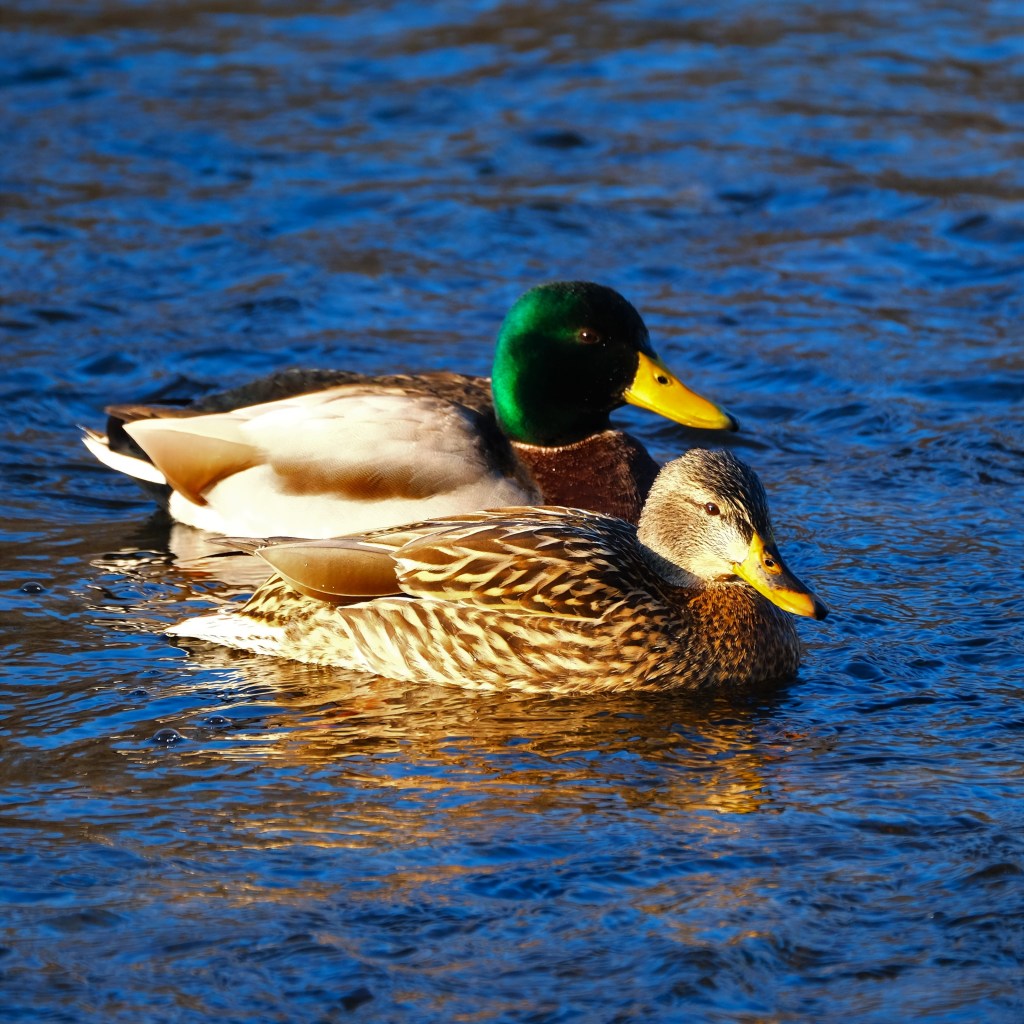
Meanwhile, more wood duck drakes in all their finery are showing up.

And a blue heron was watching it all from the island.

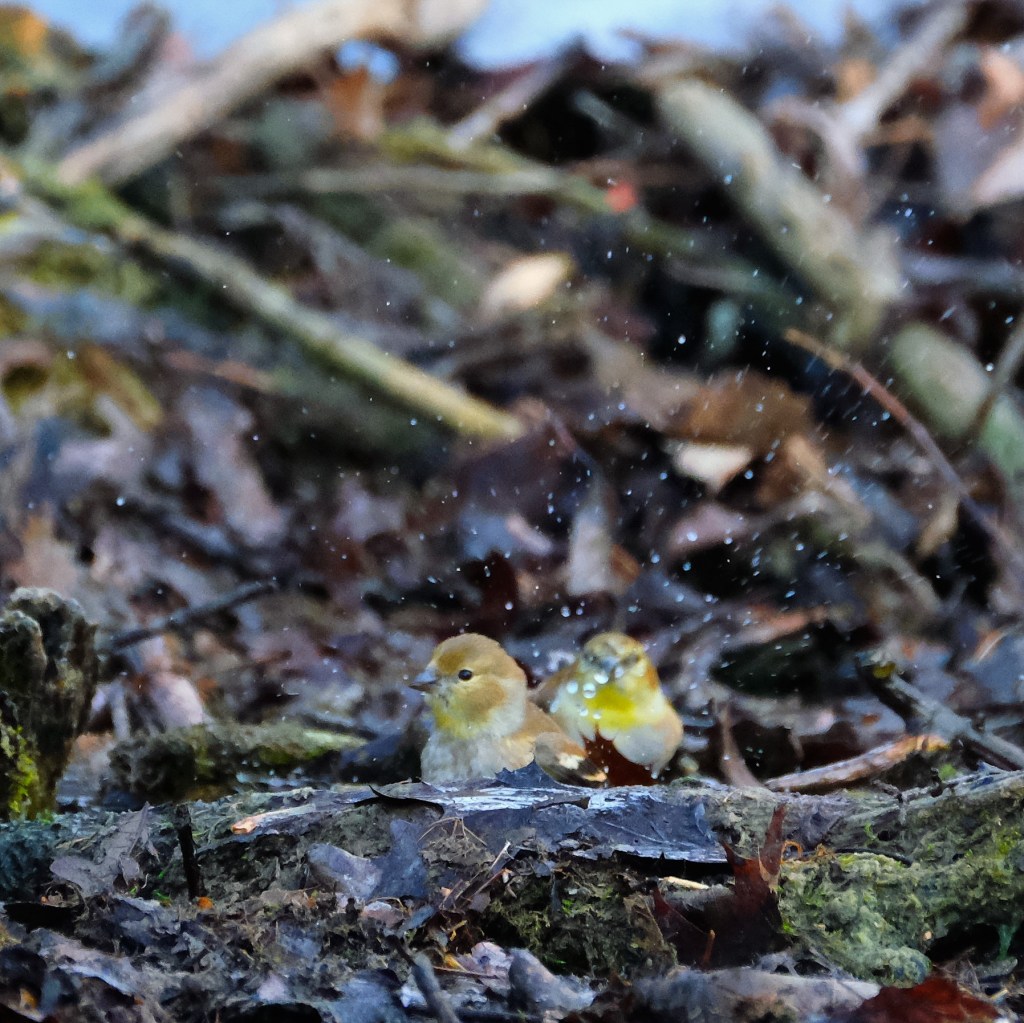
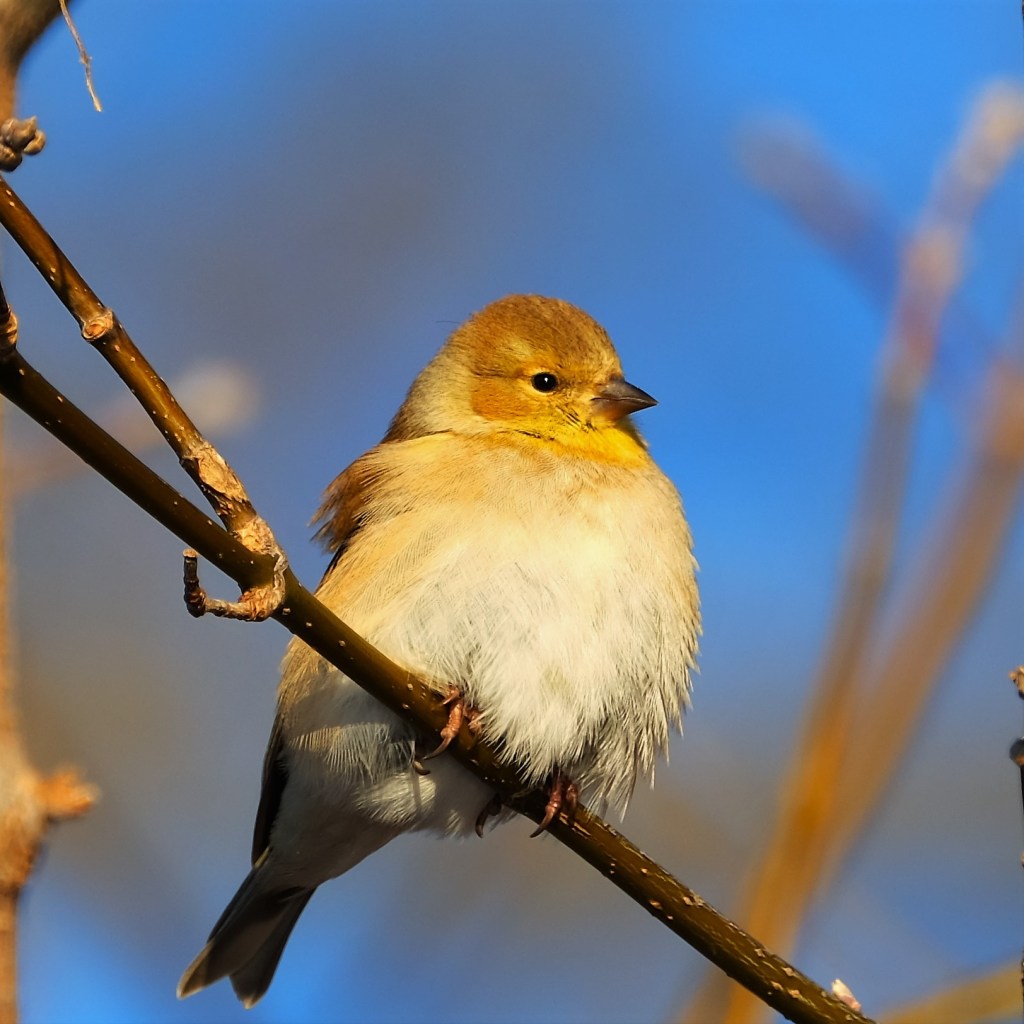
As I headed south, I spotted another little bird in a tree hanging out over the water, and upon closer inspection, it turned out to be a goldfinch, of which we’ve seen plenty lately. There were a few of them, however, and they all seemed to be heading to the ground, so I followed them to this surprising little scene.

I don’t know what they were after exactly, but I counted nine of them down on the mud, and they didn’t startle as I would have expected, so they must have been after something important. I hope nobody lost their keys.

One of them even had on a leg band! You can see it in the lower left of the image below. Wild, huh? That is a definite first for me.

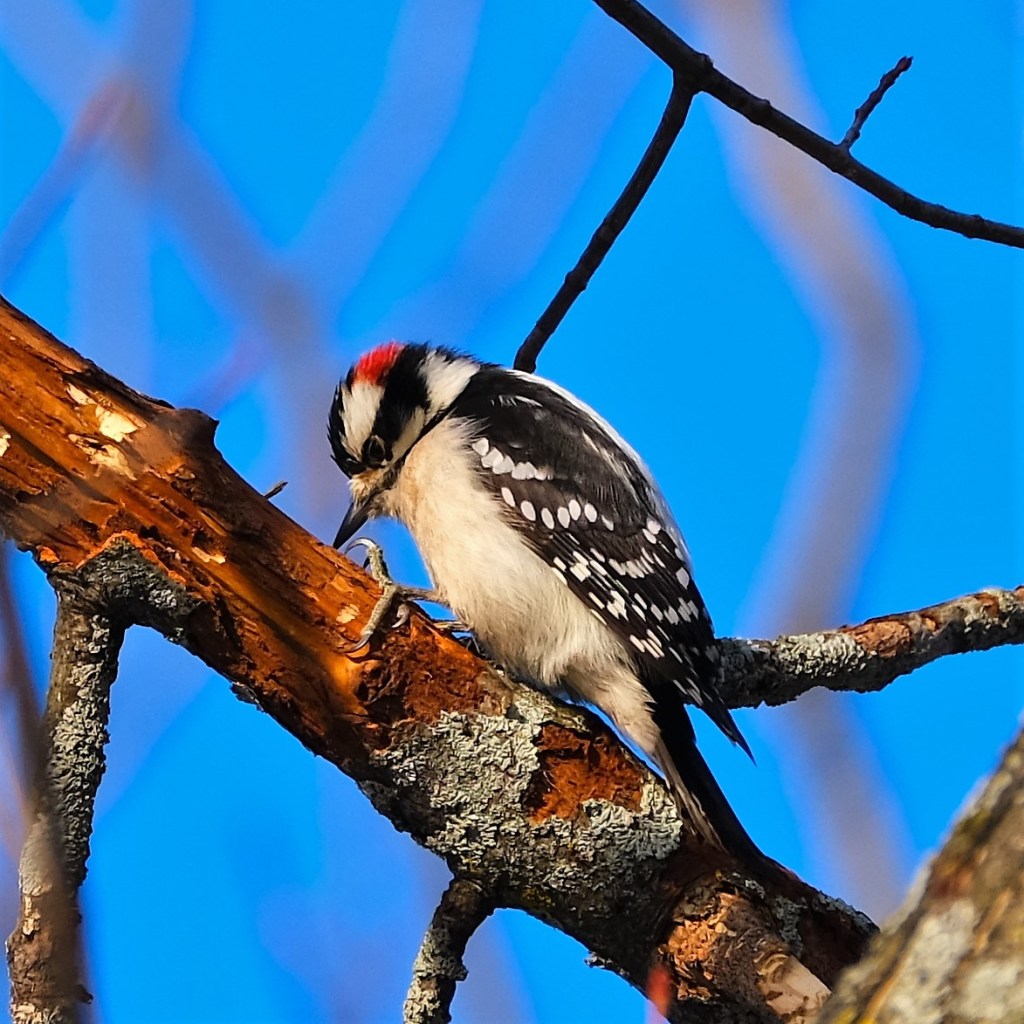
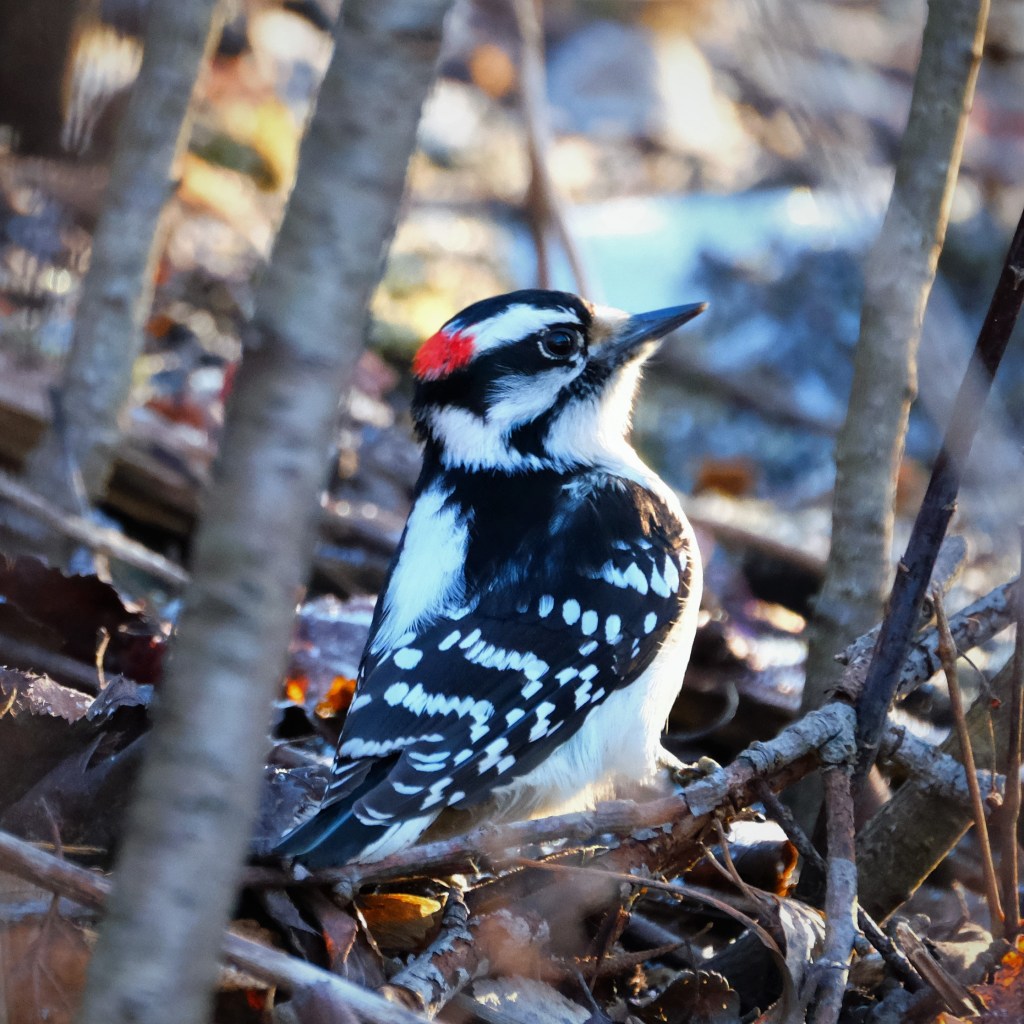
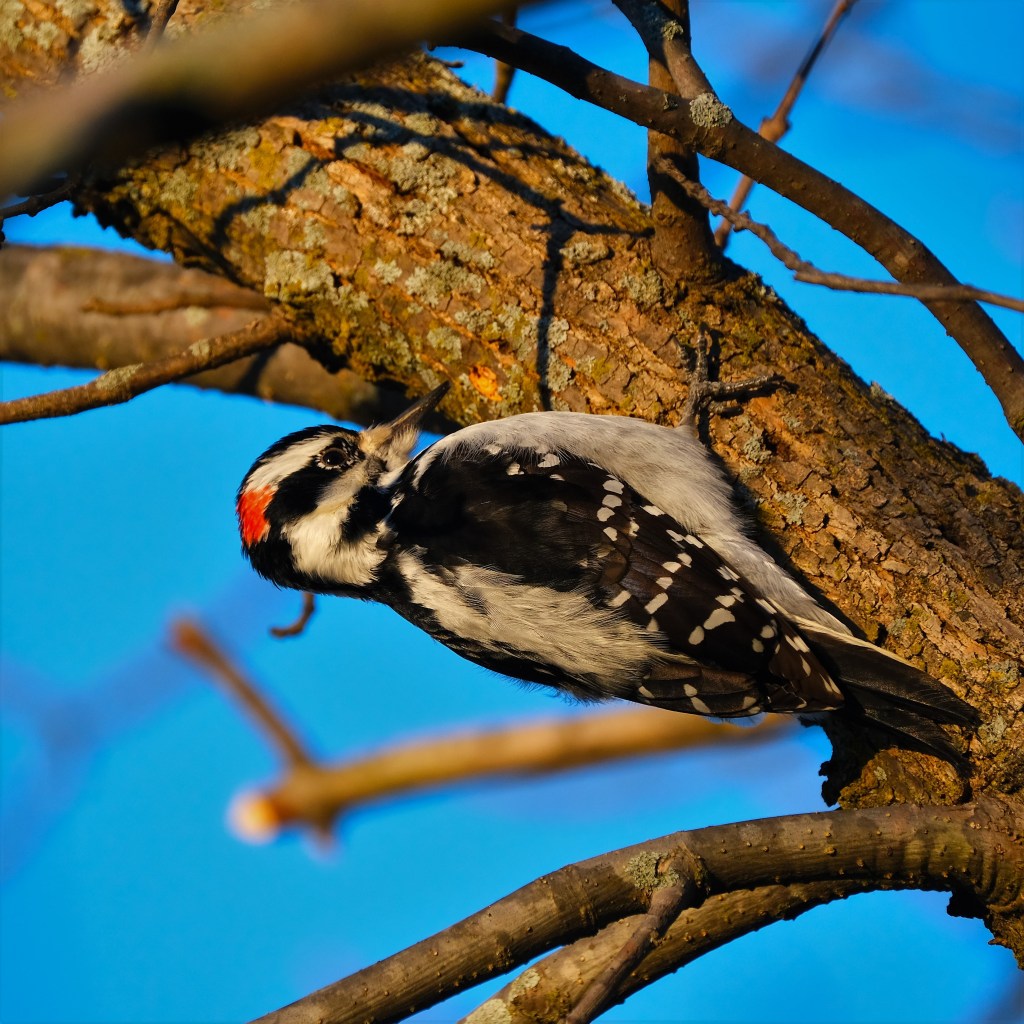
Finally, I could hear plenty of woodpeckers working in the trees above, and here sharp-looking hairy one.

Lastly, the asters continue their pageant of colors, and here’s a bumble bee on a pretty, little, white one.

Still some pretty sights to see…

The beautiful weather continues in Estabrook today, and more asters continue to open throughout the park, so I hope you get a chance to visit.

When I arrived this morning, things were a little quieter than last time at the pond, with 7-8 wood ducks, one green heron, one young night heron, but no blue herons, mallards, or fancy wood duck drakes.

Here’s the green heron showing off what a strong grip it has.

Here’s the young night-heron with its eyes almost wide open for a change.

And here’s the green heron again sporting a completely different look.

I didn’t see anyone else around, so I headed to the river and found out why there were no blue herons on the pond. I counted at least four on the river this morning, and here’s a young one trying its luck at the falls.

Here’s a mature one taking a break on a sandbar at the north end.

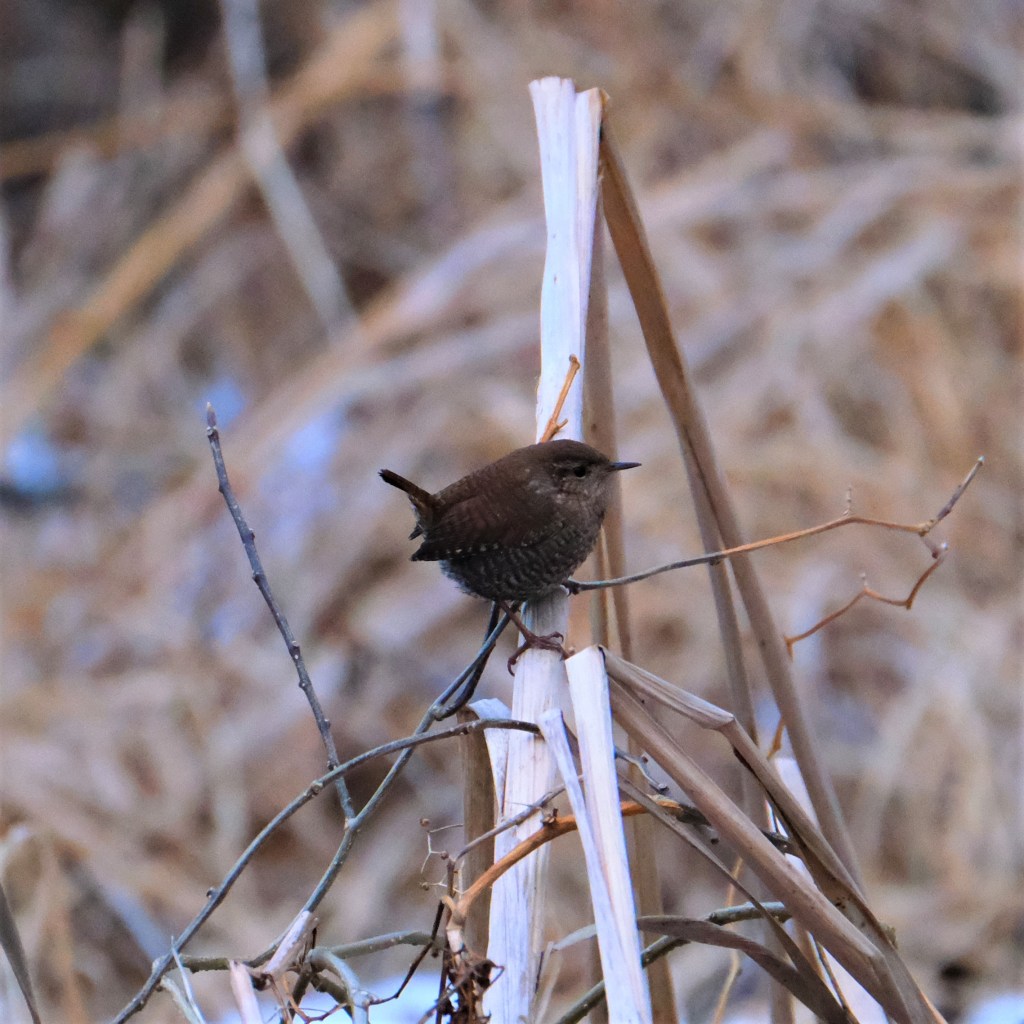
While I was looking for a third one that I had seen from afar, this little wren caught my attention with its distinctive raspy call.

I never did get a better look at that third blue heron, but on my way south, I caught a glimpse of this pretty little warbler, and the white eye ring, light yellow belly, grayish back, and lack of wing bars make me think it’s a female or immature Nashville warbler.

By the time I got back to the falls, our young blue heron had come across to the east side, which gives us a chance to take a closer look at that big bill it has.

And finally use the falls as a nice background.

I spooked the fourth blue heron of the morning, who was also fishing on the east side, as I wandered down the river path and didn’t see it until it took off. Sorry.

Instead, I spotted this male belted kingfisher across the river just parked there for a while with its beak open and looking a little warm in the morning sun.

Oh, before I go, let me put an item on your calendar. The Shorewood Fish & Feather Festival will be in Hubbard Park from 11 to 3 on Saturday, October 2. I’ll be there at the Friends of Estabrook Park booth, and I’d love a chance to say hi in person, so I hope I’ll see you there.

Estabrook still surprises…

The weather was perfect again, and with the nip in the morning air and some leaves beginning to change color, it’s really starting to feel like autumn in Estabrook. After finding no herons or just the sleepy night-heron at the pond recently, I was surprised to find three different herons there this morning.

The young night-heron was sleeping, as usual.

But there was also a blue heron taking a break.

And a green heron was hard at work.

But that wasn’t even the biggest surprise! Along with the four young male wood ducks, five female wood ducks, and one mallard hen, there was a new adult male in full breeding plumage. We haven’t seen one of these in months!

You could tell he was new in town because he held back when everyone else came up on the lawn to see if I was the old guy with a camera who would feed them. Sorry, kids, that’s not me.

Anyway, I eventually moved on to the river and found one of the hooded mergansers taking a break from feasting on crayfish.

I also finally took this bittersweet picture. A Canada goose with a broken wing has been staying in the vicinity of the islands for a couple of weeks now, and its partner is staying with it. This morning is the closest to shore that they’ve come and the closest I’ve seen them together.

Farther south, along the river, a chipmunk waited for me to hurry up and take this picture so it could get back to stuffing its cheeks.

And a young blue heron was fishing at the falls, which is another sight we haven’t seen in a while.

Finally, I stumbled upon two interesting new blossoms in the park. The first is blue mistflower (Conoclinium coelestinum), growing right beside the river.

And the second looks like an amaranth, growing out of a pile of dead leaves in the gutter of the closed parkway, but I can’t find a close match. Can you?

Here’s the leaf, in case that helps.

I wonder what surprises Estabrook has up its sleeves for me next time.

It was a dark and stormy morning…

So I waited a bit before venturing out, and it seems that all the birds just passing through had already gotten their worms and were either laying low, had already moved on, or had not yet arrived. Luckily, there were several regulars about who may have also waited the morning out with me.

At the pond, the young night-heron was back and nodding off near its usual spot.

I counted nine wood ducks today, and here’s a hen wondering if I’m the guy who feeds them bread from the bench on the west lawn, and if so, where’s the darn bread already.

Down at the river, a cormorant was back again and looking as satisfied as ever.

And a blue heron was taking a break from fishing and looking less contented.

Some big fish is thrashing in the water again, but I didn’t get a close enough look to identify them. Anyone know what’s running or spawning now?

Further south, by the falls, the asters continue to thicken and the black-eyed Susans continue to hold on, which can make for a pretty mix.

By the mudflats, which have been pretty quiet lately, a male kingfisher posed for us on the top of this stick on the far shore.

And this young blue heron focused intently on fishing in the grass on the near shore.

Lastly, this young-looking grey catbird appears about ready to enjoy a tasty treat.

The forecast looks a little dryer for tomorrow morning, so let’s hope that holds.

The park is abuzz, despite the clouds…

The day didn’t look very nice, with grey skies that dimmed the light pretty good at times, but the cooler air was nice, and the critters in Estabrook were out anyway and making the most of it. There were no herons that I could find at the pond again, but the wood ducks took it past eleven and all the way to twelve individuals this morning. No pictures caught my eye, however, so off to the river I went.

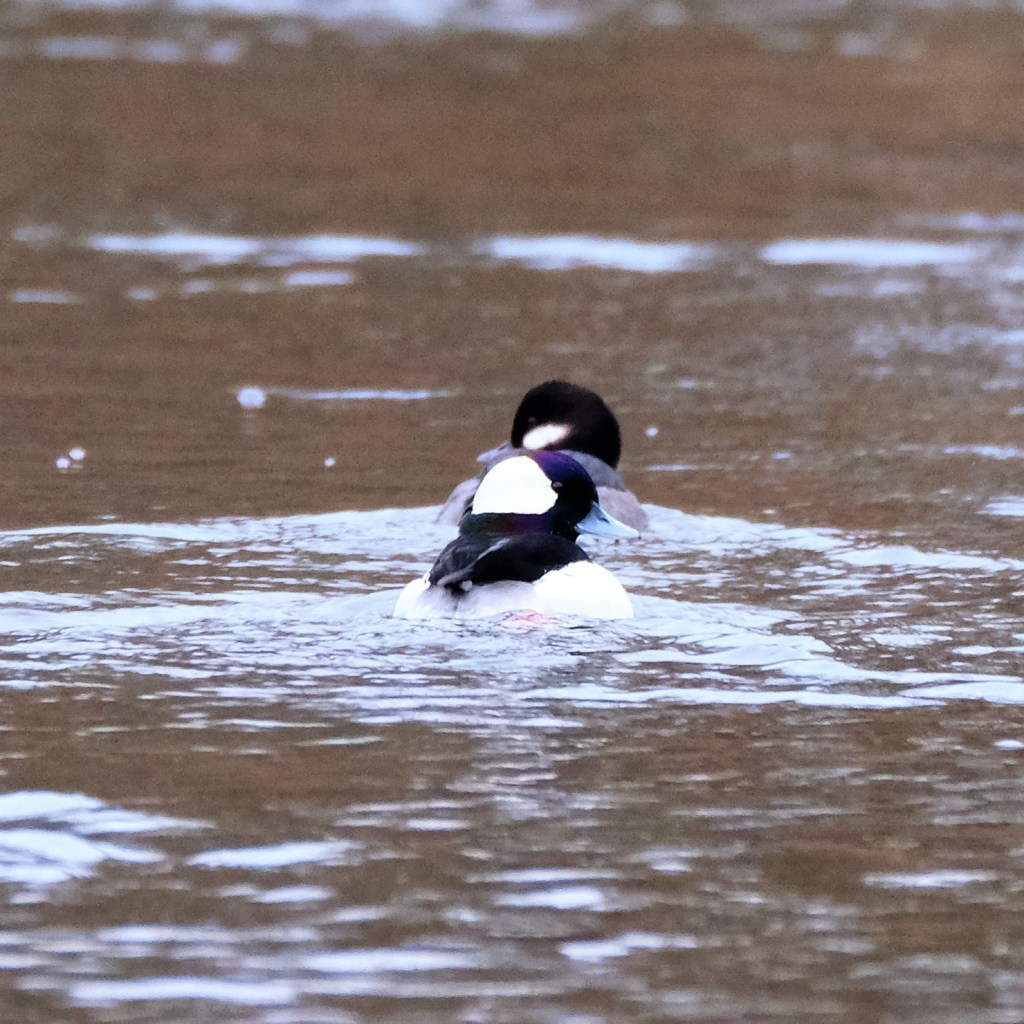
Our three hooded mergansers were still there, off the northern island, and on break when I arrived.

It didn’t take them long to get back to “fishing”, and man, oh man, were they having a morning. In ten minutes, I have pictures of at least five crayfish going down the hatch, but some came out blurry, so count your blessings.

Here’s an example of the thrashing the mergansers give the crayfish to prepare them for a ride down an esophagus.

Here’s a simul-catch.

The mergansers were just hauling them in and at one point I thought to myself, “are they catching wild animals or harvesting fruit?” Anyway, here’s one last picture of the three of them all hunting together.

The blue heron seemed to look upon the spectacle with some annoyance, but that look could just as well be aimed at me. For all the pictures I’ve taken of this one, you’d think we’d be best buddies by now.

Meanwhile, there was nearly as much action back on shore. The goldfinches were busy mining the cone flowers for seeds, and this little cutie took a short breather for this portrait.

Now try the other side.

Here’s yet another one of those visiting thrushes, and I have now received two reliable confirmations on the instagram that they are indeed Swainson’s thrushes. One commenter helpfully added “based on the buffy eye ring and the lack of a red tail.”

Best of all, we’ve got another first-time sighting! There were a few of these sweethearts flitting about with the goldfinches, and the fine folks at the Cornell Lab of Ornithology assure me that they are Philadelphia vireos (Vireo philadelphicus) on their way from Canada to southern Central America.

They also explain thatPhiladelphia and Red-eyed Vireos [whom we just saw last Wednesday] sing very similar songs, with Red-eyed’s usually sounding simpler and faster. As if to make matters more confusing, where these two species overlap on the nesting grounds, the Philadelphia Vireo may sing perfect imitations of Red-eyed song. These imitations, scientists speculate, might help the smaller Philadelphia to avoid aggression by the larger, heavier Red-eyed Vireo.

Tricky little devils, eh? But, this one looks so innocent, doesn’t it?

I eventually had to head back home, and on my way south I spotted another shocker from the boardwalk below the beer garden. It appears to be a common dogwood (Cornus sanguinea), and while it is not common for them to blossom this late in the season, it is not unheard of. Ha!

Yesterday, I had a nice-enough picture of a bumble bee on a cut-leaf cone flower from about halfway to the south end on the river trail, but it didn’t make the final cut. So, as I walked by the same flowers today, perhaps the same bumble bee said, “Let’s try that again. I think I can do better,” and it sure did.

Finally, several dryad’s saddle mushrooms, aka pheasant’s back, are in various stages of development. Here a couple by the boardwalk in their early, pig-nosed stage.

And here are a few huge ones, dinner-plate sized, starting to look slightly past their prime at the south end.

Lastly, this appears for all the world to be the entrance to an active beehive (not hornets, thank goodness!), it the end of a big, downed log, and they were busy as heck today. They don’t have a lot of time left, so I guess they gotta hurry. I read that honey bees can survive the winter by forming a “winter cluster” and consuming the honey they have stored up over the summer to fuel shivering to generate heat. I don’t dare guess if that’s what’s in store for these bees, but I kinda hope they make it one way or another.

Oh yeah! I almost forgot. The flower-of-an-hour (Hibiscus trionum) just happened to be open when I walked by the crosswalk at the southern end of the middle parking lot. How’s that for some luck?

Well, them’s all the pictures fit to publish for today, and Go, Pack, Go!

Feels like summer again…

Summer appears to be staging a comeback today, it felt like a nice August morning in the park, and the birds appeared to be making the best of it while it lasts.

There were no herons at the pond, finally, but there were ten, yes ten, wood ducks on the water, and here’s one sharp-looking young male.

The mystery thrushes, either hermit or Swainson’s, were just as plentiful as yesterday, and here’s one that was willing to pose for a bit.

I searched pretty good for any other surprises at the pond, but couldn’t find any, so headed to the river, as usual, and look who greeted me as I hiked down the bluff at the north end: a handsome, yellow-shafted male northern flicker. I’ve seen and heard more of them recently than I have in a while, and I’ve even heard their distinctive waka waka song, but haven’t seen their dance yet this year.

I also spotted this blue heron on my way down the bluff, who already has its eye on me, but hasn’t taken off yet. That white stuff floating on the water behind it is feathers, mostly mallard feathers, I believe.

Once I got to the river, the trees were alive with birds flitting here and there, and here’s a female or young male goldfinch showing off the pretty pattern on its wing and tail feathers.

Here’s one of the flycatchers, which have been plentiful lately, wondering if I’m really gonna take another flycatcher picture.

Here’s a cute little wren taking a break from foraging in the remains of the meadow.

Finally, for reasons I cannot explain, I’ve been starting to see hummingbirds at the river’s edge quite often lately, and this is my best picture of one yet. They seem to be attracted to dead trees, with fishing gear or not, and there’s finally enough fidelity in this picture that we can try to identify it. My first guess is a female ruby-throated hummingbird (Archilochus colubris) because the colors are right and they’re the most common hummingbird in these parts. My second guess is a female or immature black-chinned hummingbird (Archilochus alexandri), which would be way out of its range, but which has long, curved primary wing feathers like this one does. This calls for further investigation.

Anyway, as I headed south, I spotted a blue heron out on the water again. It could be the same one as earlier but just in a better spot for loafing.

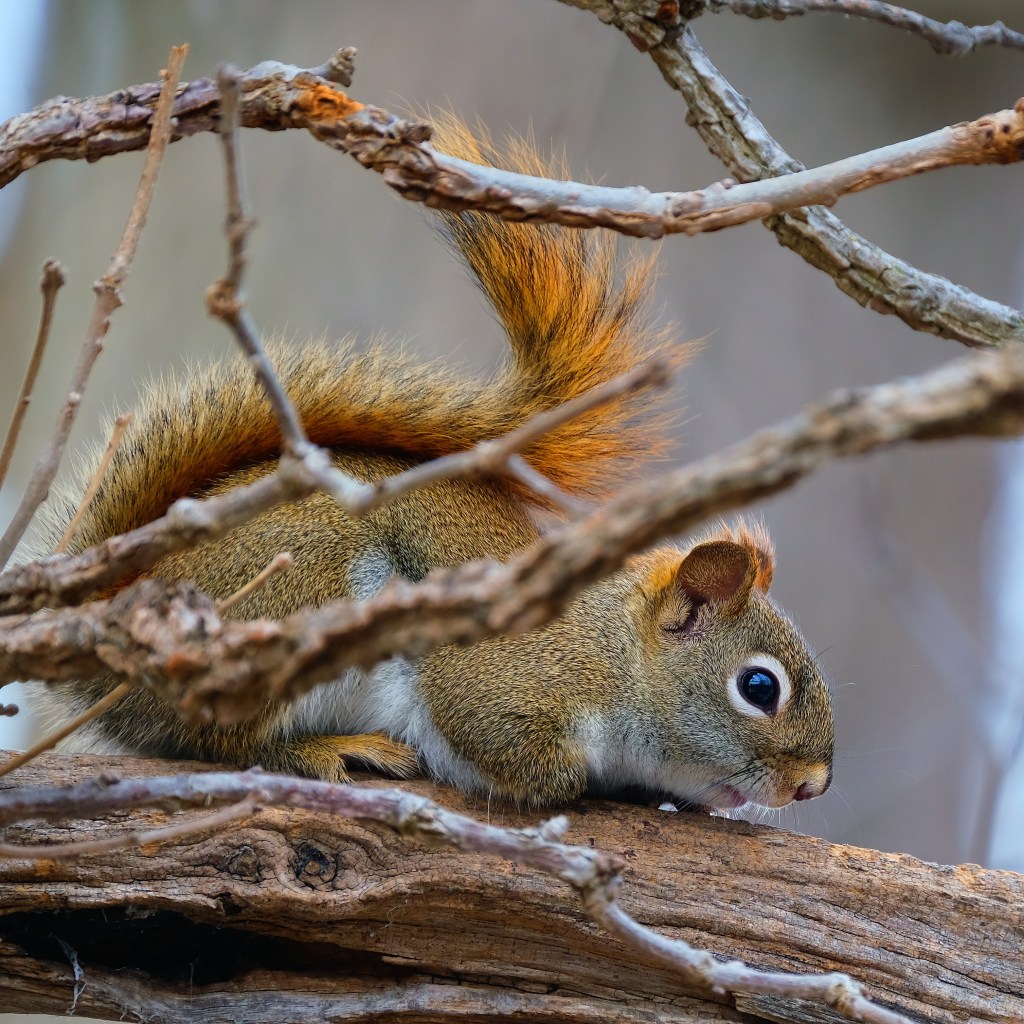
Meanwhile, back on land, the squirrels continue to eat and hide their full of nuts.

I finally managed to capture a semi-decent image of a northern waterthrush looking for some calories to help it on its long journey to Central America.

Just a bit south of the waterthrush, I came across our first new migrant for the day, this sharp-looking black-and-white warbler (Mniotilta varia), who was up to the same task as the waterthrush for the same reasons.

The woods along the riverbank were also thick with our mystery thrushes, and here’s another one.

Finally, I stopped by the weeds beside the soccer field, and there’s a new, tiny aster open, which looks like awl aster (Symphyotrichum pilosum), that was full of bees and hornets.

I sure enjoyed that gluten-free park beer I found yesterday, and I hope you get to enjoy this summer weather while it lasts!

A rewarding morning in Estabrook

Our string of picture-perfect weather continues, and there are still enough critters out and about to make a visit to Estabrook interesting.

I thought at first that I would have to report that there were finally no herons on the pond, but our night-heron had simply moved to a new spot on the island.

There were no mallards this morning, but still seven wood ducks, and here are a pair of hens collaborating.

And a couple of young males working alone.

As I was trying to get the night-heron picture above, I noticed there were several robin-sized birds also in that same tree.

It turns out that they are thrushes, but I didn’t get a good enough picture to distinguish between wood thrushes, hermit thrushes, or even Swainson’s thrushes. Heck, I can’t even really see the difference between the pictures on the Cornell Lab of Ornithology website. I’ve never seen a group of thrushes like that before, though, so these are probably migrants, which would eliminate wood thrushes, but that’s as far as I can go. Maybe I’ll have better luck next time.

I didn’t see any warblers at the pond today, so I headed to the river, where I spotted our regular blue heron on break.

The three mergansers, probably female or young hooded mergansers, from Wednesday are still there.

And a mallard drake is coming out of eclipse and getting some of its fancy breeding plumage back.

I didn’t see the shovelers again, nor any other exciting new migrants, so I made my way south, and as I stepped onto the boardwalk below the beer garden, I spotted a plastic bag in the river below. I didn’t feel like going to get it because, if you’ve been there you know, I would have to walk all the way to the south end of the boardwalk, climb down to the river, and make my way all the way back to the north end to get that bag. Oh well, that’s how I spotted the beaver that one time last March, so I sucked it up, went after the bag, and this was my reward.

You guessed it! Our first clubtail dragonfly! Yay! There are at least 33 species of clubtail dragonflies in Wisconsin, however, so good luck identifying this one for sure, but I like the looks of the elusive arrow clubtail (Stylurus notatus spiniceps) with those green eyes, don’t you? I wish there was a little more light at the time so I could have closed the aperture a bit and had a little more depth of field, but it takes a while for the sun to reach down to the river there. Oh well.

Finally, as I was wandering around below the boardwalk, I also spotted this tenacious little black-eye Susan growing straight out of the barren rock.

Lastly, but by no means leastly, look what I found as I made one last sweep of the southern parking lot on my way out of the park. Some kind soul already enjoyed three of them and must have wanted me to have the rest! Am I right?

Now that’s some sweet reward, eh?

Some surprises still…

The weather in Estabrook this morning has snapped right back to beautiful, after all the excitement of yesterday’s downpour, and I hope you get to enjoy it while it lasts.

Life on the pond continues to wind down slowly, despite a nice surprise now and then, and our young night-heron was dozing off in its usual spot…

While one green heron was looking intently for breakfast…

But I saw only three wood ducks and no mallards there today.

In contrast, things remain a bit more lively on the river, and here are a pair of mallards busily foraging in the falls.

Plenty of other regulars were there again, including geese, more mallards, wood ducks, and this blue heron.

A cormorant was back and drying out after a quick dip, and it only has to make it to southern Illinois for the winter, so it has time to dawdle.

The new arrivals I spotted were a trio of mergansers, and here’s one of them. It’s hard to say for sure, but the light cheeks and neck has me leaning towards female or non-breeding male hooded merganser. What do you think?

In any case, two of them soon caught crayfish, and here are a couple shots of the ensuing struggles that came out in focus.

Meanwhile, in the trees right behind me, this pretty little female or immature magnolia warbler (Setophaga magnolia) was hunting up its own breakfast before continuing its long journey to southern Central America.

Here’s a picture, perfectly focused on the branch in the near foreground, that nevertheless shows the distinctive black stripes down its yellow breast and sides.

While I was focusing on sticks, this flycatcher patiently waited in the warm morning sun for me to pay it some attention. These cute pictures are not perfect for identification, but I’m gonna go with eastern wood-pewee anyway.

Lastly, on my swing back by the pond to see if anybody new had shown up, I managed to catch this quick-moving bug hunter deep in the bushes at the north end, and that distinctive black-and-white eye striping makes it a red-eyed vireo, I believe, even though we can’t make out the red eyes. It’s got even farther to go than the magnolia warbler, all the way to the Amazon basin, and I expect it will be on its way soon.

The prize for surprising me this morning, however, goes to this intrepid squirrel, yes, a squirrel, swimming briskly across the river to the southern island. You can even make out its cute little nose and bushy tail. I was scanning ahead with my binoculars, hoping to find a new migrant in the shallow waters between the islands, when I spotted it, and I couldn’t even tell what it was at the time. Only when I could look at the image on my computer did I finally realize what it was. Who knew, right?

And those are all the surprises I’ve got for you today. Till next time.

Happy Labor Day!

The air felt even cooler, dryer, and calmer than yesterday with the same blue sky and warm sun, so just a perfect morning in Estabrook. The critters, however, must have heard about the holiday and most seemed to be taking the day off, but some still needed to catch their breakfast anyway, holiday or no. Here are their pictures.

There was a nice bank of fog rising off the pond before the sun came over the trees, so a shot of our young night-heron dozing in its usual spot across the water wasn’t worth the effort. Luckily, there were two green herons, and one was just off the near shore intently staring at the water.

The trees over the north end of the pond, which were humming with activity of all sorts yesterday, were quiet this morning, so I made my way to the river, which had its own layer of fog. Undaunted, I headed north and was rewarded by this sight at the boardwalk below the beer garden.

Yes indeedy, that’s my best hummingbird picture to date and my first of the season despite two previous glimpses recently. I am less thrilled to report, however, that this poor thing was attracted by all the lures and bobbers left hanging from a tree between the boardwalk and the water by careless fishermen. The bird left unscathed, thank goodness, and we can hope that it found the calories elsewhere to replace those spent on all that wasted effort. Until now, I thought those “ornaments” were merely a minor eyesore, but now I see that I must redouble my efforts to rid the park of them. Here are shots of the bird checking out a lure (first, on the left) and then a bobber (second, on the right)..

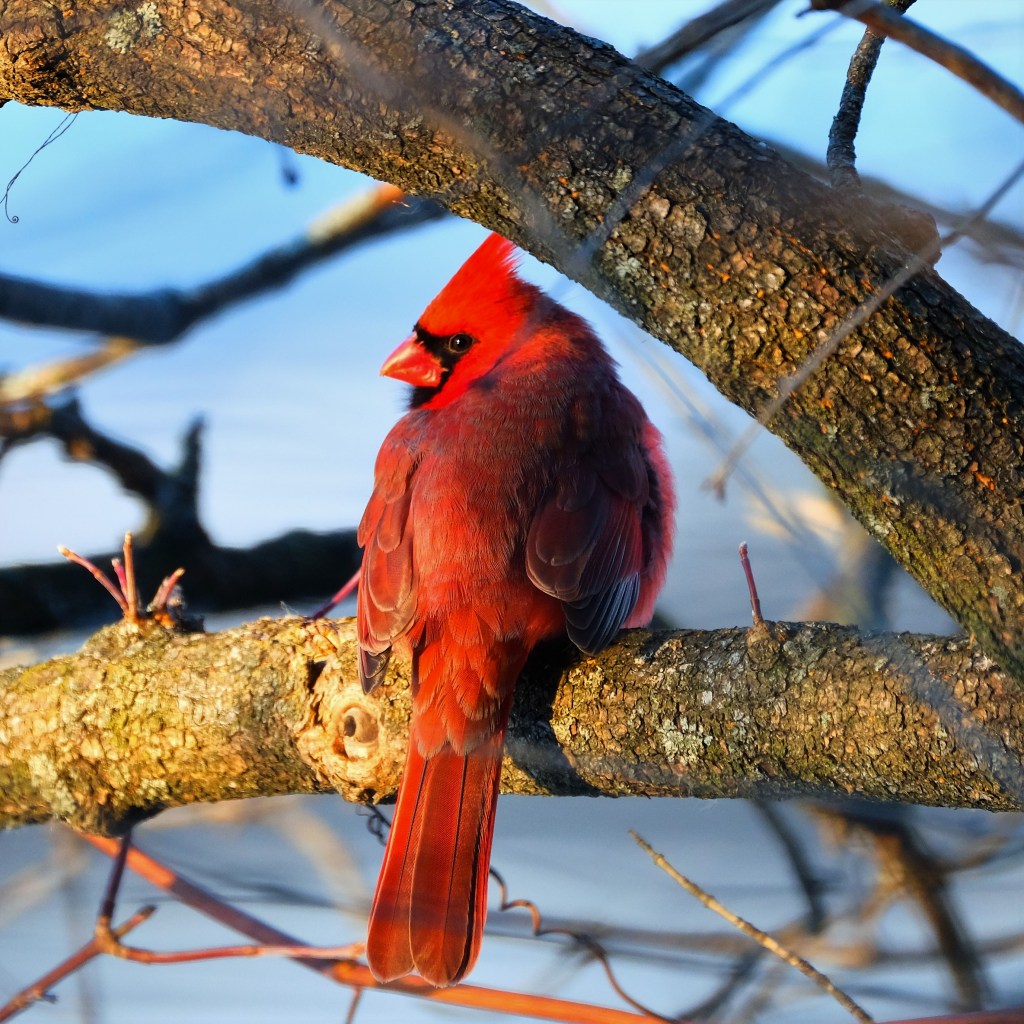
Anyway, moving along, once the hummingbird gave up, I was treated to this cardinal busily working on a little clump of staghorn sumac seeds, right on the railing of the boardwalk, while keeping at least one eye trained on me.

Also at the boardwalk is yet another pretty new aster coming into bloom, and this one appears to be smooth blue aster (Symphyotrichum laeve).

At the north end, the shovelers have moved on, the merganser was still there but even less photogenic than yesterday, and one blue heron was fishing.

The trees beside the river were also less hopping than yesterday, but I did spot this one, shy, little Nashville warbler.

In the goldenrod below the trees, a monarch was more interested in soaking up some sun than nectar.

On my walk home, the chipmunks continue their frenzied nut gathering, and when this one spotted me, it froze just long enough for me to take this picture.

Finally, this little wood thrush did just about the same thing.

And that’s a wrap.

A whole lot going on in Estabrook!

What a perfect morning in Estabrook! The air was cool, dry, and calm. The sky was blue, and the sun came out. There was even another running race on the path and the Farmers Market on the parkway. Happily for us, the critters weren’t too put out by the crowds yet, seemed to enjoy the nice weather, too, and so were out in droves.

I stopped by the pond first, and I finally captured an image to show you how the male wood duck ducklings are starting to show some of their colors.

By comparison, the females already have that characteristic white teardrop around their eyes.

The night-heron was still with us and asleep on its favorite branch already.

Long-time reader, Lisa, stopped by and helpfully pointed out the green heron “in the greenery” for me.

This came in super handy when I heard a splash behind me as I was trying to capture some shy little songbird in the trees over the pond, because I knew right what it was and spun around in time to capture this fun sequence.

So, that’s how you swallow a frog whole. Thanks, Lisa! Remember to extend your neck.

Anyway, I did manage to capture that little bird in the trees, and it was a female redstart again.

And this time she showed off her distinctive tail feathers for us.

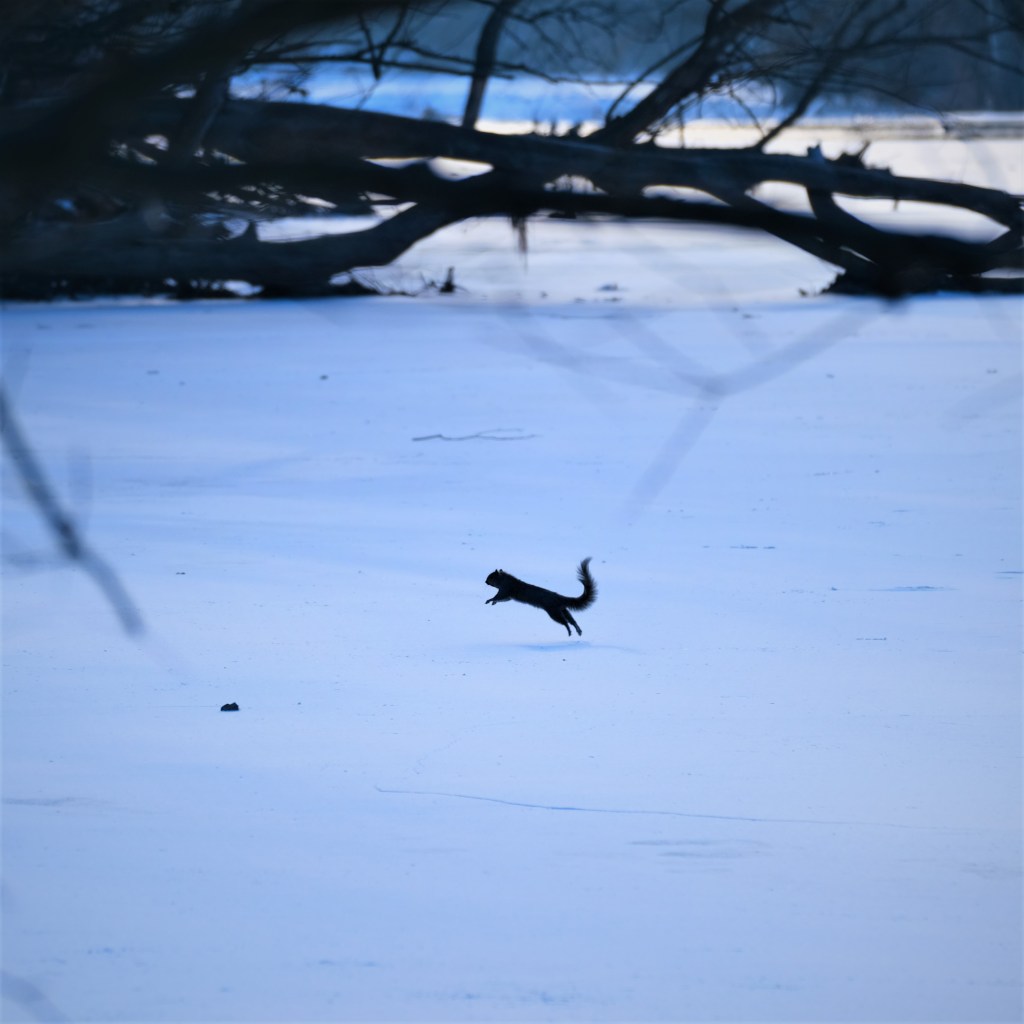
As we have seen, the squirrels have been quite active lately, and this morning they demonstrated what some of that activity is all about.
That was enough pond action for me, so I headed to the river where I found yet another cormorant.

Which went for a little swim.
And then hung itself out to dry in the beautiful morning sun.

A pair of kingfishers were making a racket over the river, and here’s one taking a quick break.

Further north, between the islands, I spotted a pair of migrants taking a break on their journey south.

Yup, shovelers, and yes, that’s their real name. We haven’t seen them since April, when we learned that their genus name is Spatula. Here’s one of them stretching its wings.

There was another visitor on the river, and this one looks like a female hooded merganser, whom we haven’t seen since July.

There was also a blue heron strolling among the mallards.

The biggest surprise on the water, however, at least size-wise, was this pair of deer making their way to the west side. We haven’t seen river deer since June!

Back on shore, I spotted a pair of flycatchers, and I think the first one is a willow flycatcher (Empidonax traillii) with a distinct little ring around its eye.

The second one looks more like an eastern wood-pewee (Contopus virens) with much less of an eye ring.

I finally started heading back home, but the fun wasn’t done yet. Here’s our first waterthrush of the fall migration on its way back to Central America and hard at work in the very dim light right at the water’s edge, as usual.

And here’s a nonbreeding/immature spotted sandpiper beside the waterfall.

Well, that’s 15 species for the morning, if I’m right about the two flycatchers and we ignore the frog and the mallards. I would have never guessed we’d see so much this late in the year, and after all that, I think I’m gonna need a nap!