The weather this morning was a real mixed bag. Not too cold, but a wind chill near zero. Blue skies and sun, but dropping temps and a gale warning. I did not expect to see much.
This little cutie, however, had other plans.
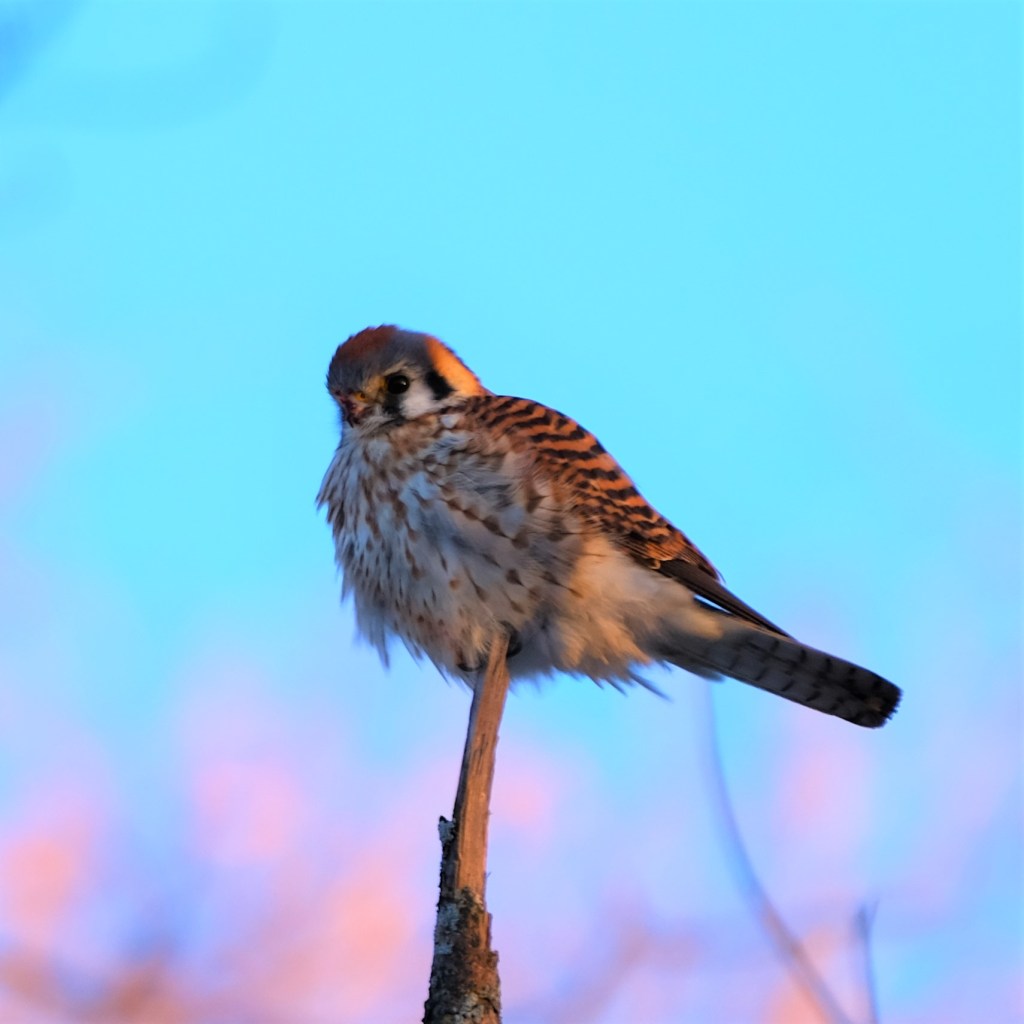
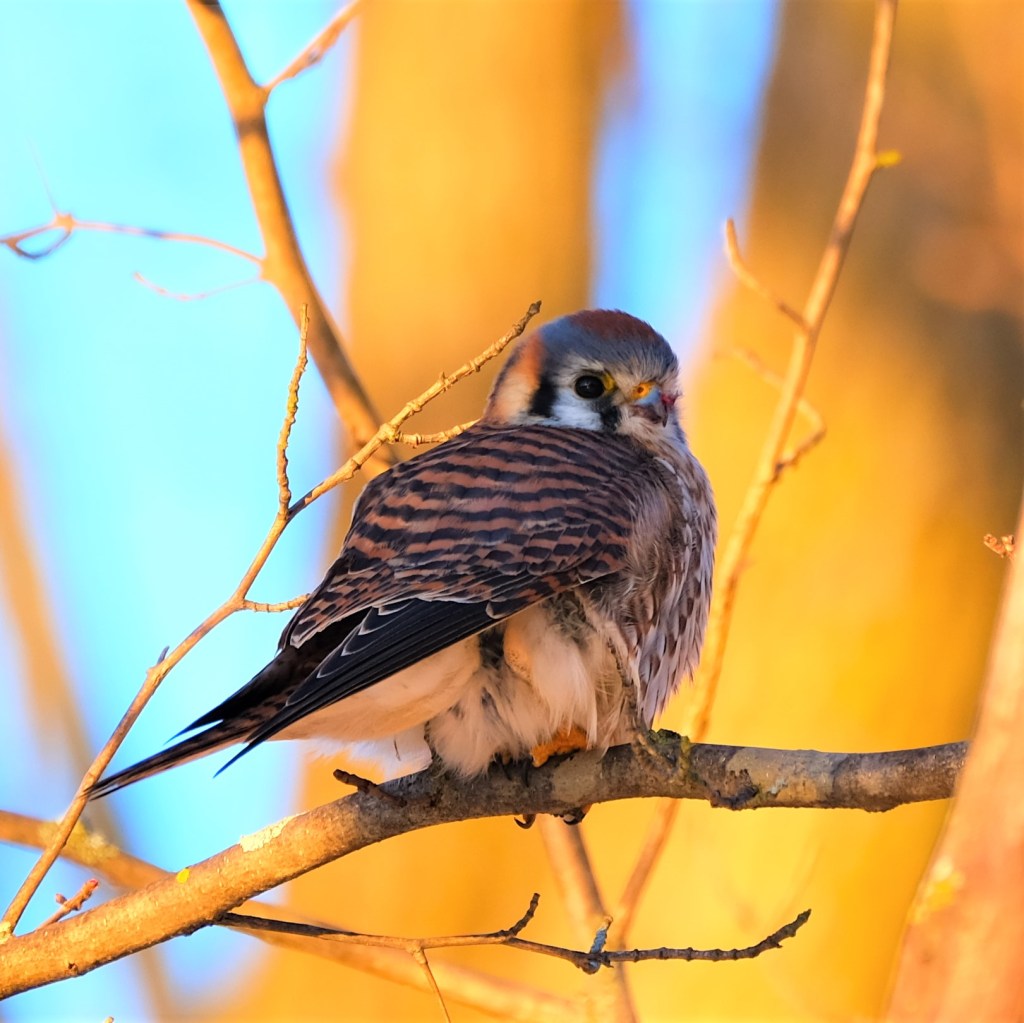
Yes, indeedy, our American kestrel was back and farther south into the park than last time. She and I have learned to get along better this time, and when I was willing to crawl on my belly in the snow, she was willing to let me take this much nicer portrait.
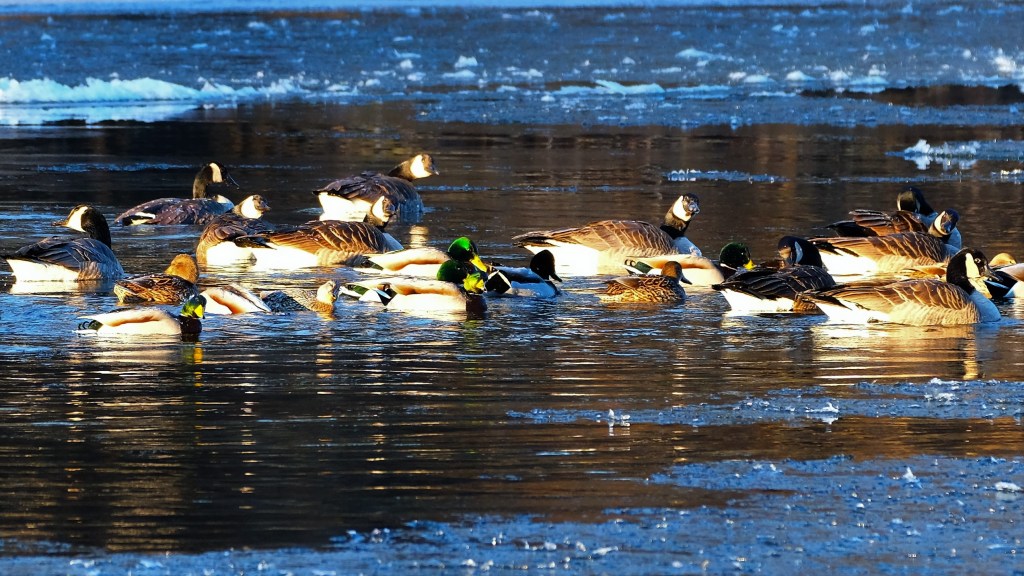
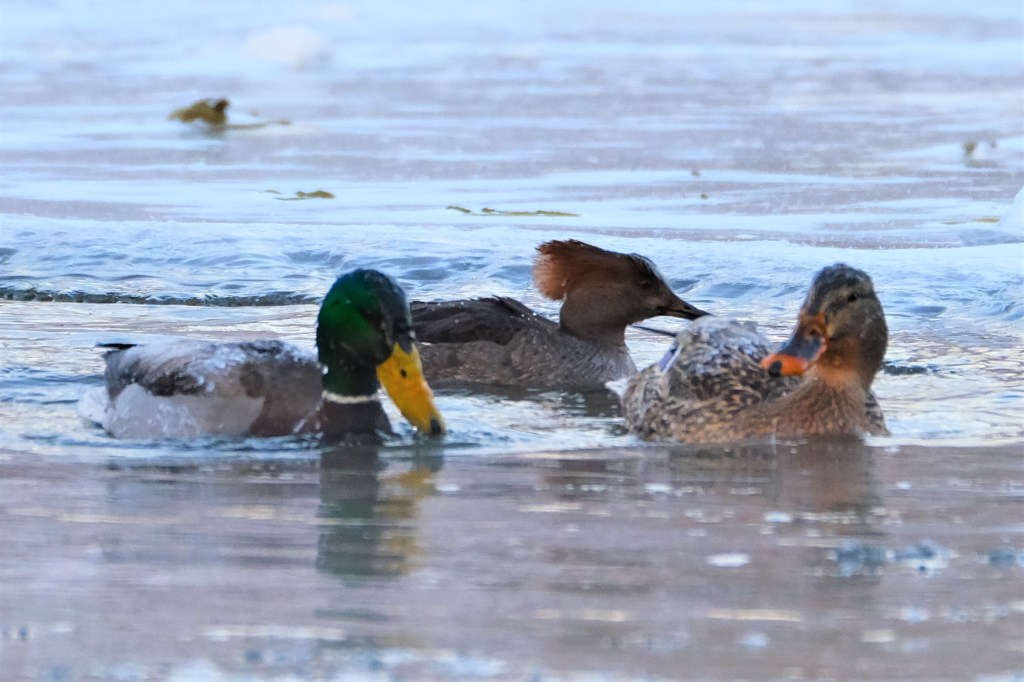
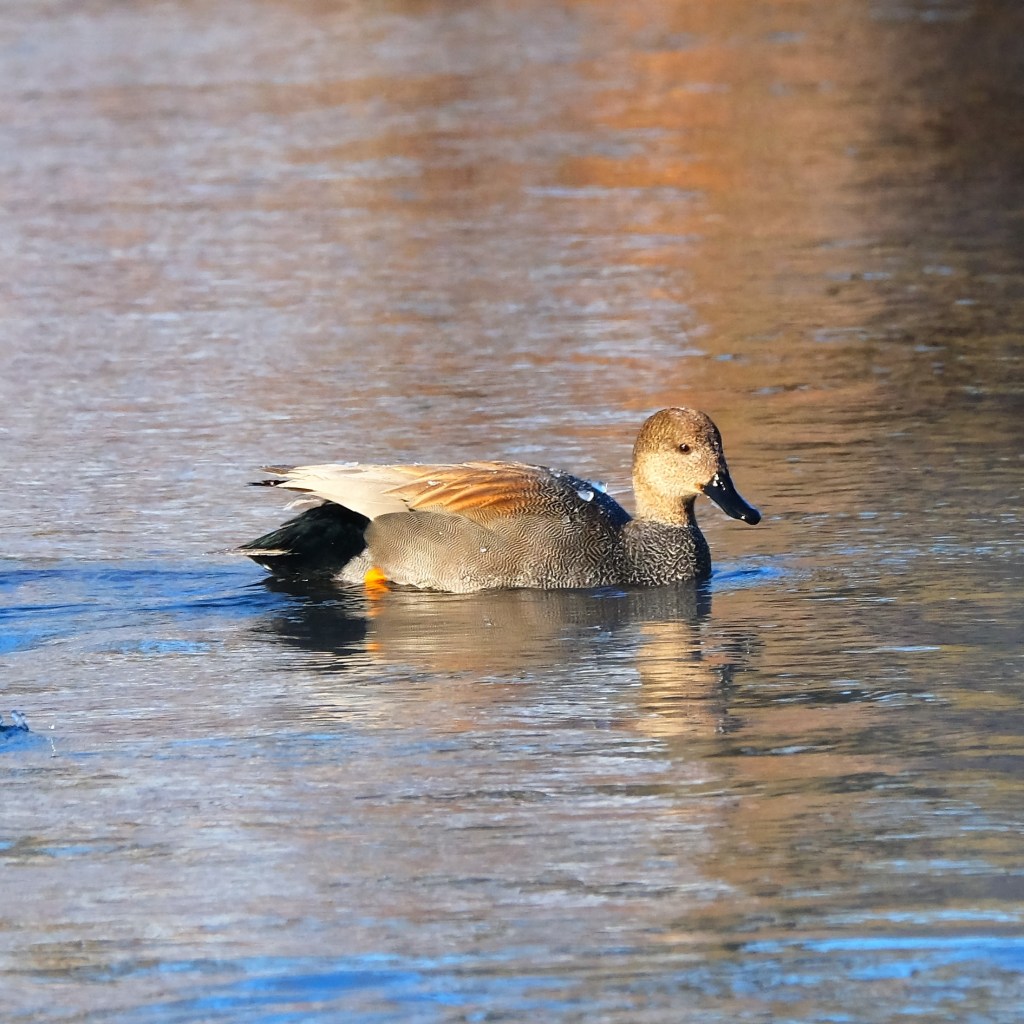
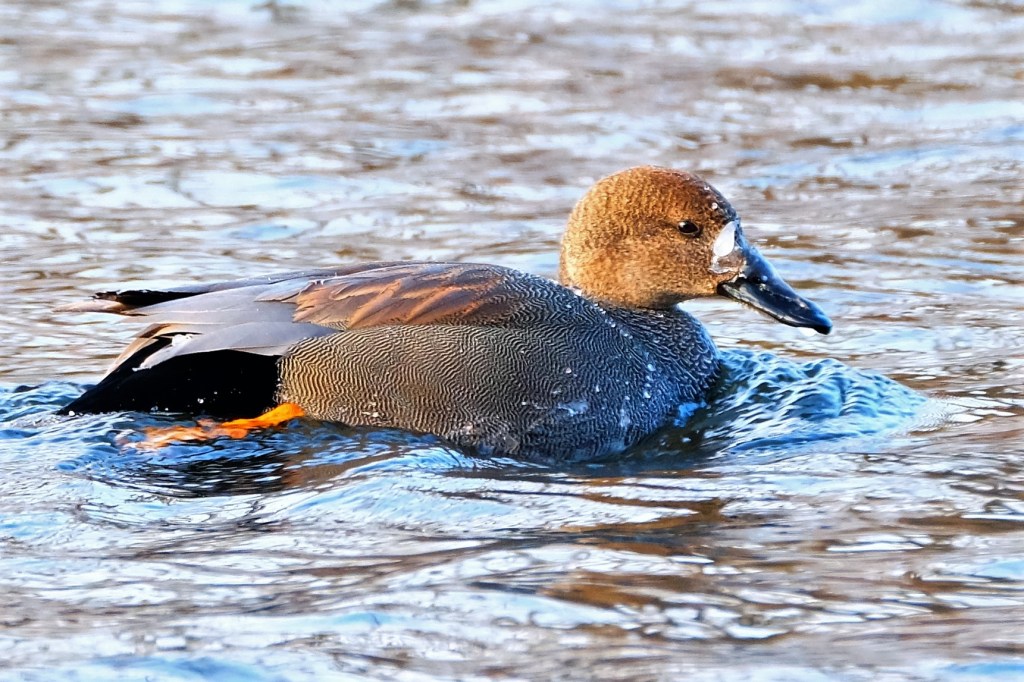
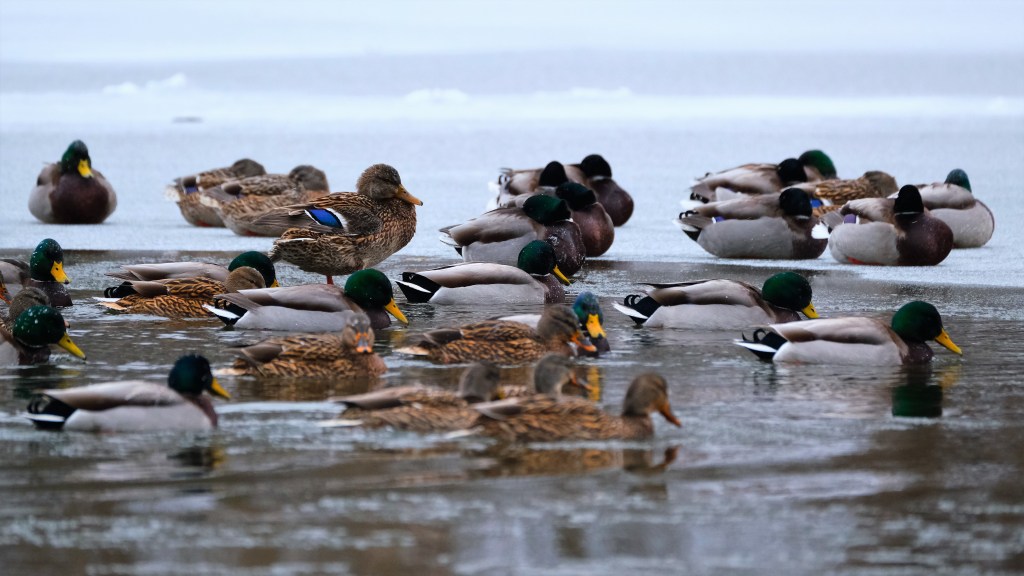
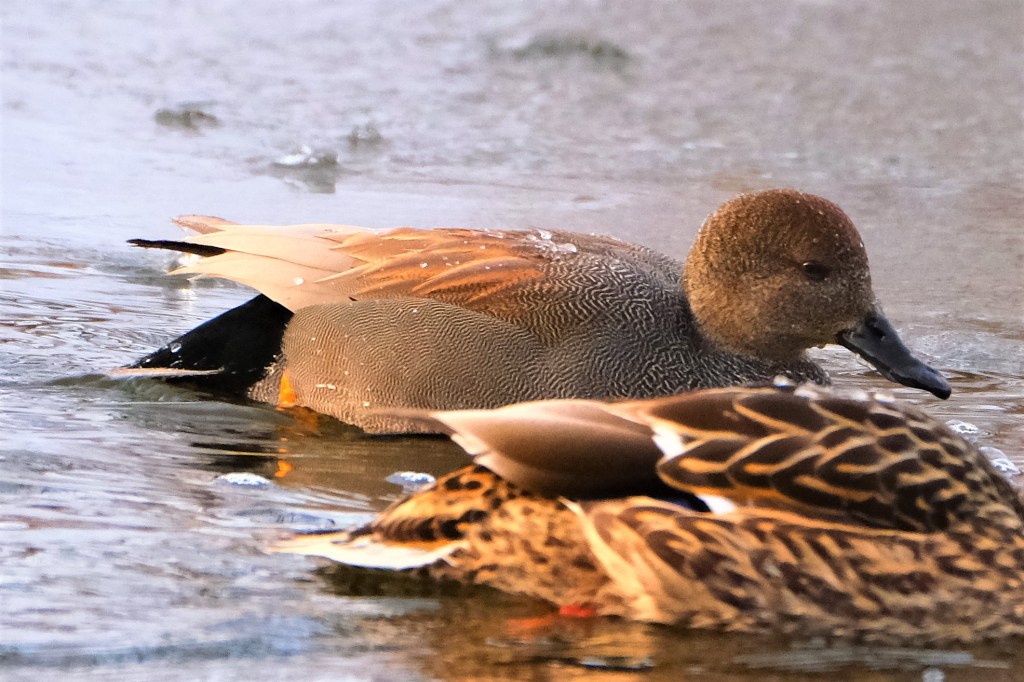
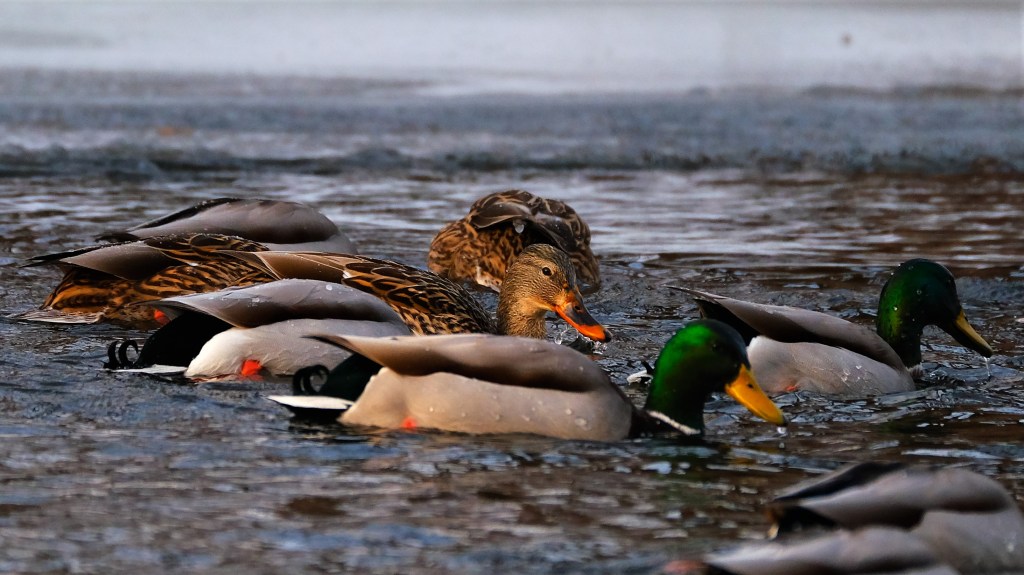
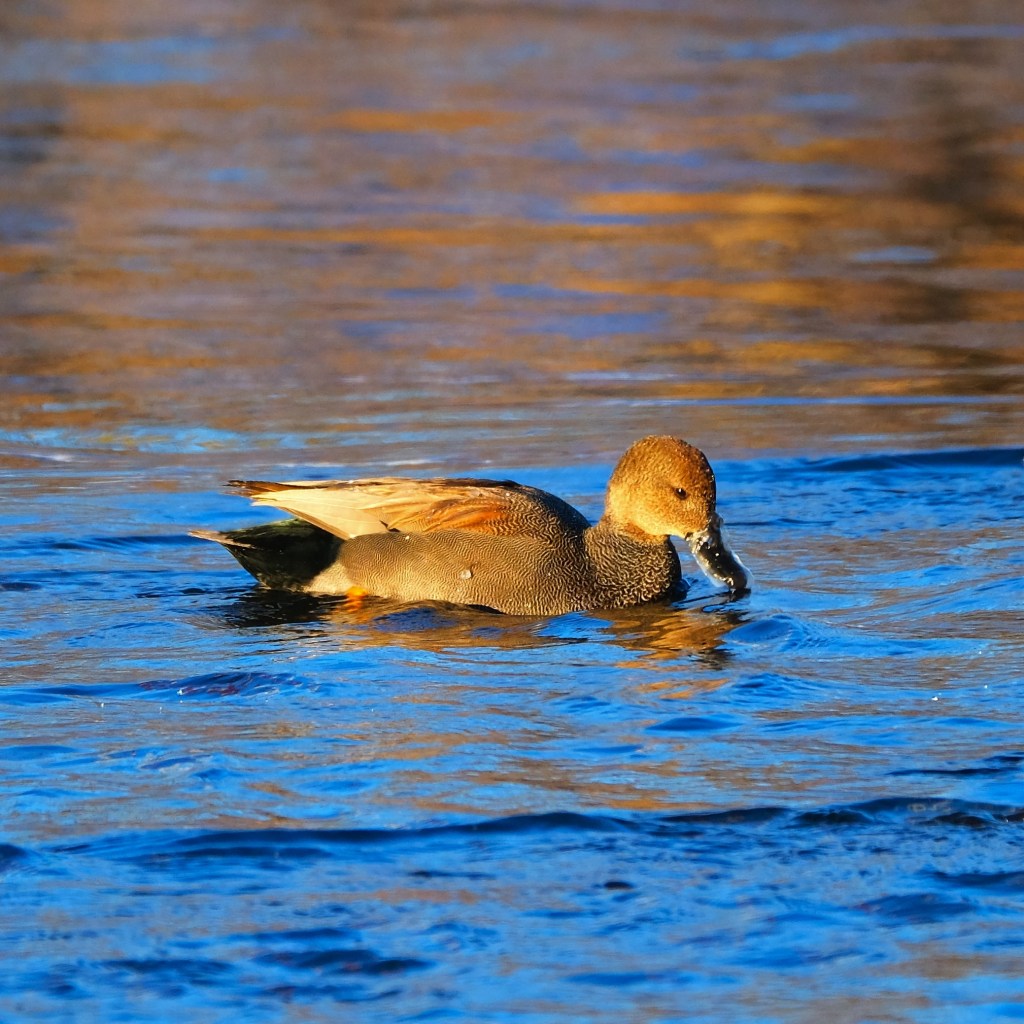
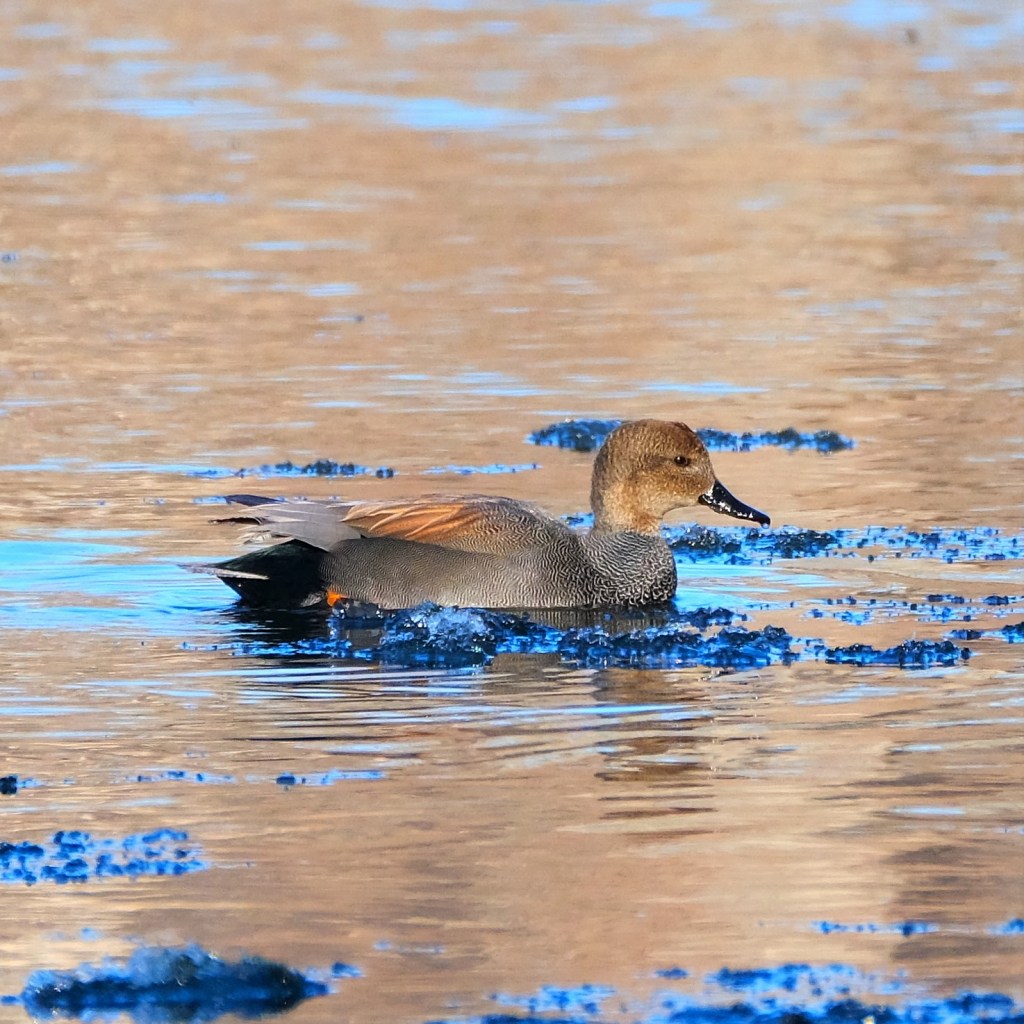
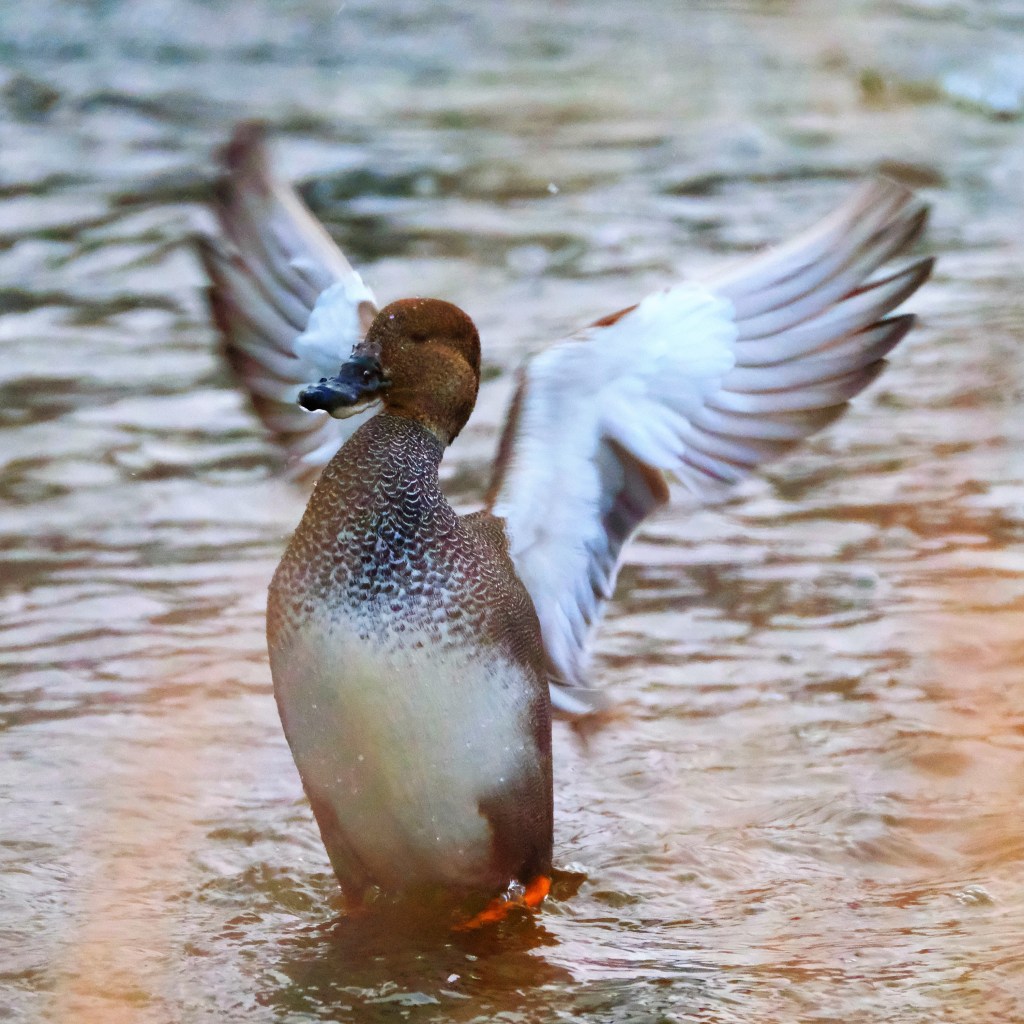
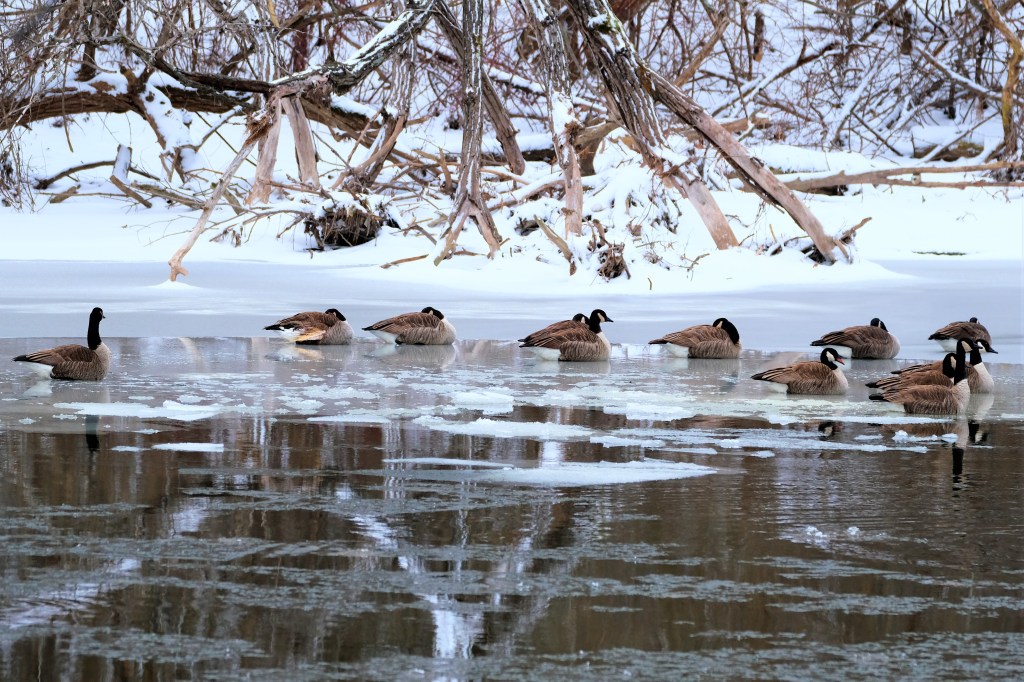
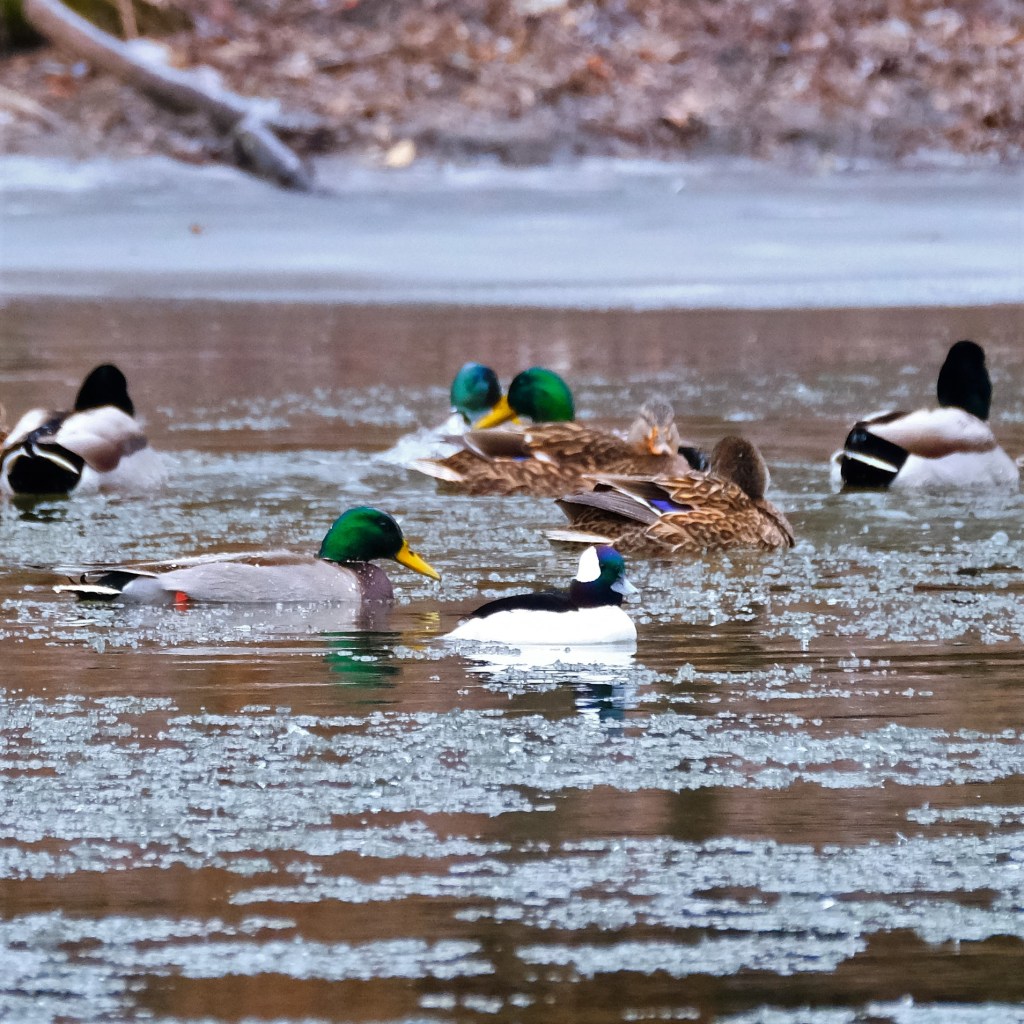
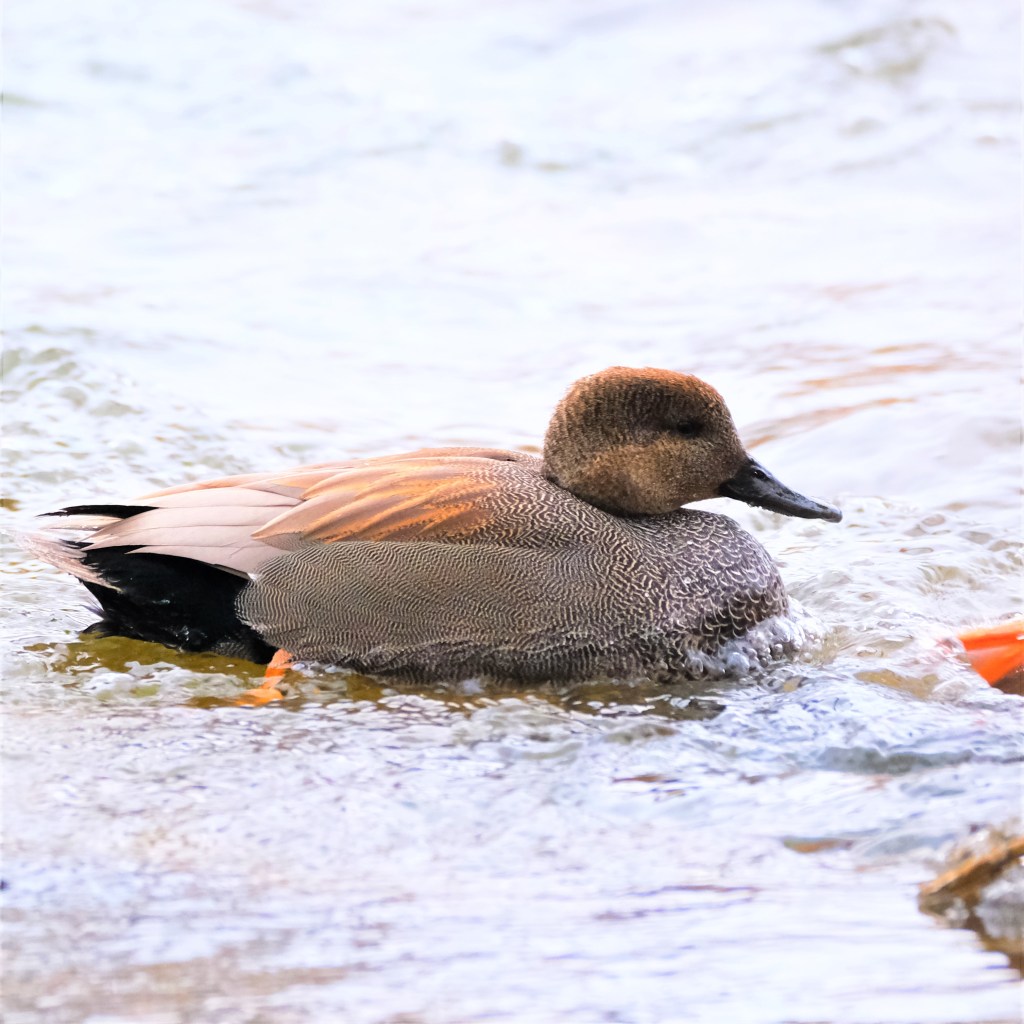
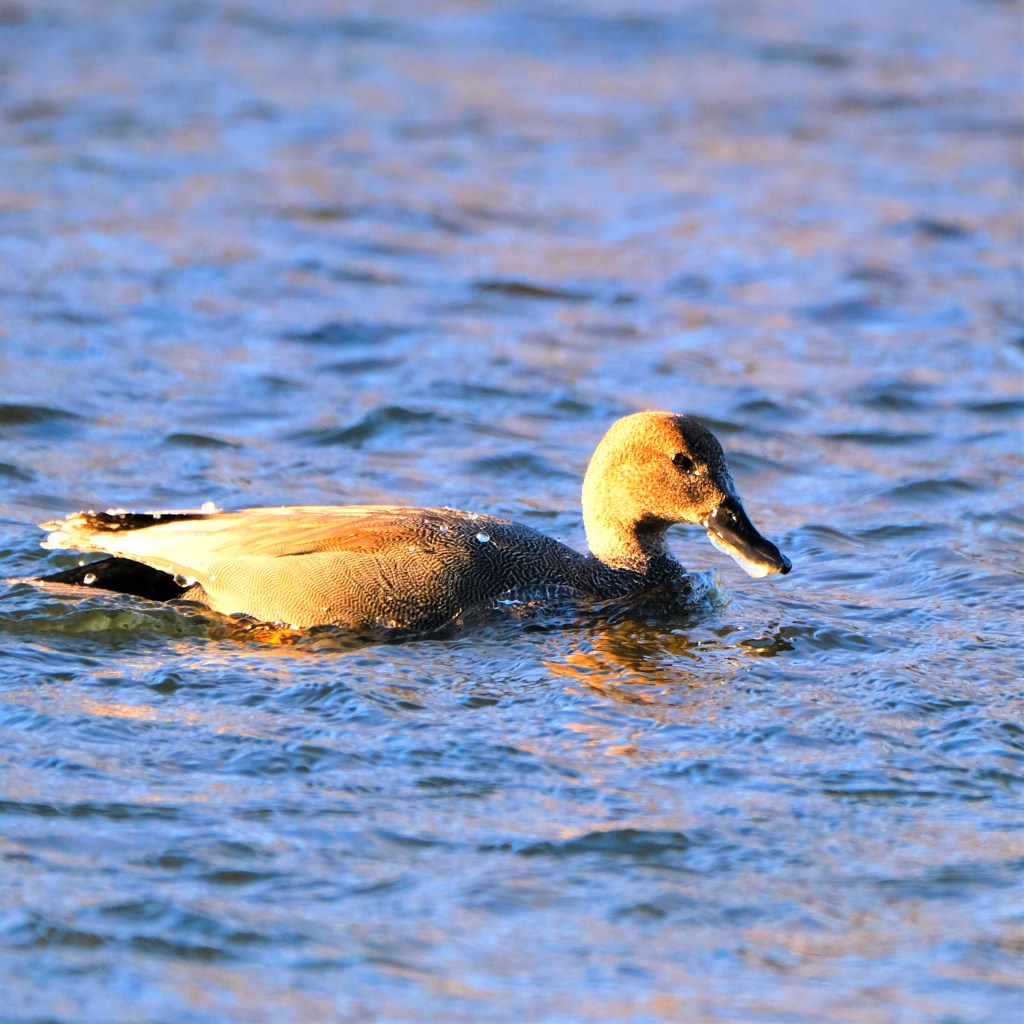
By then the wind was already picking up, and I hardly saw another bird all the way to the north end and back. When I returned to the top of the mild rapids, where the open water resumes, a large group of mallards had accumulated, and I found our gadwall drake among them again. His front defroster still looks problematic, but it clearly works well enough for him to stick around and continue to look healthy.
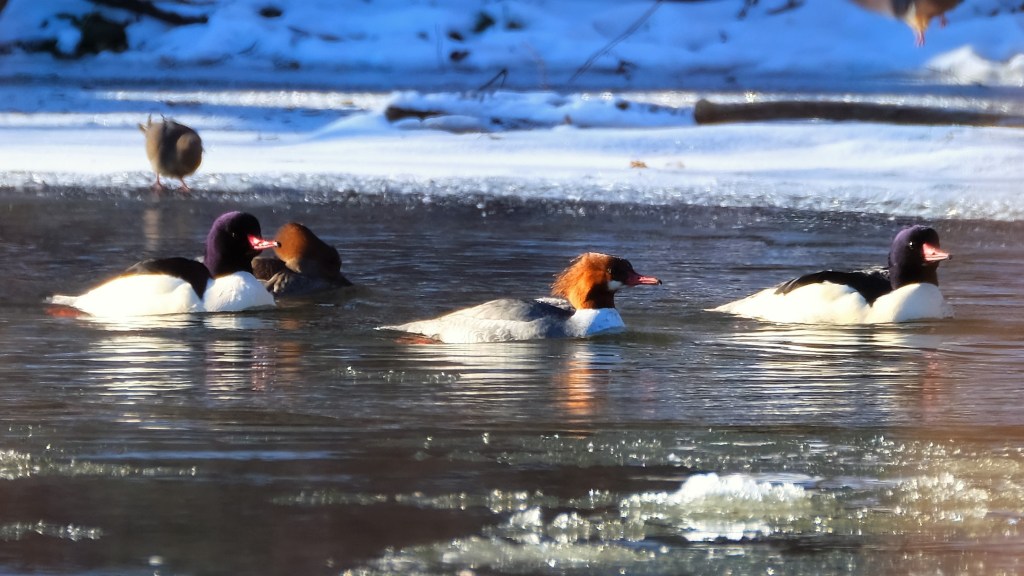
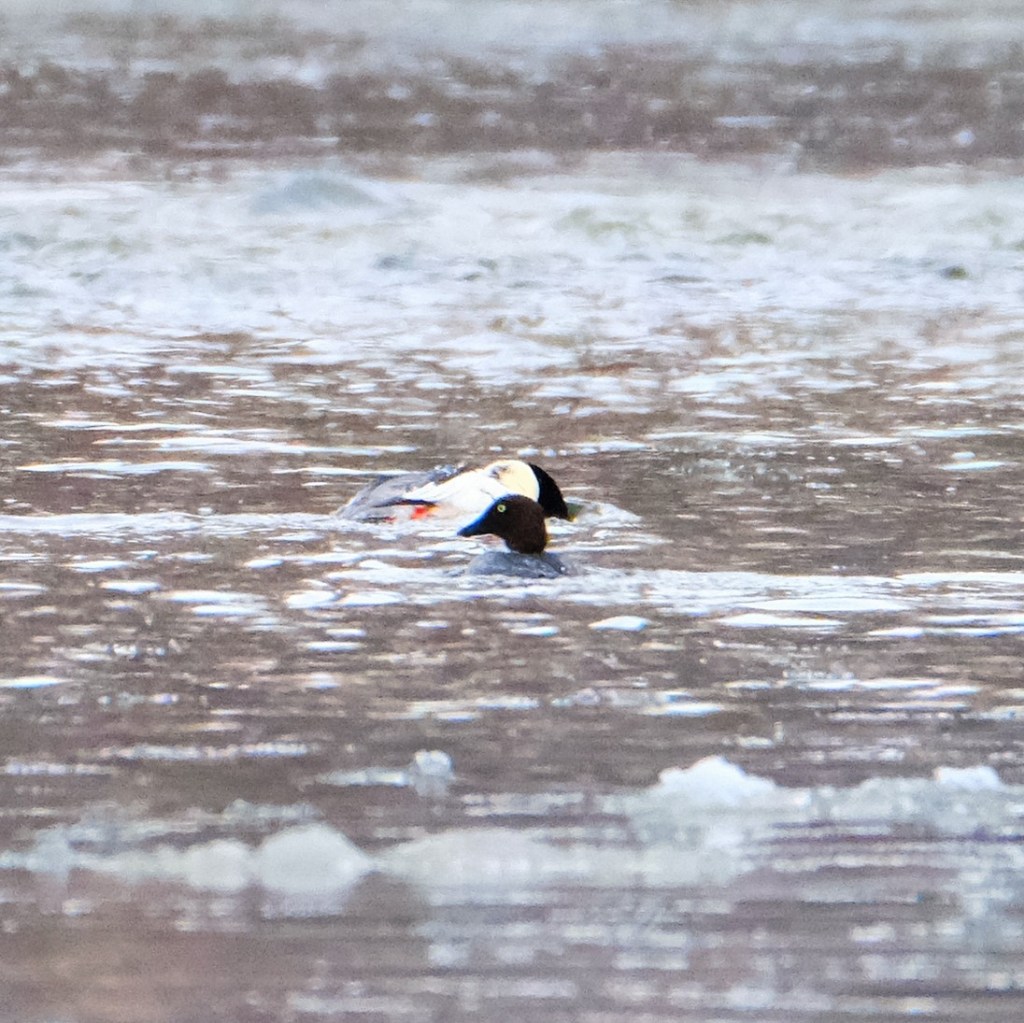
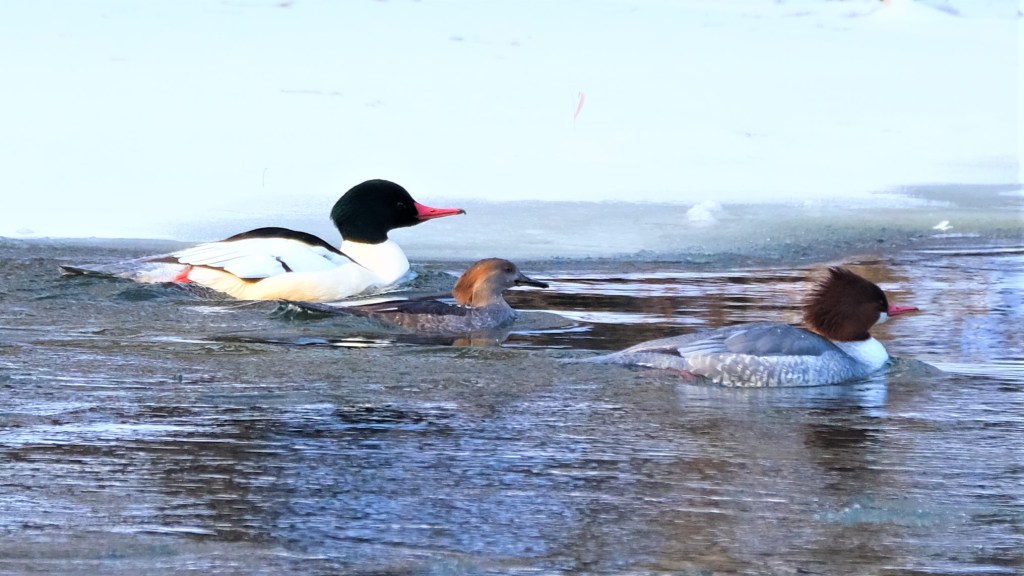
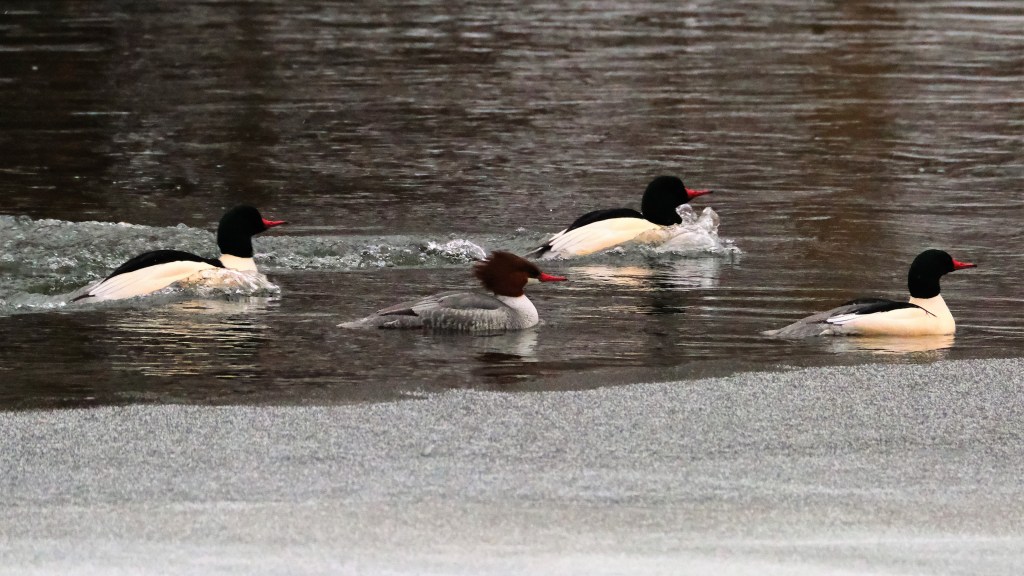
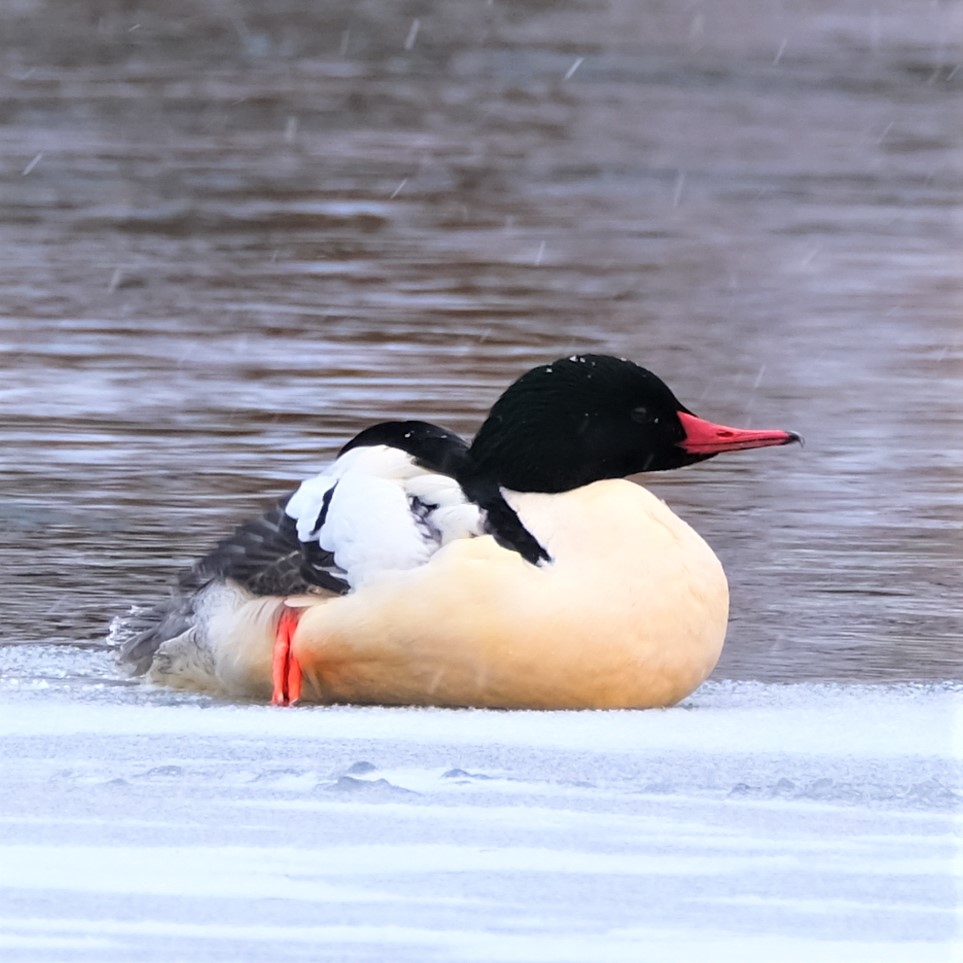
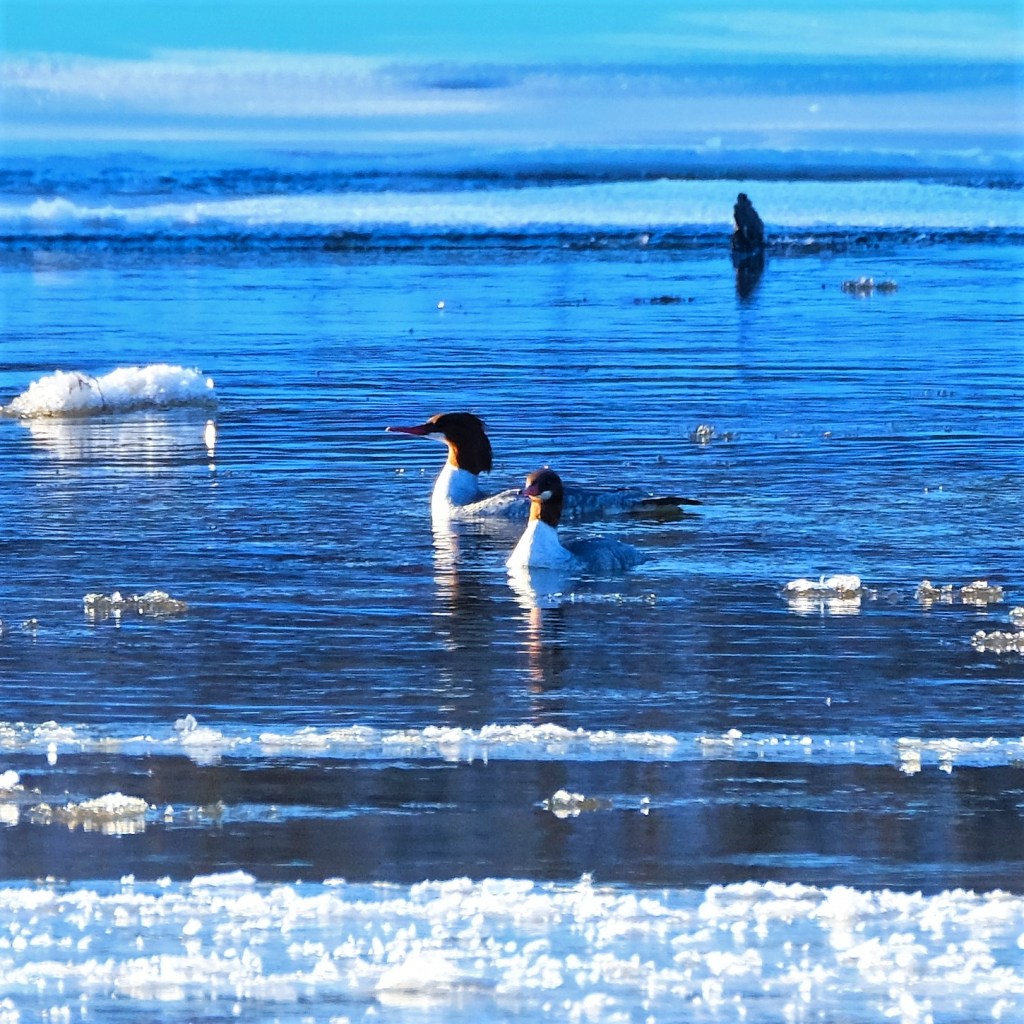
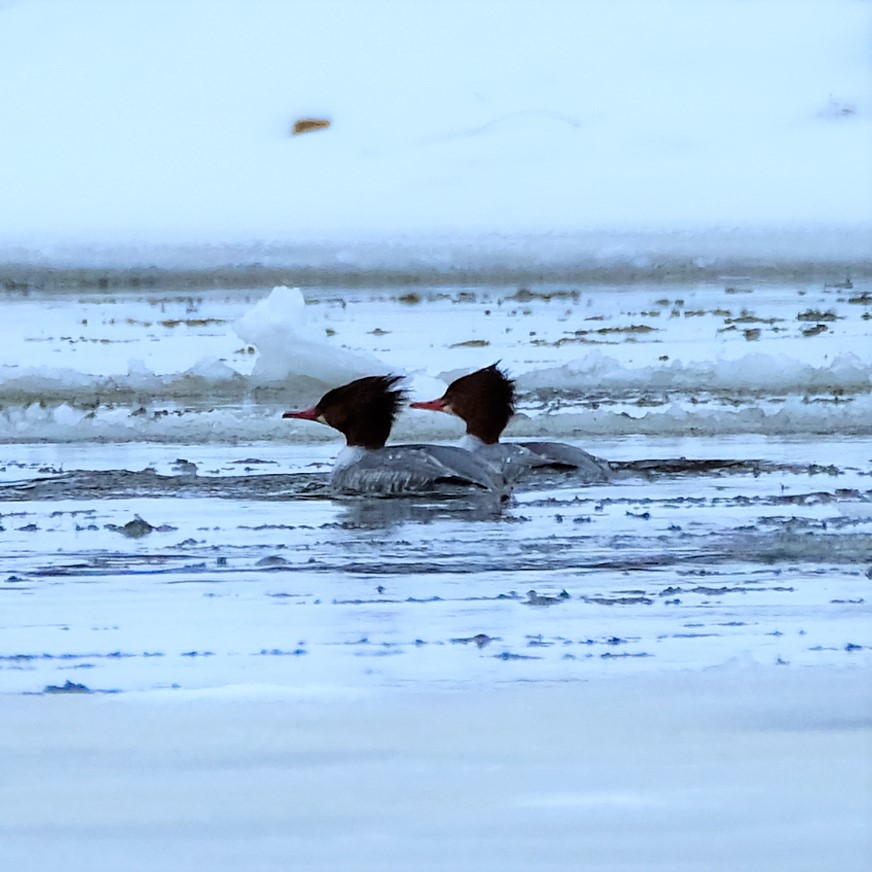
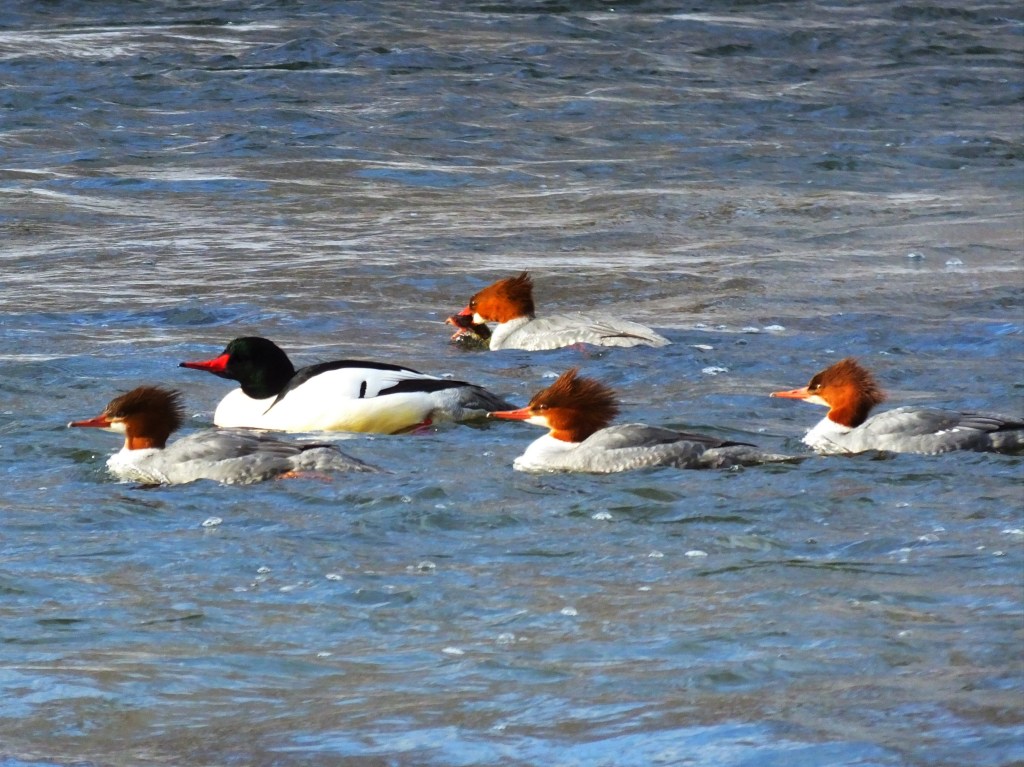
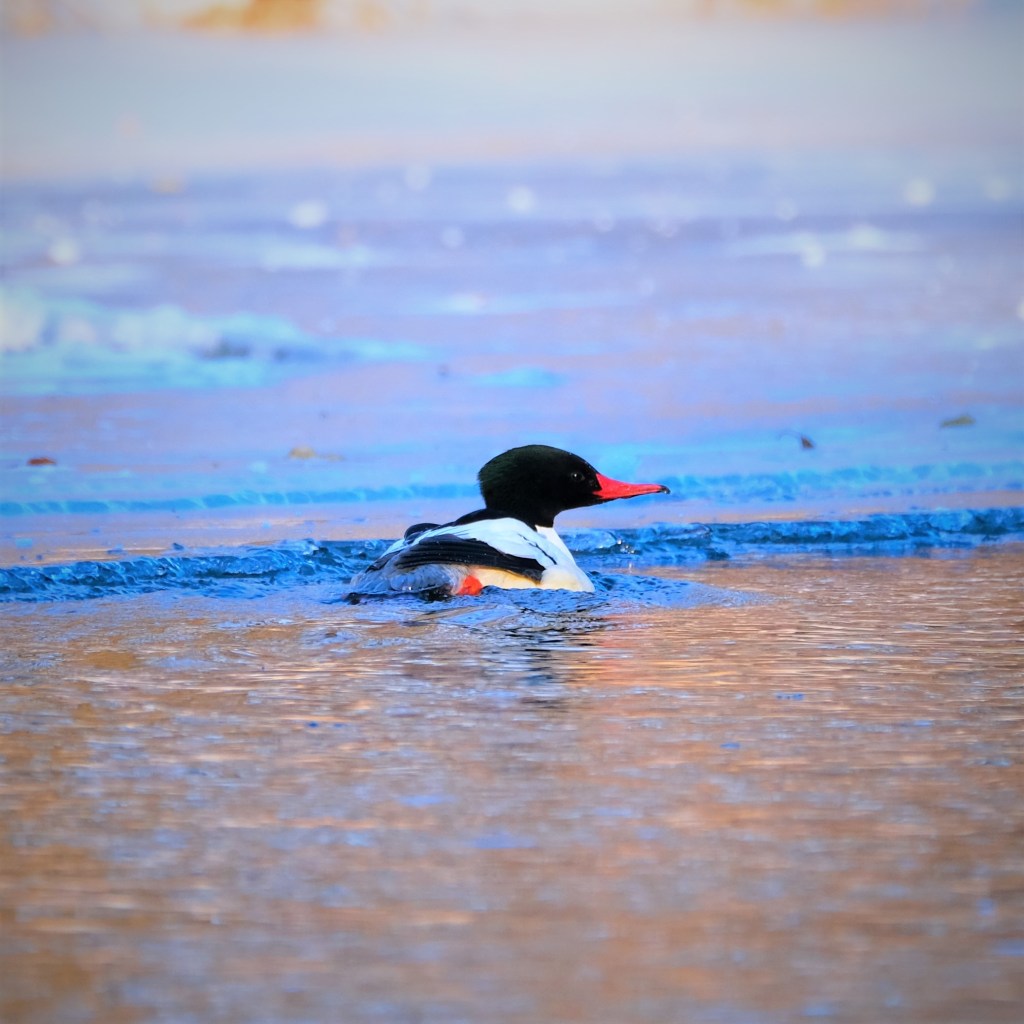
A bit farther south, there was a common merganser drake fishing all by his lonesome. I had seen two pair at the south end when I started, but there wasn’t much light yet, and I thought I’d have a better opportunity later. I thought wrong this time, however.
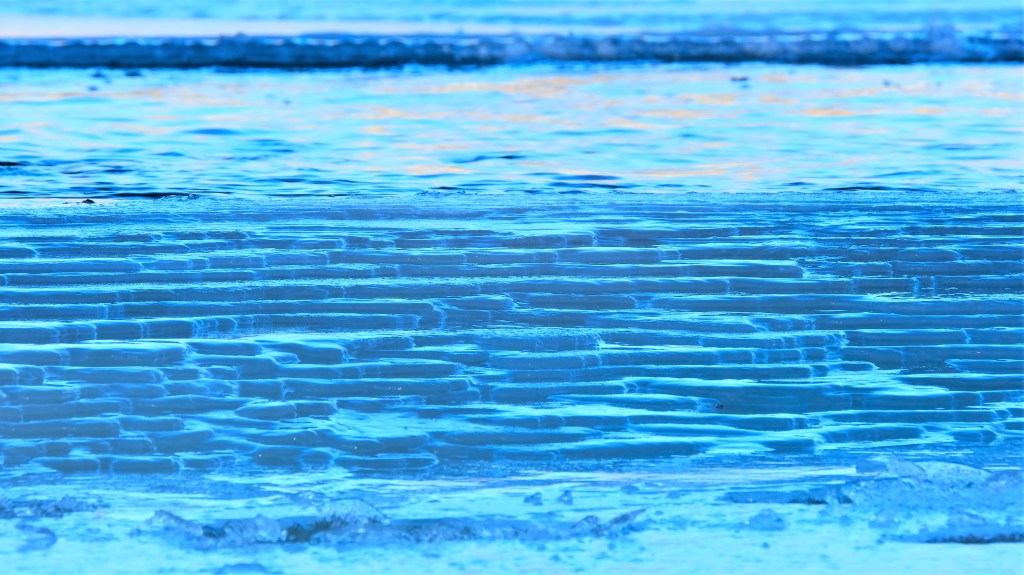
Instead, near the south end, just about where the rapids peter out, I spotted this amazing phenomenon. The ice has slowly built up in layers to create a dike at least a foot tall to hold back the running water.
Finally, since I took so few pictures today, I can at last show you the amazing shots long-time reader, Lisa, who also pointed out the pair of great horned owls a while back, has sent in. On December 20, before all the ice and snow came, she spotted a swan, I kid you not, on the Milwaukee River near the southern island at the north end of Estabrook Park, and here’s the evidence.

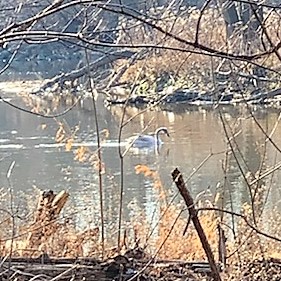
It’s bill certainly doesn’t look yellow, but it’s not quite black either, nor are the feathers particularly white, which suggests it is either a juvenile trumpeter swan or juvenile tundra (aka whistling) swan. Lisa only had her phone with her, so we don’t have enough resolution to see if it has pink at the base of its bill, which would confirm it to be a tundra juvenile.
A look at their range maps, however, suggests that it is either a migrating tundra swan or a vagrant trumpeter swan. In any case, it is one fantastic find. Thank you, Lisa!